The Evolving Landscape of Home Energy Storage
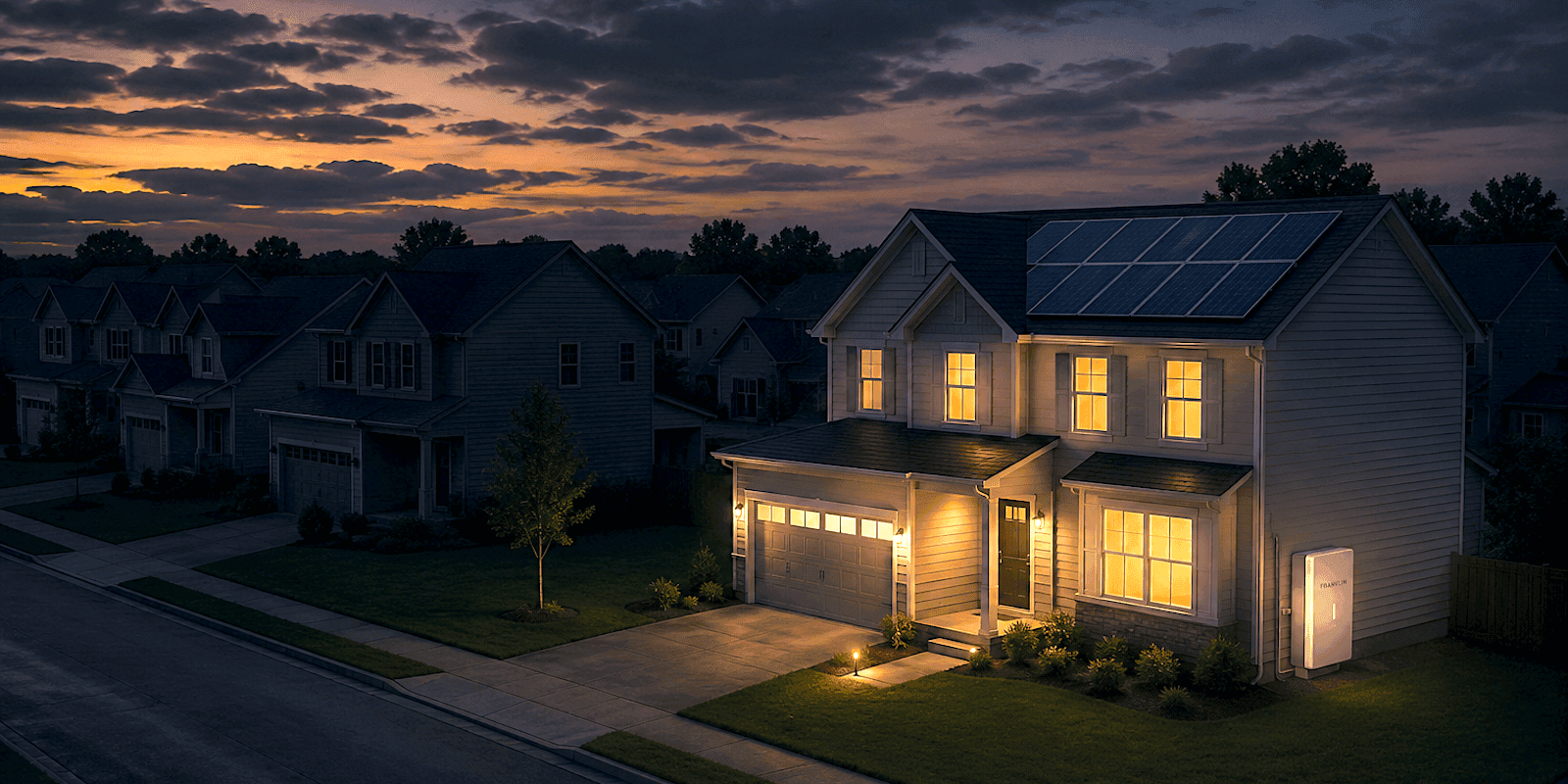
For homeowners looking to achieve energy independence or safeguard against grid instability, the residential battery market has moved well beyond a single-brand monopoly. Modern energy storage solutions now prioritize modularity, chemical stability, and seamless integration with existing solar arrays, offering compelling alternatives to the market-dominant Powerwall.
As consumer demand for reliable backup power grows, manufacturers are focusing on lifecycles and inverter efficiency. The current generation of lithium iron phosphate (LFP) batteries provides a significantly safer and more durable profile compared to traditional cobalt-based chemistries, ensuring these units can handle thousands of charge cycles without substantial degradation.
Why it Matters
- Grid Independence: Advanced management systems allow for peak shaving and arbitrage, reducing reliance on utility-priced electricity during expensive hours.
- Safety Standards: Newer chemistry variants reduce thermal runaway risks, making indoor installation viable for a wider range of home layouts.
- Smart Integration: Modern systems now offer sophisticated mobile dashboards that provide real-time data on consumption, solar generation, and backup duration.
Key Market Considerations
When selecting a residential battery, prospective buyers should look closely at round-trip efficiency—the percentage of energy retained after charging and discharging. High-end systems now consistently exceed 95% efficiency. Furthermore, stackability is a critical feature; modular systems allow households to start with a modest capacity and expand their storage as their electrical needs grow or as they add more solar panels to their roof.
The shift toward decentralized energy means that software support is just as important as the physical hardware. The best systems now feature robust firmware that updates over the air, ensuring that battery management protocols stay optimized for the latest utility grid regulations. As the sector matures, the focus is shifting from simply storing power to creating an intelligent energy ecosystem that actively lowers homeowner utility bills and ensures continuity during outages.