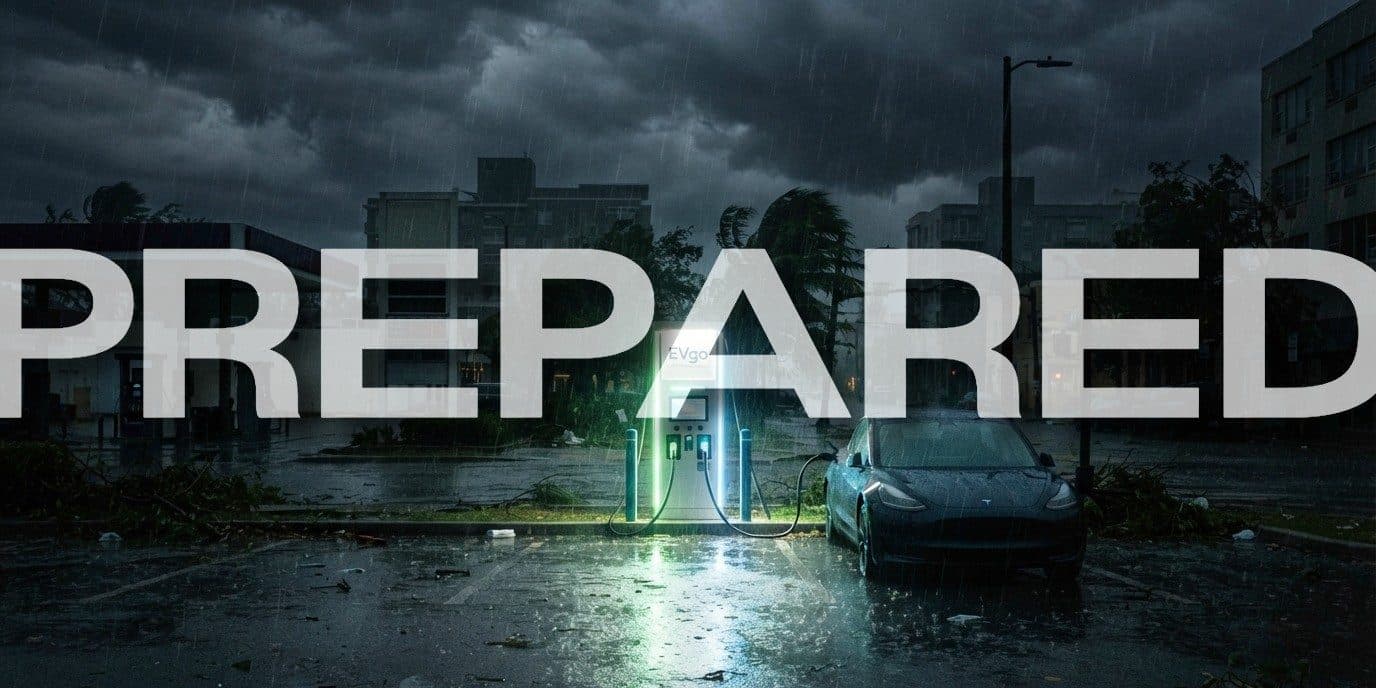
The Emergence of the EV as a Lifeline
As extreme weather events become increasingly frequent, the role of the personal vehicle is undergoing a radical shift. Once viewed primarily as a mode of transport, the modern electric vehicle (EV) is now being touted as a critical asset for emergency preparedness. Recent experiences from hurricane-hit regions in Georgia demonstrate that an EV is essentially a massive, mobile battery that can sustain essential household systems when the grid fails.
Why It Matters: V2L and Emergency Power
The primary advantage of using an EV during a natural disaster is the Vehicle-to-Load (V2L) capability found in models like the Tesla Cybertruck. Unlike internal combustion engine vehicles, which require constant fuel and produce toxic exhaust, EVs can run high-capacity appliances—such as refrigerators, medical equipment, and lighting—silently for days. This independence from the public power grid transforms the vehicle into a centralized survival hub for families facing extended outages.
The Market Shift: A Surge in Value
Interestingly, this shift in perception is impacting the secondary market. Following recent strategic announcements from Tesla regarding the future of the Cybertruck production line, the scarcity of these specialized, high-utility vehicles has caused a notable spike in resale value. Prospective owners are now viewing these trucks not just as luxury tech statements, but as robust, multi-purpose survival tools that can withstand harsh environments and provide critical electricity when infrastructure collapses.
Outlook and Implications
As the conversation around disaster resilience grows, we expect to see more "prepper" demographics embracing EV technology. The ability to charge via off-grid solar arrays while simultaneously powering a home makes the electric truck a self-contained energy ecosystem. For those living in areas prone to grid instability, the investment case for high-capacity electric platforms is becoming increasingly clear: it is about far more than just transportation; it is about self-reliance in an unpredictable climate.