The Engineering Behind the Fathom's Price Point
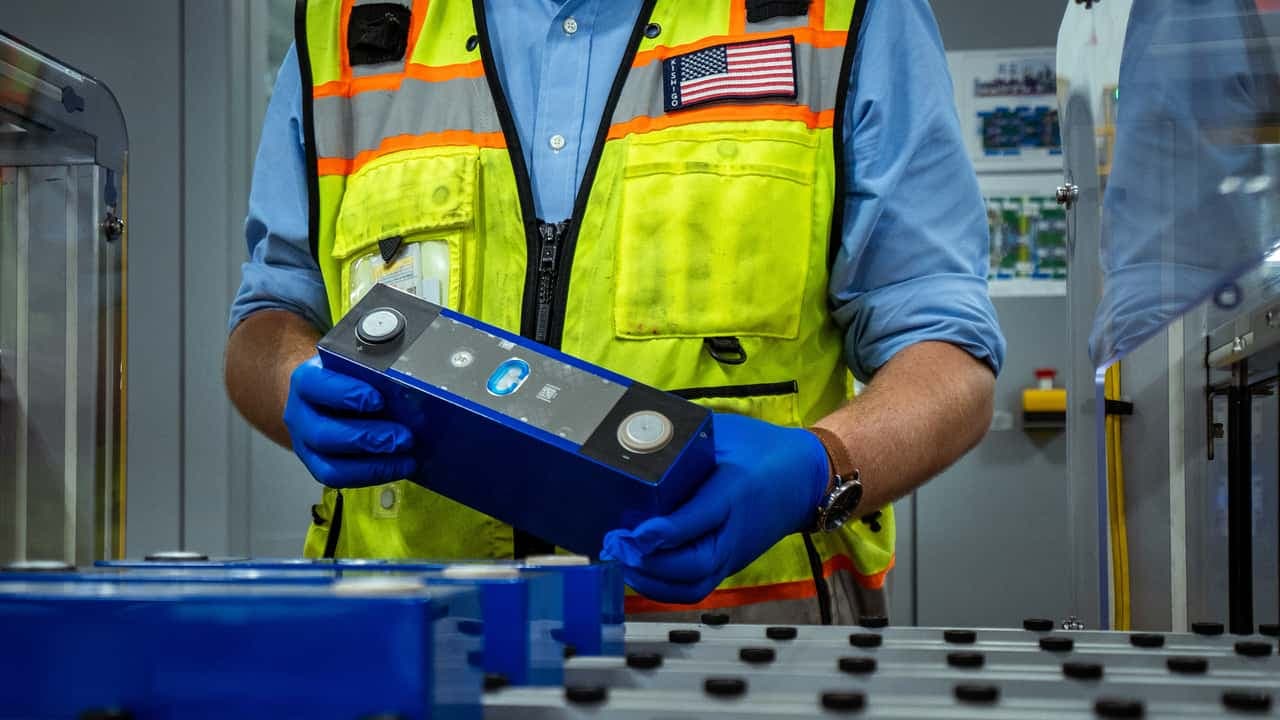
Ford has pulled back the curtain on the battery technology powering its upcoming Fathom electric truck, revealing a strategic shift that could fundamentally change the economics of American EV ownership. By utilizing lithium-iron-phosphate (LFP) chemistry in a prismatic form factor, Ford is targeting a aggressive $29,495 starting price. This technology, while widely utilized in the high-tech EV markets of China, represents a significant departure from the cylindrical nickel-manganese-cobalt (NMC) cells that have historically dominated the U.S. landscape.
Charles Poon, Ford’s vice president of vehicle hardware engineering, highlights that this specific battery configuration is the linchpin for both the vehicle’s cost-efficiency and its driving dynamics. Because LFP cells forgo expensive raw materials like nickel and cobalt, production costs can be reduced by 20% to 30%. However, the innovation goes deeper than just chemical composition; the physical design of the pack itself is integral to the vehicle’s structural integrity and overall handling characteristics.
Structural Efficiency and the Cell-to-Pack Design
The Fathom utilizes a sophisticated cell-to-pack design, which eliminates the traditional modular approach in favor of a more streamlined architecture. By housing the cells directly within the pack, Ford has achieved a 20% increase in packaging efficiency compared to previous generation vehicles like the Mustang Mach-E. This consolidation reduces the total number of components required, simplifying the assembly process and lowering the vehicle's center of gravity.
Crucially, these cells are load-bearing members of the chassis. The battery structure itself manages approximately 60% of the vehicle’s load, with 40% of that force transmitted directly through the cells. This integration creates a remarkably stiff vehicle frame, which Ford engineers claim provides a superior, more responsive driving experience. By utilizing the battery as a structural component rather than a simple passenger, the design team has managed to shed weight while maintaining the durability expected of a truck.
Repairability and Future-Proofing
One of the primary concerns surrounding cell-to-pack technology is long-term serviceability. To mitigate potential issues, Ford has implemented a rigorous testing regimen that includes over 1,400 process controls, extreme temperature simulations ranging from -40 to 60 degrees Celsius, and extensive crash testing. This ensures that despite the integrated nature of the cells, the pack is built to withstand the rigors of real-world use over the vehicle's lifespan.
Recognizing the need for practical maintenance, Ford has innovated in the placement of critical electronics. Unlike many current EV designs that house electronics in a 'penthouse' assembly atop the pack, the Fathom features rear-mounted electronics. This design choice serves two purposes: it keeps the floor of the pack entirely flat to maximize internal cabin space and ensures that repair technicians can access or replace the electronics without having to lower or dismantle the entire battery assembly, effectively balancing structural integration with service accessibility.
Why it Matters
- Cost Accessibility: The move to LFP chemistry significantly lowers the entry barrier for consumers, making a sub-$30,000 electric truck a viable market reality.
- Manufacturing Simplification: Fewer components mean faster assembly lines and a more streamlined supply chain, both of which are critical for scaling EV production.
- Structural Innovation: The use of cells as a load-bearing chassis component suggests a new frontier in vehicle weight reduction and handling, proving that affordability does not have to come at the expense of engineering sophistication.