Strategic Testing Across Europe
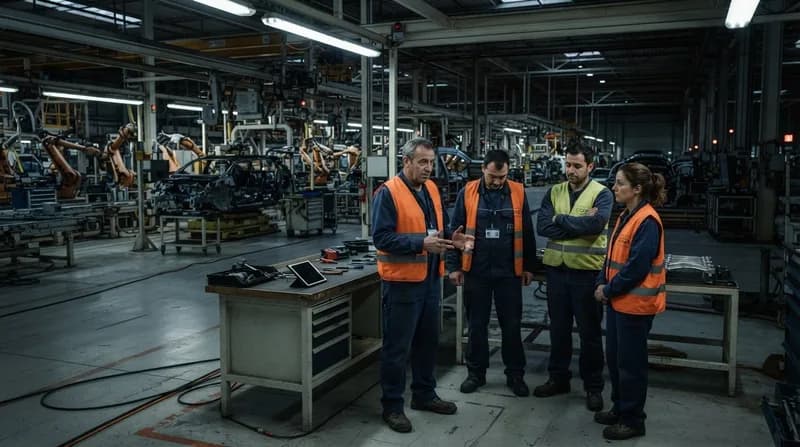
Xiaomi is methodically paving the way for its European debut in 2027, recently confirming a wide-reaching testing program across four key nations: Germany, Italy, Spain, and Sweden. The company has designated seven specialized sites to conduct these evaluations, focusing on critical performance metrics including high-speed stability, cold-weather reliability, and advanced vehicle functionality. This move signifies a shift from conceptual planning to physical verification, as the brand looks to adapt its high-performance DNA to the unique demands of European roads.
The testing scope is geographically diverse, ranging from the extreme winter conditions of Arjeplog, Sweden, to the legendary asphalt of the Nürburgring in Germany. By utilizing the Nürburgring, where Xiaomi has already validated the prowess of its SU7 Ultra and YU7 GT models, the manufacturer is signaling an intent to compete directly with established performance-oriented European marques. This data-driven approach is essential for a market as mature and demanding as the European Union.
The Germany Connection
Germany stands as the cornerstone of Xiaomi’s European export strategy. The company has already established a dedicated international division led by Vice President Yu Liguo, ensuring that the brand’s expansion is tightly integrated with its leadership at the highest levels. Furthermore, Xiaomi is leaning on its existing R&D center in Munich to bridge the gap between Chinese engineering and European consumer preferences.
Commercial groundwork is also well underway. During the recent IFA Berlin event, Xiaomi formalized its commitment by signing letters of intent with eight significant German dealer groups, including major players like Emil Frey Germany, LUEG, and Ernst Dello. While the specific models for the EU remain unconfirmed, industry expectations point toward the flagship SU7 sedan alongside the YU7 SUV and its performance-focused YU7 GT variant. The brand is also slated to showcase its capabilities at the prestigious IAA Mobility event in Munich in September 2027.
Financial Context and Market Outlook
While the momentum for the 2027 launch is building, Xiaomi’s path to profitability remains complex. The company’s Q3 2026 financial report revealed an increase in operating losses for its vehicle and AI division, which climbed to 3.4 billion yuan. This rise in spending is largely attributed to the heavy investment required for R&D, new model development, and the logistical scaling of its export infrastructure. Despite a temporary dip in quarterly revenue, the launch of new range-extender SUVs, specifically the Skynomad N70 and N90, has provided a significant boost to sales volume.
Why it matters: Xiaomi’s entry into the EU will be a critical litmus test for Chinese electric vehicle manufacturers facing a new reality of 45.3% countervailing tariffs. The brand’s success will depend on its ability to leverage its tech-first reputation and high-performance hardware to justify its premium standing in a competitive, tariff-heavy environment.