The Anatomy of an Extreme Range Test
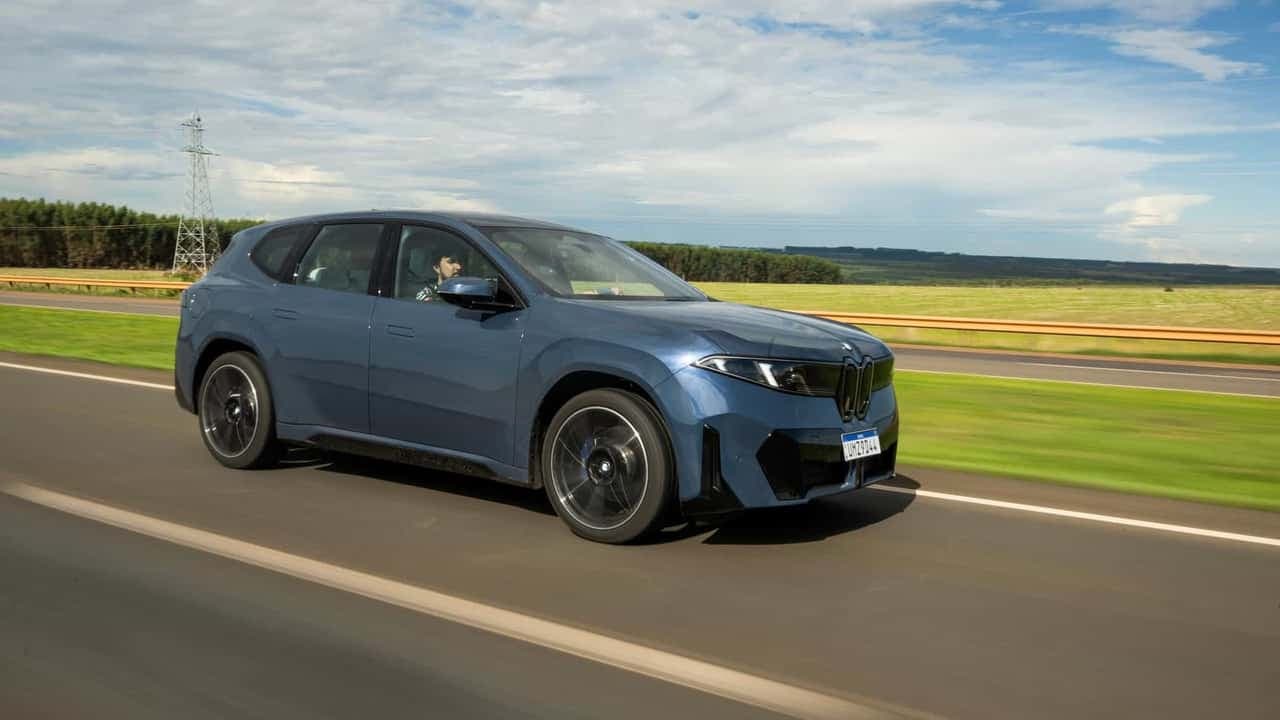
In a bold display of engineering capability, BMW Brazil recently pushed a standard iX3 to its absolute limit, successfully covering 631 miles (1,016 kilometers) on a single battery charge. The journey, which spanned from Brasília to São Paulo, significantly outperformed the vehicle’s official EPA-rated range of 434 miles. By demonstrating the vehicle's potential in a controlled environment, BMW highlighted the inherent efficiency of its latest Neue Klasse-based architecture, even if the methodology requires a level of patience that few drivers would find practical in daily life.
The Methodology: Efficiency Over Pace
To achieve this impressive milestone, the team focused on extreme energy conservation. The drivers maintained a consistent, low-speed pace, generally fluctuating between 37 and 43 mph, with brief bursts up to 56 mph when traffic allowed. By utilizing the vehicle’s dedicated "Max Range" mode—which optimizes thermal management and restricts power output—the team minimized energy waste while bypassing busy highways and steep topography that typically sap battery reserves.
The efficiency metrics were staggering for such a large SUV. At the conclusion of the 17-hour and 30-minute ordeal, the onboard computer reported an average energy consumption of 17.6 kWh per 100 miles. For comparison, a standard commute would see this number jump significantly. The team meticulously timed their arrival to avoid the grueling São Paulo rush hour, ensuring the vehicle remained in its most efficient operating window until the very last mile.
Why It Matters: Contextualizing the Results
While the 631-mile figure is a triumph for electric drivetrain efficiency, it serves as an educational tool rather than a standard operational guide. Here is why this test provides valuable insight into the future of electric mobility:
- Battery Headroom: The iX3 managed to reach 538 miles with 15% battery remaining, proving that high-capacity cells, such as the 112-kWh pack found in the U.S. model, have substantial endurance when managed correctly.
- Charging Infrastructure vs. Range: The test highlights that while "range anxiety" can be mitigated by hypermiling, the iX3’s true power lies in its rapid-charging architecture. Capable of accepting charge rates up to 400 kW, the vehicle can recover 10-to-80% of its battery in just 21 minutes, which is arguably more impactful for the average consumer than a 17-hour driving stint.
- Neue Klasse Potential: This achievement signals that BMW’s new platform is highly optimized for aerodynamics and power distribution, setting a strong foundation for future vehicles in the Neue Klasse lineup.
Outlook and Implications
BMW’s demonstration proves that the modern electric SUV is capable of extraordinary feats when efficiency is the sole objective. However, the result underscores the reality of current EV technology: to extract maximum range, one must sacrifice velocity. As battery density improves and charging networks expand, the industry is moving toward a future where the need for such extreme range-stretching techniques becomes obsolete, allowing drivers to rely on the vehicle's high-speed charging capabilities rather than slow, deliberate driving to bridge the distance between cities.