Decoding the Fear Circuit
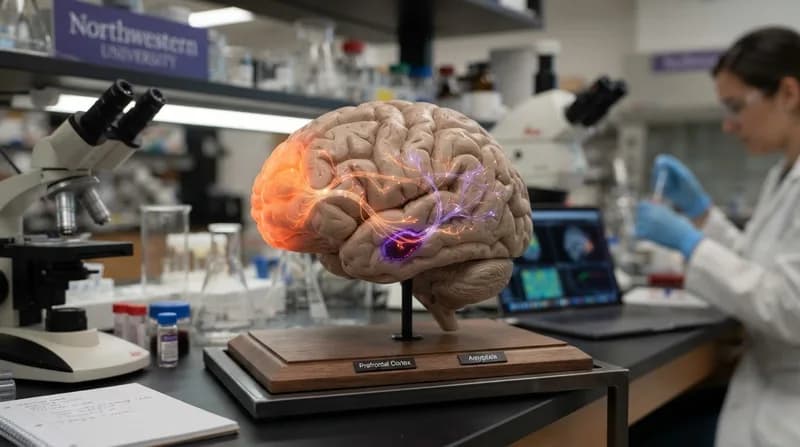
For decades, the dual nature of cannabis—its ability to induce relaxation for some and paralyzing anxiety for others—has remained a neurological enigma. Now, a groundbreaking study from Northwestern University has shed light on this phenomenon, identifying a precise cluster of neurons in the central amygdala that act as the epicenter for cannabis-induced anxiety. By focusing on how cannabinoids interact with the brain's stress-processing centers, scientists have finally mapped the transition from a calm state to a high-anxiety response.
The research, published in Nature Communications, utilized a mouse model to observe the behavioral shift following exposure to cannabinoids. When presented with a threatening stimulus, specifically the scent of predator urine, mice treated with synthetic cannabinoids exhibited heightened levels of distress, characterized by freezing behaviors and a marked reduction in their natural investigative curiosity. This suggests that the presence of cannabinoids significantly amplifies the brain's baseline perception of environmental danger.
The Role of Somatostatin Neurons
At the heart of these findings are somatostatin neurons. These cells reside within the central amygdala, a brain region long associated with emotional regulation, fear, and the orchestration of stress responses. The team discovered that under normal conditions, the brain maintains a natural 'brake' on these specific neurons, keeping anxiety levels in check. However, the introduction of cannabinoids—especially under stressful conditions—effectively releases this brake.
To confirm this discovery, the researchers employed genetic silencing techniques to deactivate these somatostatin neurons in the test subjects. Once these specific cells were inhibited, the drugged mice no longer exhibited the same heightened avoidance or freezing responses when faced with the predator scent. This breakthrough essentially confirms that these neurons are the primary drivers of the anxious state associated with cannabinoid exposure, providing a target for potential future treatments.
Why it Matters
- Rising Usage Trends: With cannabis consumption increasing globally, understanding the physiological basis for adverse events like panic attacks is essential for public health and emergency preparedness.
- Dual-Factor Triggers: The study highlights a synergistic effect: high doses of cannabinoids combined with an inherently stressful environment create a 'perfect storm' for anxiety, explaining why individual experiences with the drug can vary so wildly.
- Therapeutic Potential: The identification of a 'final pathway' for anxiety—the somatostatin neurons—offers a promising target for pharmaceutical or behavioral interventions that could help mitigate anxiety disorders far beyond the scope of cannabis-induced side effects.
Future Implications for Psychiatry
Beyond the immediate implications for cannabis users, this research opens doors for a broader understanding of psychiatric health. If the activity of somatostatin neurons serves as a fundamental bottleneck for anxiety in the human brain, regulating these cells could offer a revolutionary approach to treating general anxiety disorders, panic disorders, and PTSD. By identifying the exact neural circuitry involved, researchers have moved closer to a future where we can treat anxiety with the precision of a surgical instrument rather than broad-spectrum systemic drugs.
The research team, led by Dr. Sachin Patel, is now looking toward how these neural pathways can be modulated safely. As our understanding of the central amygdala matures, the goal remains to develop clinical strategies that can restore the brain's natural 'brake' on stress, ensuring that the potential medicinal benefits of various compounds can be utilized without the unintended and often debilitating psychological drawbacks.