A New Frontier in Gynecological Oncology
For decades, women undergoing surgical treatment for vulvar cancer have faced a difficult trade-off between survival and long-term quality of life. In many cases, tumors located near the clitoris necessitated the removal of sensitive tissue, after which the wound was traditionally closed without specialized reconstruction. This often resulted in a loss of sexual function and sensation. However, a pioneering surgical team at Radboud University Medical Center (Radboudumc) has finally closed this significant gap in medical care, introducing a new clitoral reconstruction technique that mirrors advancements long available in penile surgery.
Led by gynecologic oncologist Mieke ten Eikelder and plastic surgeon Tim Nijhuis, the medical team has moved beyond the status quo of simply closing surgical sites. Their innovative approach focuses on the preservation and restoration of nerve pathways and sensory tissue, ensuring that patients do not have to sacrifice their sexual health in the process of cancer treatment. This development marks a long-overdue evolution in gynecological oncology, coming nearly 40 years after the first successful penile reconstruction procedures became standardized.
The Surgical Technique and Patient Outcomes
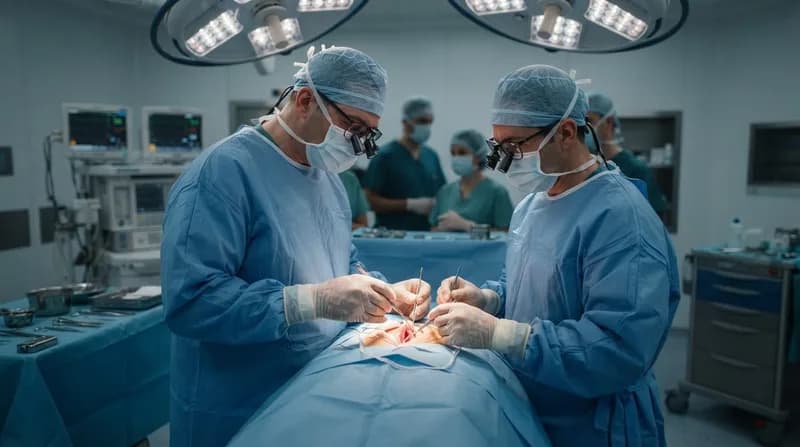
The core of the procedure involves a meticulous approach to tissue management. Following the removal of the malignant tumor, the surgeons carefully isolate and reposition the patient’s existing nerve bundles to form a functional clitoral tip. To restore the natural mucosal surface, the team utilizes a small graft of buccal mucosa—the same type of lining found in the mouth—which closely replicates the physiological properties of the tissue naturally found in the vulvar area.
The efficacy of this intervention is supported by promising initial results. Among the first 23 patients to undergo the reconstruction, an impressive 90% reported the ability to achieve a clitoral orgasm within three to six months post-operation. While clinicians note that sensation can fluctuate in the immediate aftermath of the surgery, patient recovery typically stabilizes within one year, with many returning to sensory levels comparable to their pre-cancer state. The reconstruction is also remarkably efficient, adding only about 15 minutes of operating time to the primary cancer surgery, making it a viable and low-risk addition to standard oncology protocols.
Broader Implications and Clinical Outlook
Beyond the treatment of vulvar cancer, the potential applications for this technique are extensive, with researchers suggesting it could provide significant benefits for survivors of genital mutilation. Recognizing the potential for global impact, the team at Radboudumc is currently leading a nationwide research program to train specialists across eight additional hospitals in the Netherlands. By expanding the training to international medical centers, the team aims to establish this procedure as a standard of care rather than an elective novelty.
The current phase of the project involves longitudinal studies to quantify improvements in overall quality of life and sexual satisfaction. As the medical community moves forward, the focus will remain on safely integrating this technique into daily clinical practice. By prioritizing functional recovery alongside oncological success, this development represents a vital shift in how modern medicine addresses the holistic needs of women recovering from life-altering diagnoses.