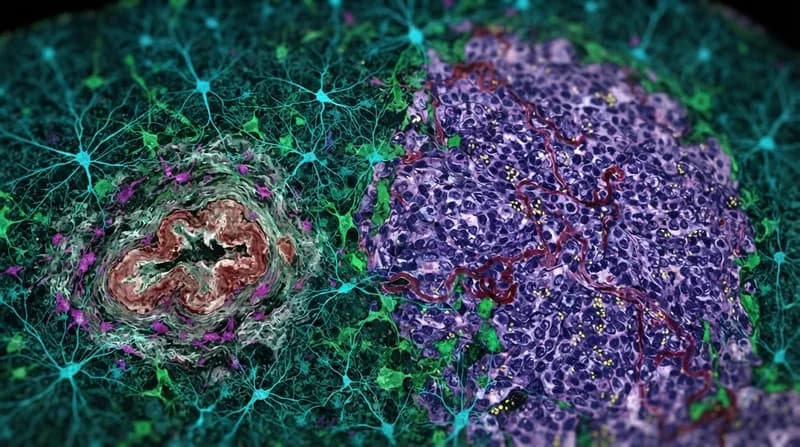
The Connection Between Injury and Malignancy
For years, clinicians have observed a troubling epidemiological trend: patients with a history of stroke or traumatic brain injury appear to face a significantly higher risk of developing brain tumors. In some cohorts, this risk is estimated to be three to seven times higher than in the general population. While this correlation has been noted in medical literature for some time, the underlying biological mechanisms that transform a site of injury into an environment hospitable to cancer have remained largely mysterious.
A recent study published in Nature Cancer by researchers at the Texas Children's Duncan Neurological Research Institute and Baylor College of Medicine has finally begun to map this path. By utilizing both human and mouse models, the team successfully demonstrated that a stroke doesn't just damage brain tissue; it fundamentally remodels the local environment, creating a sanctuary that attracts and accelerates the infiltration of gliomas—the most prevalent and aggressive form of malignant brain tumor in adults.
The Role of Tumor-Associated Astrocytes
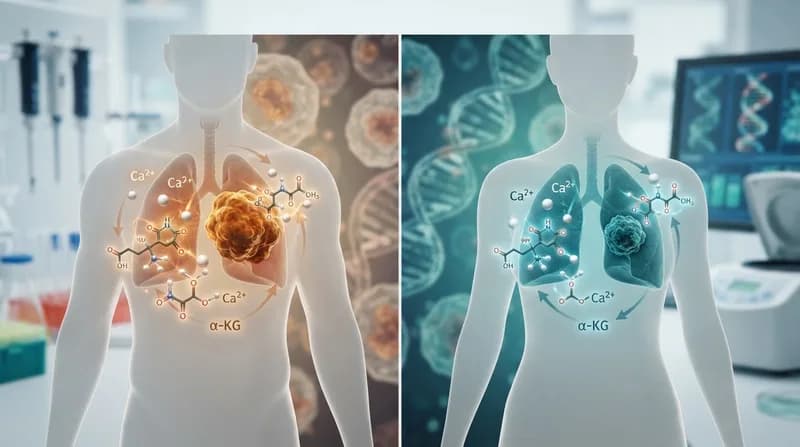
The research team, led by Dr. Hyun Kyoung Lee, pinpointed specific cellular actors driving this process. The study highlights the emergence of a unique population of cells known as tumor-associated astrocytes (TAAs). These cells undergo significant physiological changes following a stroke, most notably a marked reduction in calcium signaling activity. This shift in behavior makes the area around the stroke injury a fertile ground for tumor growth.
Furthermore, these altered astrocytes do not work alone. Their presence is accompanied by a recruitment of remodeled microglia and immune cells known as tumor-associated macrophages (TAMs). Together, this cellular trio creates a hostile, tumor-promoting microenvironment that significantly reduces patient survival rates by fostering deeper tumor penetration into the damaged regions of the brain.
Why it Matters
- Therapeutic Targets: The identification of TAAs and TAMs as mediators provides clear targets for future drug development aimed at curbing tumor progression in stroke survivors.
- Shift in Perspective: The findings emphasize that cancer growth is not just about the tumor cells themselves, but also the broader cellular dialogue happening within the brain.
- Preventative Strategy: Understanding these pathways may eventually lead to interventions designed to lower the risk of malignancy in patients recovering from severe neurological trauma.
Future Implications for Neuro-Oncology
The discovery that astrocytes—often viewed as support cells in the brain—play a proactive role in communicating with and influencing the behavior of cancer cells represents a shift in current oncological understanding. While previous studies have focused heavily on neuron-tumor interactions, this new research argues that astrocytes must be considered central players in the study of tumor mechanisms. By successfully suppressing stroke-induced glioma progression in experimental models through the restoration of calcium signaling, the researchers have provided a hopeful roadmap for future therapies that could potentially decouple the dangerous relationship between brain injury and cancer.