The BNL Newspaper Archive
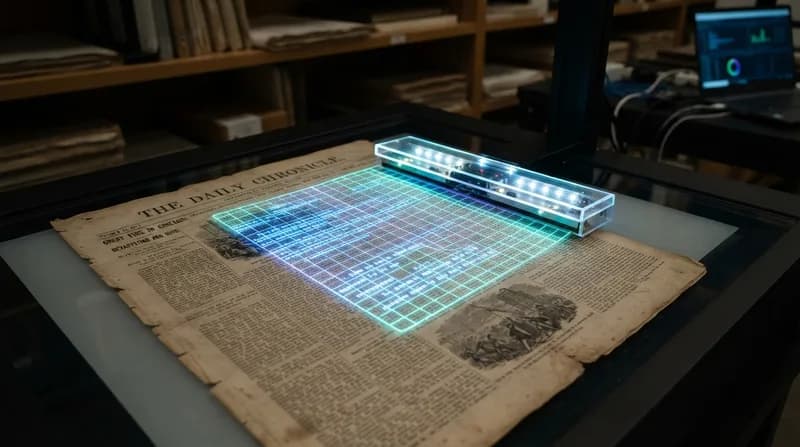
Hugging Face has introduced a significant new resource for researchers: the biglam/bnl_newspapers1841-1879 dataset. This expansive collection archives thousands of historical newspapers spanning nearly four decades, offering a window into the socio-political climate and linguistic patterns of the mid-to-late 19th century. By making this primary source material machine-readable, the platform is enabling developers to conduct deeper analysis on how historical narratives are encoded into modern digital archives.
The release is part of a broader push to encourage transparency regarding bias in machine learning. As models are increasingly trained on vast, uncurated swaths of the internet, understanding the roots of systemic bias becomes paramount. This archive serves as a digital sandbox for identifying stereotypes and problematic rhetoric that have persisted from the printing press era into the current age of foundation models.
Why it Matters
Data provenance is becoming the defining challenge for AI safety and ethics. When training large language models on historical documents, the risk of encoding outdated societal prejudices is high. This dataset provides a concrete example of how source material can shape, or potentially distort, model output.
- Historical Context: Facilitates research into how societal biases evolved between 1841 and 1879.
- Model Auditing: Offers a structured environment for testing how AI models interpret archaic or biased language.
- Transparency: Encourages the open-science approach, allowing the community to inspect training data rather than relying on black-box methodologies.
By providing researchers with the tools to scrutinize these texts, Hugging Face is moving beyond simple model performance metrics. The goal is to establish a framework where the datasets that power the next generation of AI are treated with the same rigorous scrutiny as the code itself. This release reminds us that history is never neutral, and when we digitize the past, we must be prepared to confront the biases embedded within the archives of our predecessors.