A Troubling Departure
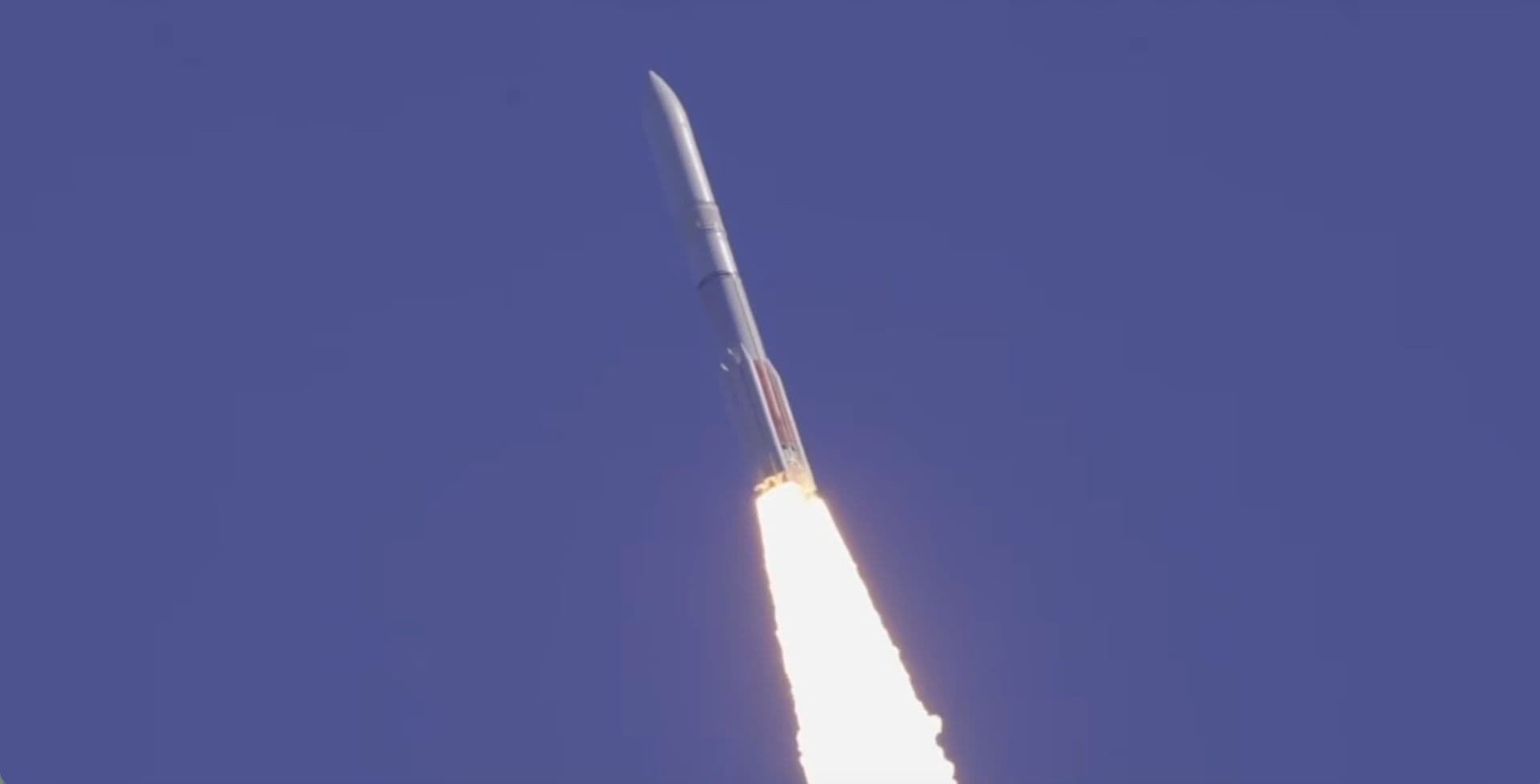
The space industry was dealt a significant blow on November 15, 2026, when a United Launch Alliance (ULA) Vulcan Centaur rocket failed shortly after lifting off from the Cape Canaveral Space Force Station. The mission, which carried 40 satellites for Amazon’s Project Kuiper broadband constellation, ended in a loss of mission after the launch vehicle experienced what officials are calling a significant performance anomaly.
While telemetry was officially lost about 10 minutes into the flight, ULA’s preliminary investigation indicates that the issues began much earlier. According to the company, the vehicle experienced low booster performance almost immediately after liftoff. This lack of thrust resulted in stage separation occurring at an altitude and velocity far below what was required to reach a stable orbit, rendering the mission impossible to recover.
The Shadow of Past Performance
This mission marked the fifth flight for the Vulcan Centaur, a rocket that has been plagued by technical hurdles since its debut in early 2024. Notably, the rocket’s strap-on solid rocket boosters experienced nozzle detachments on two previous flights. While those specific missions successfully reached orbit despite the hardware failures, the U.S. Space Force had previously paused national security launches until ULA implemented design and process improvements to the nozzle assembly. Interestingly, ULA confirmed that for this most recent launch, the solid rocket booster performance appeared nominal, suggesting a new, yet-to-be-determined issue is at play.
Why it Matters
- Commercial Impact: Amazon’s Project Kuiper, a vital competitor to Starlink, relies on a steady cadence of successful launches. Losing 40 satellites is a substantial setback for the company’s goal of launching thousands of broadband units.
- Critical Hardware Scrutiny: The Vulcan’s first stage is powered by Blue Origin’s BE-4 engines. Any mechanical issues identified in these engines could have ripple effects across the entire U.S. launch landscape, given that the BE-4 is also slated to power Blue Origin's heavy-lift New Glenn rocket.
- National Launch Capacity: With the reliable Atlas V nearing retirement and the industry bracing for a shift toward next-generation vehicles like SpaceX’s Starship, the availability of heavy-lift alternatives like the Vulcan is essential to maintaining domestic launch frequency.
The Path Forward
While the first stage booster struggled, ULA reported that the Centaur V upper stage performed nominally during the brief flight. This is a point of silver lining for NASA, which plans to utilize the Centaur V upper stage for the Artemis moon program. However, with both the Vulcan and New Glenn currently sidelined, the American space program faces an impending launch capacity crunch. The investigation into the BE-4 engines and the broader Vulcan architecture will be closely watched by government regulators, Amazon, and Blue Origin alike as the industry pushes to return to flight.