The Shifting Landscape of UK-EU Automotive Relations
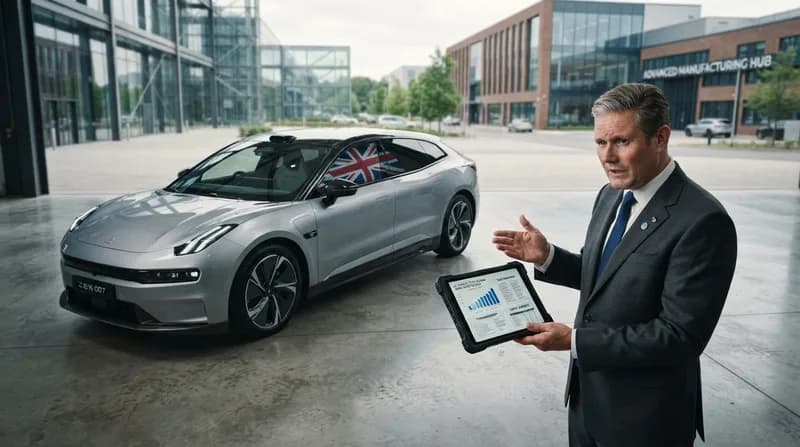
In a strategic move that could redefine the British automotive market, the UK government is reportedly exploring the implementation of special tariffs on Chinese-made electric vehicles. According to recent reports, Economic Secretary Jonathan Reynolds is actively developing a regulatory package aimed at curbing the influx of heavily subsidized Chinese cars. This potential policy shift comes as the UK faces mounting pressure to harmonize its trade stance with the European Union, which has already established significant anti-subsidy duties ranging from 7.8% to 35.3% on Chinese battery-electric passenger cars.
The motivation behind these discussions is not purely protective; it is deeply rooted in the UK’s desire to remain a cornerstone of the European automotive ecosystem. As the EU pushes forward with its Industrial Accelerator Act—an initiative designed to bolster "Made in Europe" clean technology—the UK is eager to be classified as a "trusted partner." By aligning its tariff structure with the EU, the British government hopes to ensure that domestic manufacturers and suppliers retain seamless access to European procurement programs and funding initiatives, effectively treating UK entities as if they were based within the EU bloc.
Why it Matters: The Economic Stakes
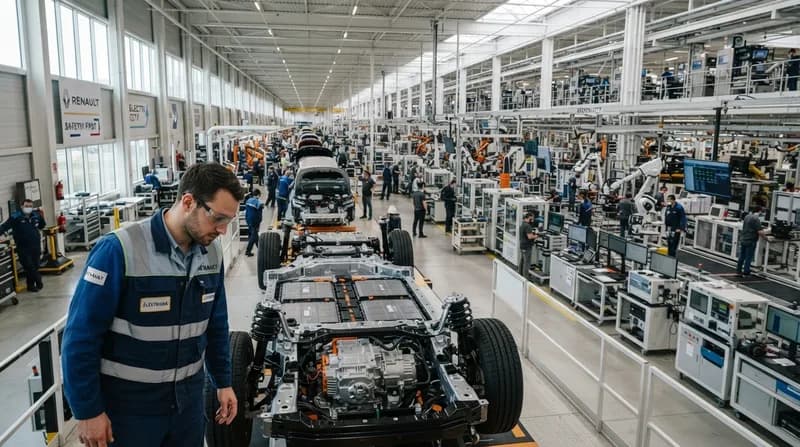
- Supply Chain Integration: The UK automotive sector is intrinsically linked to European manufacturing. Reports indicate that UK car production supports roughly €24 billion in economic activity and 250,000 jobs within the EU annually.
- Market Access: Without aligning with the EU’s "Made in Europe" standards, the UK risks being excluded from future clean-tech funding and favorable public procurement contracts.
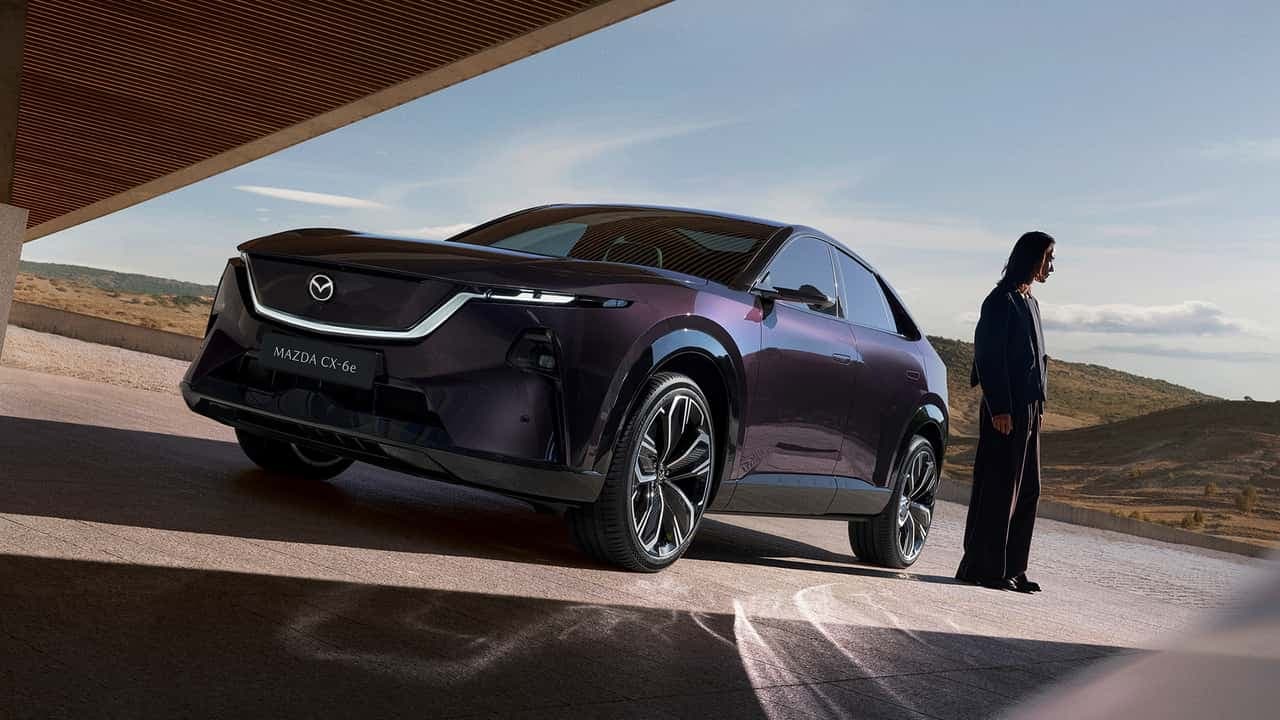
- Competitive Equilibrium: There is widespread concern among regulators that Chinese manufacturers are utilizing aggressive pricing strategies, effectively dumping subsidized vehicles into the UK market to gain a foothold, which currently accounts for 16% of new vehicle registrations in Britain.
The Path Ahead
While the prospect of new tariffs looms, the UK government remains cautious, emphasizing that any decision will be made with the national interest in mind. Officials have stated they are in close consultation with industry leaders to ensure that any potential regulation does not inadvertently harm domestic interests or disrupt supply chains. The balancing act remains precarious: the UK must demonstrate its alignment with EU trade policies to secure "trusted partner" status while simultaneously maintaining a competitive and affordable EV market for British consumers.
For now, no new tariffs have been officially enacted. However, the diplomatic clock is ticking. As the EU continues to prioritize the reduction of external dependencies on non-EU components and finished goods, the UK’s decision to follow suit could be the deciding factor in maintaining its status as a vital, integrated player in the future of European electric mobility.