The Mazda CX-6e: Redefining Vehicle Interaction
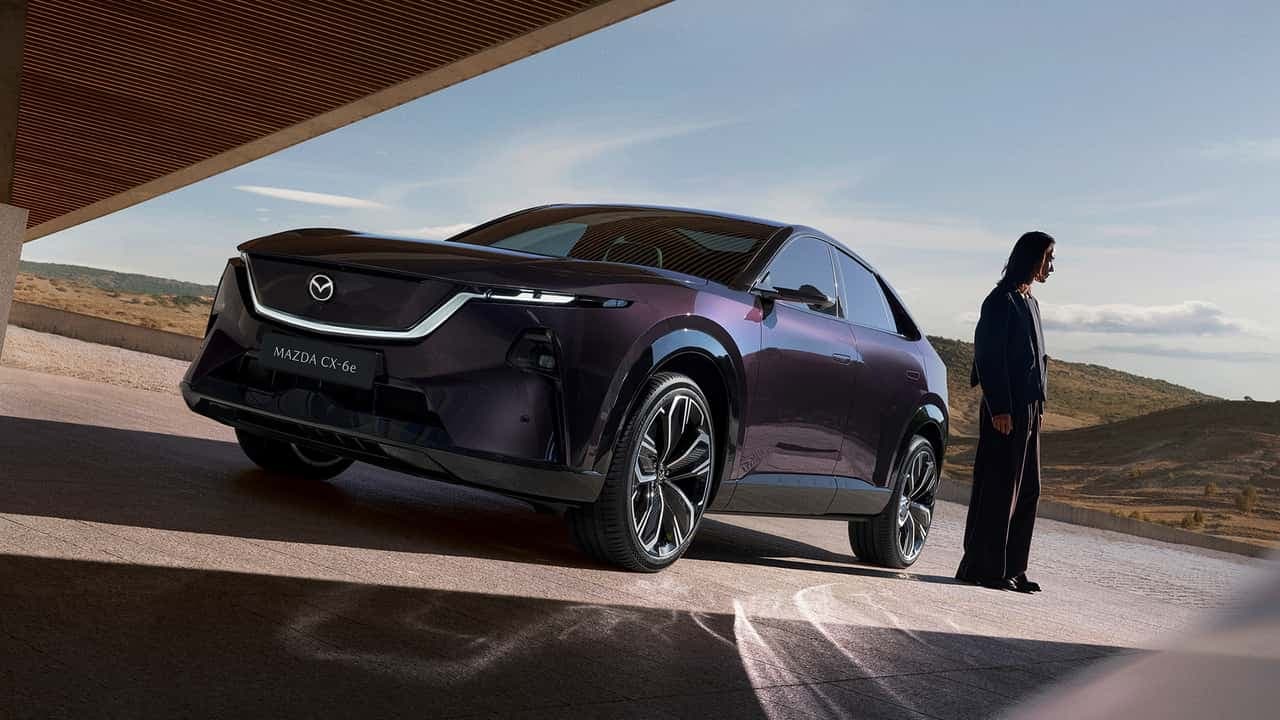
Mazda has officially entered the global electric vehicle arena with the launch of the CX-6e, an all-electric SUV that aims to challenge stalwarts like the Tesla Model Y. While the vehicle boasts a sleek design and competitive performance metrics, it has quickly captured headlines for a feature that is as controversial as it is unique. Derived from technology found in its Chinese-market counterpart, the Deepal S07, the CX-6e comes equipped with an external speaker system that allows the driver to broadcast audio messages directly to the outside world.
The "External Announcement" feature was ostensibly designed with safety and courtesy in mind. Through the vehicle's massive 26.45-inch cabin display, drivers can select pre-recorded, polite audio clips meant to alert pedestrians or remind cyclists to focus on the road. However, the system also allows for custom text input, and in its current iteration, Mazda has neglected to implement a profanity filter. This oversight means the SUV can effectively shout anything the driver types, leading to inevitable, albeit humorous, social implications as the vehicle rolls into public spaces.
Technical Specifications and Performance
Beyond the chatter, the CX-6e is a serious piece of hardware designed to distance the company from the memory of its limited-run MX-30 crossover. The new SUV is built on a robust platform that prioritizes range and charging speed, addressing the primary concerns of modern electric vehicle buyers. It features a 78-kilowatt-hour lithium iron phosphate (LFP) battery pack, which is lauded for its longevity and thermal stability compared to traditional nickel-based alternatives.
In terms of power and efficiency, the vehicle is configured with a rear-wheel-drive powertrain, utilizing a motor that generates 255 horsepower (190 kW). This setup provides a respectable driving experience, hitting up to 300 miles (484 kilometers) of range on the WLTP cycle. Furthermore, the electrical architecture supports fast charging up to 200 kW, ensuring that long-distance travel is as manageable as it is in any other premium EV currently on the market.
Why It Matters
- Communication Hardware: The inclusion of high-fidelity external speakers represents a new frontier in human-machine interface design, potentially evolving how cars interact with their environment.
- Software Oversights: The lack of moderation for custom text inputs serves as a reminder of the challenges automakers face as they transition from hardware-centric manufacturers to software-defined mobility providers.
- Global Strategy: By leveraging partnerships in the Chinese market to bring EVs like the CX-6e to regions such as Australia and Europe, Mazda is signaling a more aggressive, collaborative approach to global electrification than its previous solo efforts.
As Mazda continues to roll out the CX-6e, it is expected that a future over-the-air software update will likely introduce content guardrails for the external speaker system. Until that happens, the SUV remains one of the most expressive vehicles on the road, offering a level of personalization that—intentional or not—is certainly getting everyone's attention.