1. Enhanced Interior and Display Technology
Tesla has officially upgraded the cabin experience for the North American Model 3 lineup by introducing a new 16-inch central infotainment display. This larger screen replaces the previous 15.4-inch unit, offering not only more surface area but also an improved pixel density for sharper visuals. While Tesla has kept specific hardware details under wraps, the new unit appears to be the same high-definition module recently introduced in the Model Y crossover, signaling a move toward design and component unification across their most popular EV models.
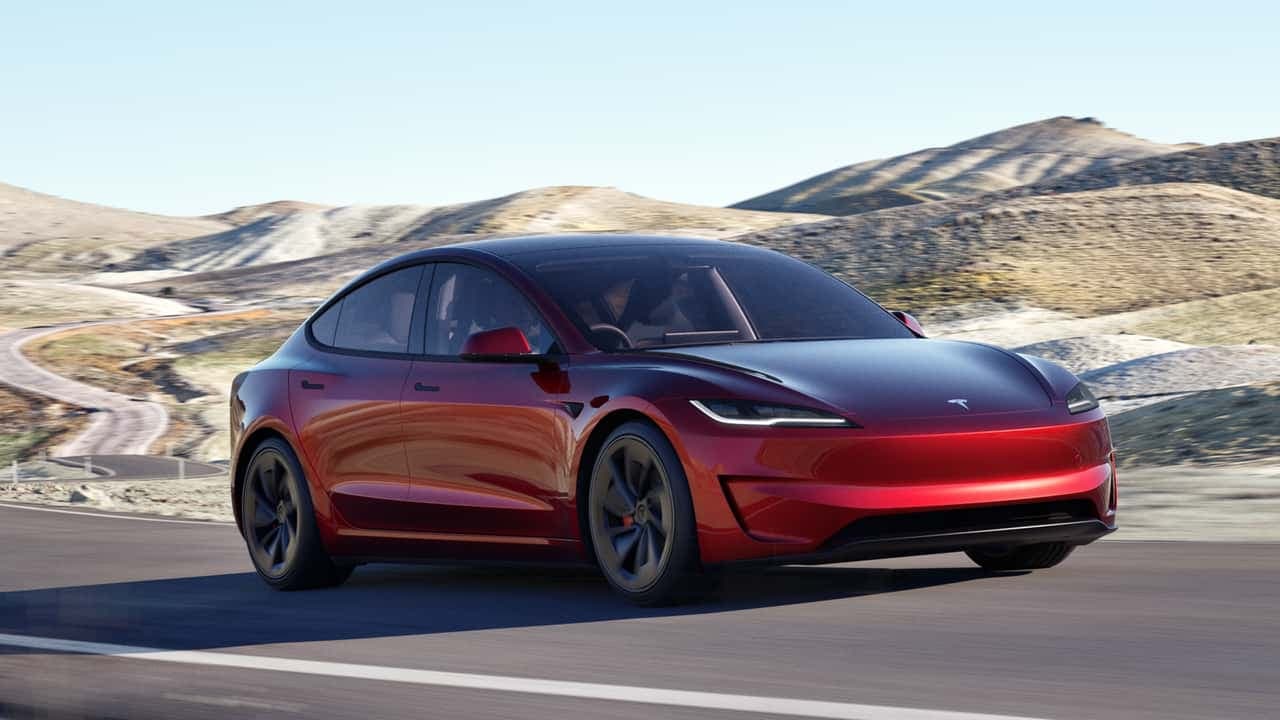
Alongside the hardware update to the primary display, the cabin aesthetic in specific trims has been refined. The Model 3 Performance now features a sleek black headliner, contributing to a more aggressive, cockpit-like feel that aligns with its high-performance persona. These subtle changes underscore Tesla's commitment to continuous product iteration, ensuring that the Model 3 maintains its competitive edge in the crowded premium electric sedan market.
2. Performance and Efficiency Gains
The headline for power enthusiasts is the boost granted to the top-spec Model 3 Performance. Through internal engineering refinements—the specifics of which Tesla has yet to disclose—the vehicle’s power output has climbed from 510 horsepower to 528 horsepower. Furthermore, the efficiency has been dialed in to squeeze out extra mileage, with the EPA-estimated range increasing from 309 miles to 316 miles. Interestingly, the zero-to-60 mph sprint remains locked at a blistering 2.9 seconds, suggesting the additional power is being leveraged for sustained high-speed performance rather than raw off-the-line launch changes.
Meanwhile, the Model 3 Premium All-Wheel Drive variant also receives a notable upgrade in responsiveness. Its zero-to-60 mph acceleration time has been shaved down to 3.8 seconds, compared to the 4.2-second mark previously associated with the trim. The estimated range for this model remains steady at 346 miles, providing a compelling middle ground for buyers who prioritize acceleration without sacrificing the long-range capabilities required for frequent road trips.
Why It Matters
Despite these hardware and performance upgrades, a notable omission remains: the lack of vehicle-to-load (V2L) capabilities for North American customers. While owners in markets like China, Australia, and South Korea now have access to V2L, which allows the vehicle’s high-voltage battery to power external appliances, tools, or camping equipment via an adapter, American buyers are left waiting. This technology currently remains limited to specific Tesla models in the U.S., such as the Cybertruck and certain iterations of the Model Y.
Ultimately, these updates signify Tesla's ability to refine its core product without altering the price point, maintaining the base price for the RWD model at $38,630, the Premium trim at $44,130, and the Performance variant at $56,630. While the omission of bidirectional charging functionality remains a point of contention for potential buyers hoping for grid-independence features, the improvements in screen technology and drivetrain efficiency keep the Model 3 at the forefront of the EV conversation.