The Architect of the AI Revolution
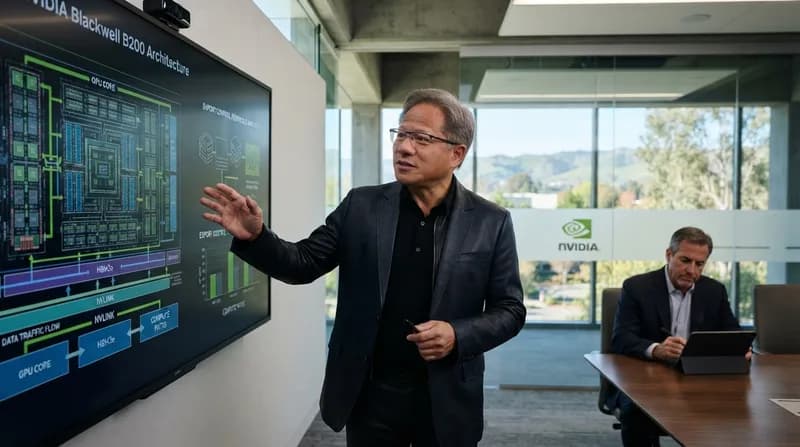
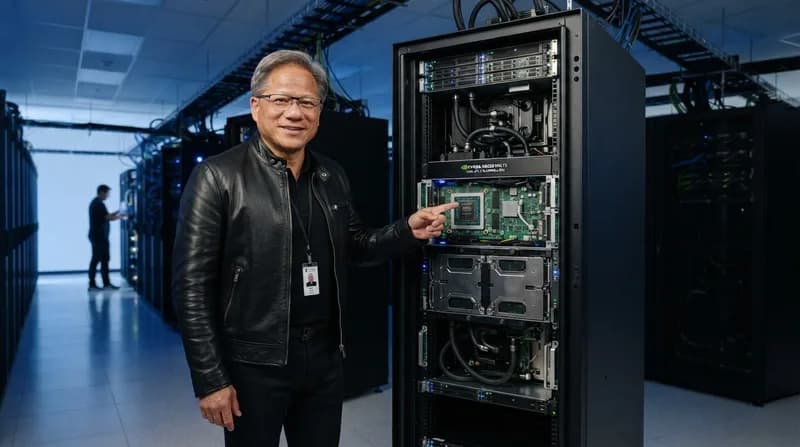
For over thirty years, Jensen Huang has been the face, voice, and strategic engine behind Nvidia. From its roots as a gaming-focused graphics card manufacturer to its current status as the indispensable backbone of global artificial intelligence infrastructure, Huang’s leadership has been synonymous with the company’s explosive trajectory. His departure, while hypothetical, represents a significant transition point for an organization that currently holds a tight grip on the silicon market.
The Strategic Succession Challenge
The core challenge facing Nvidia is not merely finding a replacement CEO, but rather identifying an executive capable of maintaining the complex web of industry relationships that Huang has meticulously cultivated. Industry analysts and insiders have pointed out that Nvidia’s dominance is bolstered by its deep integration into global supply chains and its influence with massive hyperscalers. Replacing the visionary energy and technical intuition of a founder-CEO remains the ultimate test for any high-growth tech giant.
Why It Matters: Navigating a Shifting Global Landscape
- Geopolitical Constraints: Nvidia’s strategy regarding China remains a volatile element, as export restrictions impact one of the company's most significant market opportunities.
- Innovation Momentum: Maintaining leadership in GPU architecture and AI compute while managing the transition will require a successor who can balance hardware innovation with evolving AI software ecosystems.
- Corporate Identity: Much of Nvidia's current market valuation is intrinsically linked to the market's confidence in Huang's strategic outlook and his ability to pivot the company toward next-generation computing architectures.
As Nvidia continues to expand, the question of who might eventually take the reins is becoming a central theme in discussions among investors and silicon valley analysts. Whether the company chooses a technical successor from within its current leadership ranks or searches externally, the objective will be to sustain the current momentum in the high-stakes AI chip race. Ultimately, the future of the company rests on whether the immense, ecosystem-wide trust established under Huang’s long tenure can be successfully transferred to a new, modern steward capable of navigating an increasingly complex technological landscape.