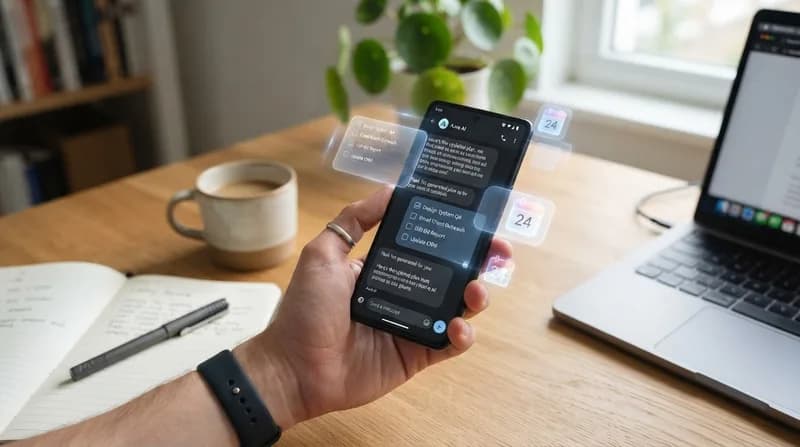
The New Digital Relationship Counselor
In a surprising shift in human behavior, partners are increasingly inviting artificial intelligence into their most private disputes. As digital literacy grows, people are using advanced AI chatbots to act as objective third-party mediators during heated disagreements. Whether seeking validation for their feelings or searching for more constructive ways to phrase difficult truths, individuals are treating large language models as a form of non-judgmental counsel.
The appeal lies in the perceived impartiality of the AI. Unlike friends or family, who may carry biases or personal history with either party, a chatbot offers an instant, data-driven perspective on communication strategies. Users often turn to these tools to practice de-escalation techniques or to analyze their own communication patterns, hoping to break negative cycles that have plagued their relationships.
Why It Matters
- Objectivity: AI provides a neutral sounding board, removing the emotional baggage that human mediators might bring to the table.
- Accessibility: With 24/7 availability, these tools offer immediate support exactly when the tension is at its highest, rather than waiting for a scheduled therapy session.
- Communication Training: Users are leveraging AI to draft sensitive messages, ensuring that their intent remains clear and non-accusatory during conflicts.
The Potential Pitfalls
While the benefits of having an instant coach are clear, experts remain wary of the risks involved in this digital shift. Relying on an algorithm to navigate human intimacy risks creating an artificial distance between partners. By turning to a screen, individuals may inadvertently avoid the raw, vulnerable work of face-to-face resolution. Furthermore, AI platforms are trained on general data, meaning they lack the nuanced understanding of a specific couple's unique history, cultural context, and emotional triggers. As this trend matures, the psychological community must grapple with whether delegating emotional labor to software strengthens relationships or simply masks deeper, systemic issues that only human empathy can solve.