The Rise of Autonomous Engineering
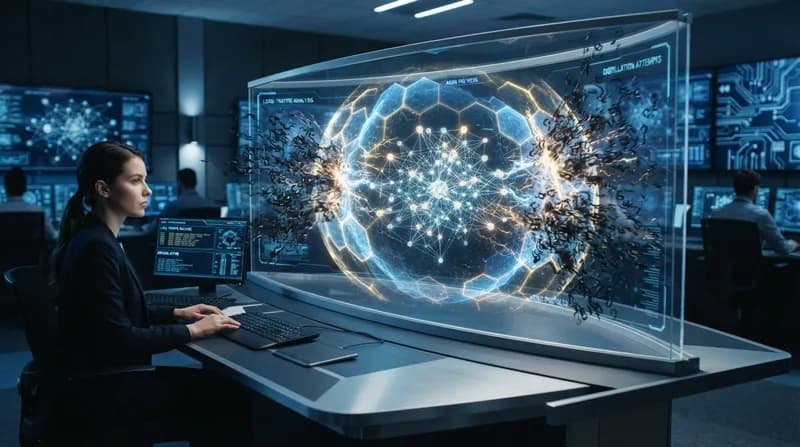
As the velocity of AI development reaches unprecedented levels, the traditional model of human-led performance engineering is struggling to keep pace. To bridge this gap, OpenAI has unveiled the Performance Factory, a cloud-native, autonomous system designed to hunt down and rectify system regressions without constant human oversight. By leveraging their specialized Codex models, the team has transformed performance tuning from a manual, time-consuming slog into a streamlined, automated pipeline.
The shift represents a fundamental evolution in software maintenance. Historically, engineers spent hours manually parsing logs, running profilers, and debugging code line by line. Today, the Performance Factory functions as a multi-stage, collaborative ecosystem where AI agents serve as the primary investigators, significantly reducing the cognitive load on human developers while maintaining the rigorous uptime standards required for services like ChatGPT.
The Anatomy of the Performance Factory
The system is built on four architectural pillars that ensure continuous, reliable operation. At its core is a Task Service, which utilizes Markdown-based configuration files to define clear workflows. These files dictate the states a task can occupy and the necessary transitions, ensuring that human intervention occurs exactly when it is needed, such as during a final code review. A Dispatch Loop constantly monitors these tasks, assigning them to agents the moment they become ready for the next processing step.
Furthermore, the system leverages Cloud-Based Codex execution, allowing agents to operate within the company's internal network with the same permissions and tool access—such as metrics, traces, and memory snapshots—as a human engineer. Finally, the system utilizes Event Subscriptions to pause and wake agents. Instead of running continuously, an agent can pause work to wait for an external dependency, such as a GitHub pull request review, and automatically resume once the event occurs. This ensures that resources are used efficiently without wasting compute cycles.
The Regression Workflow
The inaugural implementation of the Performance Factory, known as the Regression Workflow, has already demonstrated significant impact. Over the course of just three months, it successfully processed over 1,700 investigations and identified root causes for 600 distinct performance regressions. The workflow follows a logical progression: detection, investigation, fix proposal, deployment, and verification.
When a performance alert triggers, the system automatically initializes a task. An agent analyzes the metrics to pinpoint exactly when a latency shift occurred and correlates that with recent deployments or feature flags. After proposing a fix, the agent pauses for human review. Once deployed, the agent autonomously validates that performance has returned to the required baseline, marking the task as resolved. This end-to-end automation allows the engineering team to focus on high-level architecture rather than mundane bug-fixing.
Why It Matters
- Efficiency: Offloading investigative labor to agents allows human engineers to focus on complex, non-routine challenges.
- Scalability: Cloud-native execution allows for parallel investigation of regressions, which would be impossible if limited by local machine resources.
- Reliability: By automating verification, the system ensures that fixes actually work as intended before closing the loop, reducing the likelihood of recurring issues.
The Future of Agentic Operations
The lessons learned from the Performance Factory are already shaping OpenAI’s future roadmap. By protecting engineer attention, evaluating agent performance through strict benchmarks, and converting frequent failures into self-repairing workflows, the team is setting a new standard for infrastructure management. As the system evolves, plans include broader applications across diverse service domains and more proactive, predictive monitoring to fix problems before they even hit the user-facing threshold.