The Rise of the AI-Driven Microdrama
The microdrama industry—a genre defined by bite-sized, high-stakes, and often melodramatic episodes designed for mobile consumption—is undergoing a radical transformation. Shortical, a startup founded last January, is pushing the boundaries of this format by shifting from labor-intensive live-action filming to AI-generated content. These series, often featuring soapy romance tropes, are designed for the scrolling generation, offering cliffhangers that keep users engaged during their commute or as a wind-down ritual before sleep. By replacing physical sets and human casts with AI-generated visuals, the company is attempting to dramatically lower production overhead while scaling output to meet a global appetite for escapist storytelling.
The "Inevitable" Partnership
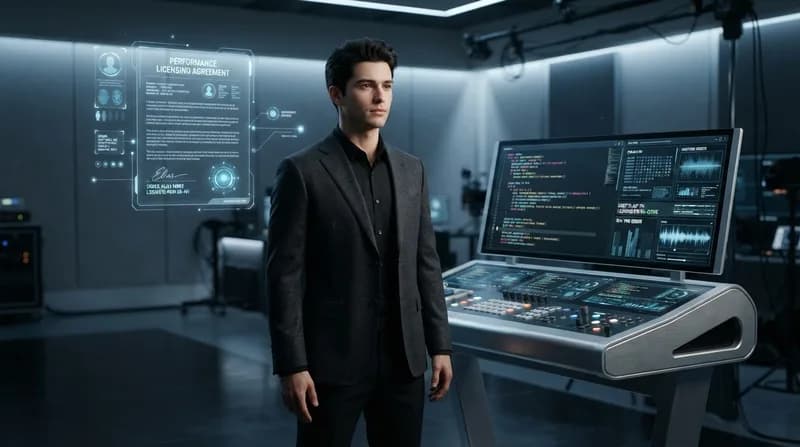
Shortical’s latest project, a series titled "Inevitable," marks a significant milestone in digital entertainment. The show features Israeli actor Aki Avni, who has transitioned from traditional roles in television—including his appearance in the thriller "24"—into the world of generative AI. In a meta narrative that mirrors reality, the AI-generated version of Avni portrays an actor who decides to license his likeness to a studio, spiraling into a thriller-like plot. This is the first time Shortical has utilized a real person’s likeness through a formal contract, signaling a shift in how talent and technology may intersect in the future of streaming.
Why It Matters
- Production Scalability: AI allows smaller teams to bypass the budgetary constraints of traditional filmmaking, enabling the production of ambitious genres like fantasy, sci-fi, and horror that were previously too costly for the microdrama format.
- The Gig-ification of Fame: Shortical is actively soliciting social media users to "license their face" to the platform, potentially creating a new labor market where individuals trade their digital personas for flat-fee payments or performance-based compensation.
- Industry Disruption: While the technology promises efficiency, critics argue it threatens entry-level opportunities for young actors who traditionally used these productions to hone their craft, raising concerns about the potential erosion of the human element in creative media.
The Economic Reality of Digital Likenesses
The move toward face licensing is not entirely new; the model has already taken root in China, where similar production firms have been compensating contributors for their facial data. However, the ethics and compensation structures remain contentious. While a company representative confirmed that Aki Avni’s contract aligned with industry standards for non-AI roles, the long-term outlook for amateur creators remains murky. Some industry experts express concern that these deals may become increasingly predatory, mirroring broader trends where AI-first companies prioritize automation over the welfare of the human talent they simulate.
As Shortical begins to integrate tools like Payouts.com to facilitate these digital transactions, the industry finds itself at a crossroads. Investors are clearly enamored with the "AI-first" narrative, often viewing automation as a catalyst for growth. Yet, the sustainability of this model relies entirely on whether audiences will remain captivated by synthetic performances. As the barrier to entry for content creation continues to collapse, the question remains: is this the future of entertainment, or a temporary surge driven by investor enthusiasm for all things automated?