The Odyssey Orbiter's Critical Mechanical Struggle
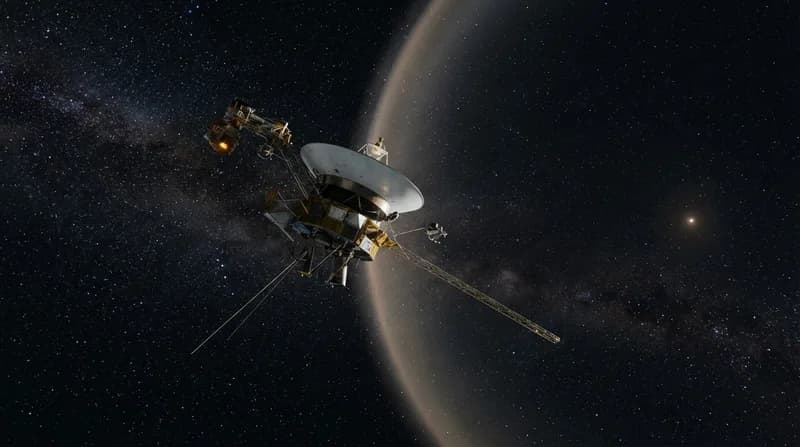
The 2001 Mars Odyssey orbiter, a stalwart of Martian exploration for over two decades, is currently battling a malfunction that threatens to end its remarkably long mission. Originally designed for a short-term survey to identify surface water, the orbiter has exceeded its expected lifespan by a quarter-century. Recently, the spacecraft entered safe mode after one of its vital reaction wheels—devices responsible for maintaining the orbiter's orientation in space—ceased spinning. While ground control managed to command the component to rotate again, the incident highlighted the fragility of the aging hardware.
The stakes are high because the orbiter is critically low on hydrazine fuel. If the reaction wheels fail permanently, the craft must rely on thrusters for stabilization; at current fuel levels, this would only sustain operations for a few months. As a foundational piece of NASA's Mars Relay Network, the potential loss of Odyssey would disrupt a system responsible for transmitting vital data from multiple generations of rovers and landers. While assets like the European Space Agency's Trace Gas Orbiter are prepared to absorb the relay workload, losing Odyssey would mark the conclusion of one of history’s most successful interplanetary missions.
Perseverance Rover Faces Communication Bottlenecks
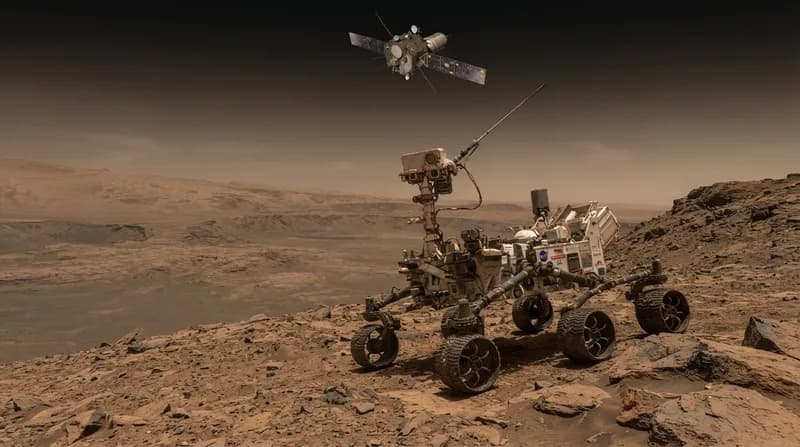
Simultaneously, the Perseverance rover is dealing with a significant communication breakdown. On October 30, the rover's onboard computer detected an anomaly with its primary radio after expected data heartbeats failed to register. In accordance with its autonomous safety protocols, the rover engaged its redundant backup radio and entered a protective safe mode. However, subsequent diagnostic testing revealed that the backup system is also failing to operate at full capacity, delivering only half of its intended power output.
Because both primary and secondary communication systems are compromised, Perseverance has been forced to rely on X-band transmissions via its high-gain antenna. While this maintains a connection to Earth, the data transfer rate is drastically reduced, necessitating a pause in scientific instrument operations. NASA engineers are currently focused on troubleshooting the backup radio to restore its full power output before attempting to diagnose the primary unit. Until these systems are stabilized, the rover remains in a limited state, unable to transmit the high-volume data streams required for complex surface research.
Why It Matters
- Interplanetary Relay Reliance: Mars exploration depends on a delicate web of relay orbiters. The potential failure of Odyssey underscores the fragility of existing infrastructure.
- Redundancy Limitations: The Perseverance case proves that even with redundant hardware, unexpected environmental or electrical factors can cripple secondary systems.
- Operational Continuity: With science operations currently paused, the mission team must balance urgent remote repairs with the need to prevent long-term data loss for critical research projects.