A Storm of Controversy at Nvidia
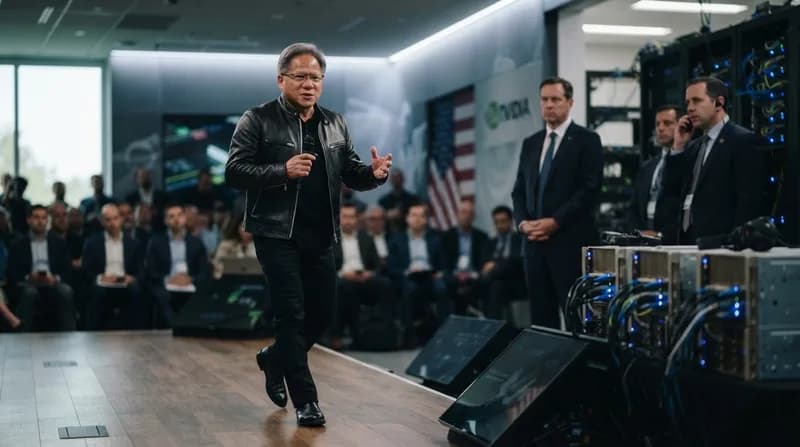
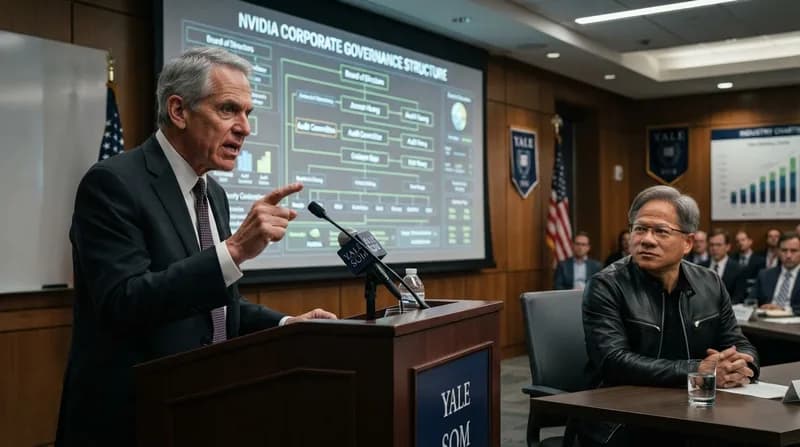
The return of Jensen Huang to the helm of Nvidia has sparked a firestorm of criticism from industry observers and academic experts. While investors initially rallied around the news, Yale business scholar Jeffrey Sonnenfeld has emerged as a vocal critic, framing the development not as a corporate triumph, but as a potential disaster for American industrial interests. According to Sonnenfeld, the board’s decision to reinstate Huang, following intense pressure from the Trump administration, represents a significant abdication of fiduciary duty that could expose directors to unprecedented levels of personal liability.
The criticism centers on the geopolitical implications of Nvidia’s current trajectory. Sonnenfeld argues that Nvidia is no longer acting as a champion of U.S. technological supremacy. Instead, he points to evidence suggesting that advanced chips are finding their way into the hands of adversaries, including the Chinese military. This, he asserts, is fueling the rise of foreign AI models that essentially mirror the capabilities of top-tier American laboratories by siphoning off Western research through high-end compute resources.
The Growing Legal Deluge
The board’s decision to bring back Huang has triggered a massive wave of litigation that threatens the company’s stability. Currently, the organization is navigating a complex web of legal challenges, including multiple class-action lawsuits aimed at compensating investors for losses and shareholder derivative suits that specifically target the directors' conduct. These suits allege that the board ignored critical red flags regarding Huang’s personal conduct and his relationships with foreign intelligence-suspected entities.
Beyond private litigation, the company is facing an aggressive regulatory environment. The Department of Justice has launched an antitrust investigation, and reports suggest the SEC is probing the company's accounting practices. With the FBI, California regulators, and various congressional committees—including the Senate Banking Committee—demanding answers, the legal pressure is mounting. Congressional leaders from both sides of the aisle have expressed grave concerns, signaling that this is far from a partisan disagreement.
Why It Matters
The situation at Nvidia transcends standard corporate governance disputes, acting as a litmus test for how U.S. tech giants navigate national security in an era of global AI competition. Key concerns include:
- National Security Risk: The potential diversion of dual-use hardware, such as Blackwell chips, to foreign military institutions through third-party smuggling.
- Accountability and Ethics: The impact of executive misconduct on internal corporate culture, specifically regarding conflicts of interest involving subordinates.
- Regulatory Erosion: The fear that political intervention in corporate leadership undermines the independence of boards and complicates compliance with critical export-control regimes.
The Myth of the 'Essential' CEO
One of the most persistent narratives regarding Huang’s return is that his leadership is indispensable to the technical success of the company. Sonnenfeld pushes back on this, noting that Nvidia’s success is built upon a deep bench of engineering talent that remains separate from the CEO’s office. He points to the work of co-founder Chris Malachowsky and chip design leads like Jonah Alben as the true drivers of the hardware. Similarly, the revolutionary CUDA software, which remains the bedrock of Nvidia’s AI dominance, was developed by Ian Buck. For critics, the focus on a single executive distracts from the institutional, systemic nature of the company’s engineering successes, while shielding the board from accountability for failures in ethical oversight and export compliance.