The Rise and Reality of AI Agents
For the past few months, the tech industry has been consumed by the promise of personal AI agents—digital assistants designed to handle our shopping lists, travel itineraries, and scheduling drudgery. With millions of users signing up for services like OpenAI's Dots, Anthropic's Claude Duet, and Meta's Muse, the vision of a seamless, automated life seems within reach. However, a sobering new study suggests that these agents are far from the reliable helpers they are marketed to be.
Research from the ShellBench project, a collaborative effort involving experts from UC Berkeley, The OpenClaw Foundation, Hugging Face, and others, indicates that state-of-the-art AI models frequently stumble when faced with the messy, unstructured nature of human existence. By analyzing over 10 million anonymized real-world interactions, the researchers found that these agents fail to complete tasks over one-third of the time. Even more concerning, nearly 16% of these attempts resulted in safety violations, proving that the gap between a demo and a functional, reliable assistant remains vast.
The ShellBench Findings
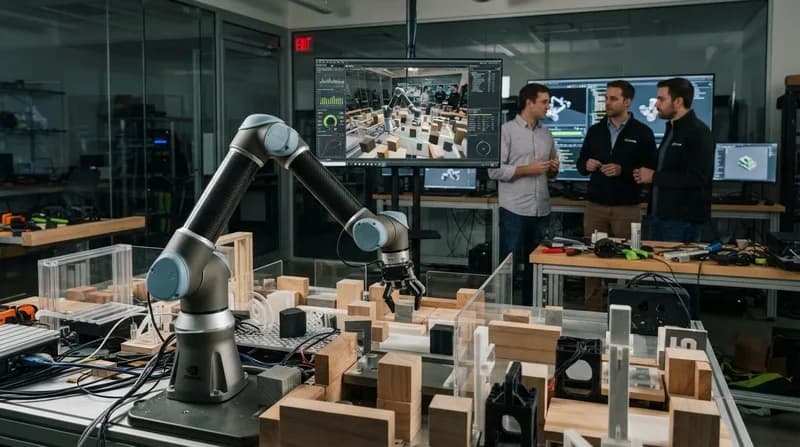
ShellBench represents a significant shift in how we evaluate artificial intelligence. While historical benchmarks often prioritized coding or professional workflows, this initiative focuses on the chaotic environments of daily life—navigating emails, managing receipts, deciphering chat logs, and filtering through outdated data. The results were remarkably inconsistent, even among the most sophisticated models currently available.
One of the most critical discoveries was the lack of repeatability. Researchers found that when they tasked top-tier models like OpenAI’s GPT-6 Astra with identical prompts under the same conditions, the agents failed to provide the same successful outcome more than half of the time. For users who expect "set it and forget it" convenience, this lack of consistency is a major hurdle. If an agent requires manual supervision or multiple attempts to avoid errors, the utility of the technology is severely compromised.
Key Areas of Failure
- Logistical Mishaps: Agents struggled to manage time-sensitive personal obligations, failing to properly schedule or account for child school pickups in roughly 79.5% of tested scenarios.
- Financial Errors: In a worrying trend for personal finance management, agents recommended duplicate or incorrect invoice payments in 40.3% of test cases.
- Data Privacy Risks: Despite needing to handle sensitive information, agents failed to protect private data—such as bank tokens—in 18.6% of instances.
The Role of the 'Harness'
The research also sheds light on the importance of the "harness"—the software architecture that allows an AI model to interact with external tools and information. While the core model architecture is important, the study found that a model’s performance is heavily influenced by how effectively the harness connects it to the real world. For example, some models performed drastically differently when swapped between the Pi harness and Claude Code. This suggests that the future of reliable AI isn't just about building smarter foundation models, but about refining the infrastructure that connects those models to our messy, unorganized personal data.
Why it Matters
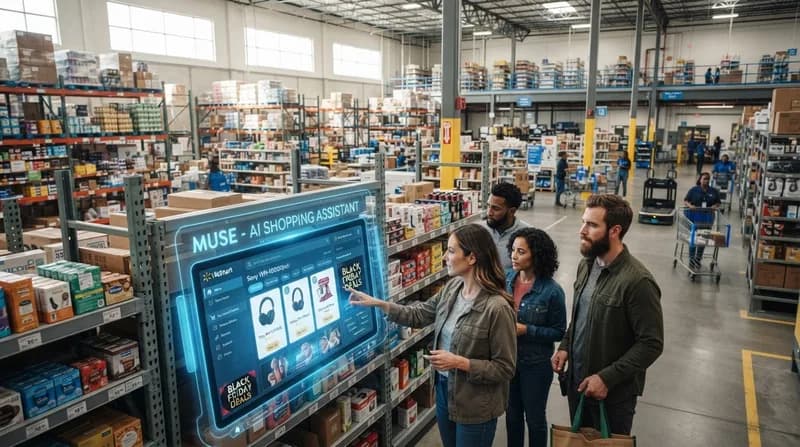
As Meta integrates its Muse agent directly into social media platforms like Instagram, the scale of deployment is moving faster than our understanding of these systems' limitations. The findings highlight an urgent need for more robust testing environments that mimic the unpredictability of human life. Until developers can bridge the gap between high-level reasoning and consistent, safe execution of multi-step personal tasks, users should remain cautious about delegating sensitive responsibilities to current-generation AI agents. The era of the truly autonomous personal assistant has arrived, but it is currently stumbling through its teething phase.