A New Chapter for Nvidia
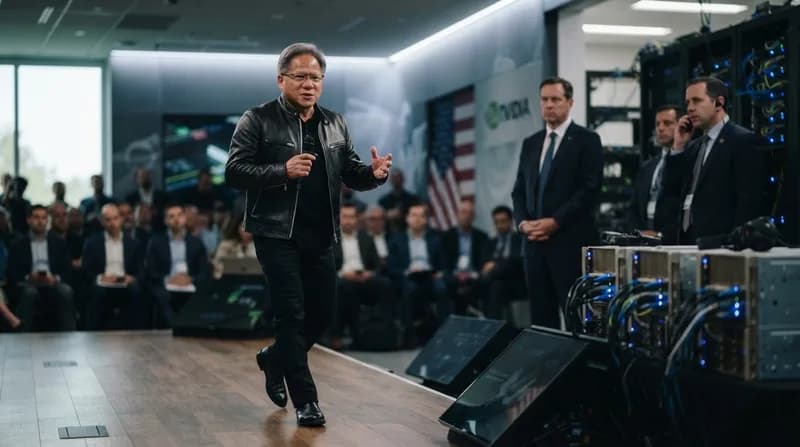
In a move that has sent shockwaves through the semiconductor industry, Nvidia’s board has officially voted to reinstate co-founder Jensen Huang as president and CEO. This decision, finalized this past Monday, marks the end of an eleven-day corporate exile for the high-profile executive. The board’s U-turn followed a period of intense pressure, characterized by a lobbying campaign involving prominent tech leaders and direct intervention from the White House. President Donald Trump publicly confirmed his role in persuading Nvidia’s directors, citing national security considerations as the primary driver behind the decision to bring Huang back to the helm.
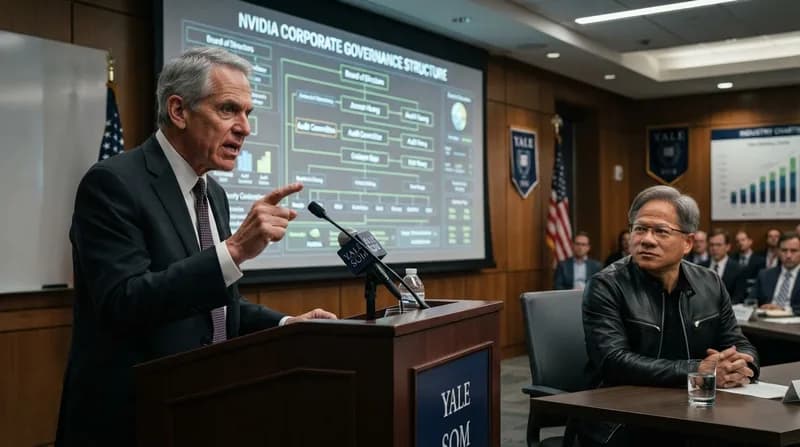
Despite the return to business as usual, the road ahead for the chipmaker is fraught with regulatory scrutiny. While shareholders have responded with optimism, Huang faces an imminent grilling by three congressional committees on December 1. To address ongoing concerns regarding international trade, Nvidia has established a board-level committee specifically dedicated to overseeing national security and export control compliance. This new body will oversee the company's trade compliance personnel, signaling a rigorous attempt to rebuild trust with Washington regulators.
The U.S. Blacklist and Megaspeed
While the leadership situation at Nvidia was being resolved, the U.S. Department of Commerce’s Bureau of Industry and Security (BIS) made a definitive move against foreign entities linked to potential export control violations. Megaspeed, a Singaporean cloud provider that had been central to the controversy surrounding the recent leadership shift, was officially placed on the U.S. government’s Entity List. The decision also affects several of Megaspeed's affiliated businesses, including its owner, Swiftdata, and its Malaysian subsidiary, Speedmatrix, alongside entities in Thailand.
The restriction means that any entity attempting to supply these seven companies with technology subject to U.S. export controls will now face a stringent licensing process, with applications being subject to a presumption of denial. Investigators have alleged that these companies posed a significant risk of diverting advanced computing hardware to unauthorized recipients. The investigation into these firms is not a recent development; it began in 2024, long before the recent personal controversies dominated headlines. U.S. authorities, working alongside Singaporean law enforcement, have been meticulously tracking suspicious activity in the region, leading to a point where Nvidia itself placed Megaspeed on an internal “no sell” list as early as June 2025.
Broader Implications for Global Tech
The situation highlights the complex intersection of global trade policy, personal corporate scandals, and the aggressive pursuit of advanced technology by foreign powers. Beyond Megaspeed, the U.S. government has also placed Apex Enterprise Solutions—a Singaporean subsidiary of the Chinese cloud giant Alibaba—under scrutiny as part of this sweeping action. This indicates that Washington is intensifying its focus on regional cloud providers acting as potential conduits for restricted GPU hardware.
As the dust settles, the focus shifts to how Nvidia will navigate its future. By establishing a dedicated board-level committee to manage export compliance, the company is attempting to demonstrate a newfound level of accountability. However, with the Justice Department continuing its criminal investigation and congressional lawmakers eager to question leadership on December 1 and 2, the tension between American tech giants and federal regulators remains at an all-time high. The coming weeks will be critical in determining whether these new oversight measures are enough to satisfy both the government and the global market.