Decoding the Brain-Gut Connection
For decades, neuroscientists have used advanced imaging to estimate a person's 'brain age'—a metric that often diverges from their actual chronological age. While an older-looking brain has long been associated with cognitive decline and mood instability in older populations, a recent study from UCLA Health has pushed the frontier of this research into younger, ostensibly healthy cohorts. By examining data from nearly 1,500 participants, researchers have uncovered a compelling link: the state of our internal microbiome may be a primary driver of how our brain ages long before the first clinical symptoms of cognitive decline appear.
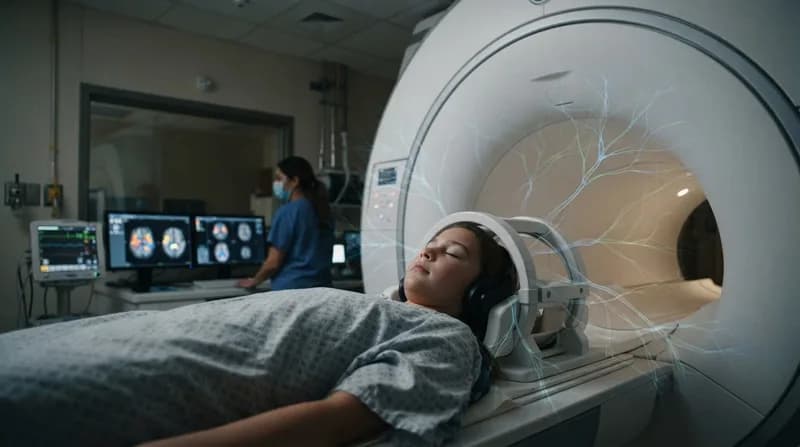
The study, published in the journal eBioMedicine, utilized sophisticated brain-scanning techniques to observe how disparate regions of the brain communicate while at rest. By training a computer model to interpret these patterns, the research team established a 'Brain Aging Index' (BAI). This index measures the discrepancy between a patient's biological brain age and their chronological reality, revealing that high BAI scores correlate strongly with deficits in working memory, executive function, and overall mood regulation.
The Microbiome as a Biological Barometer
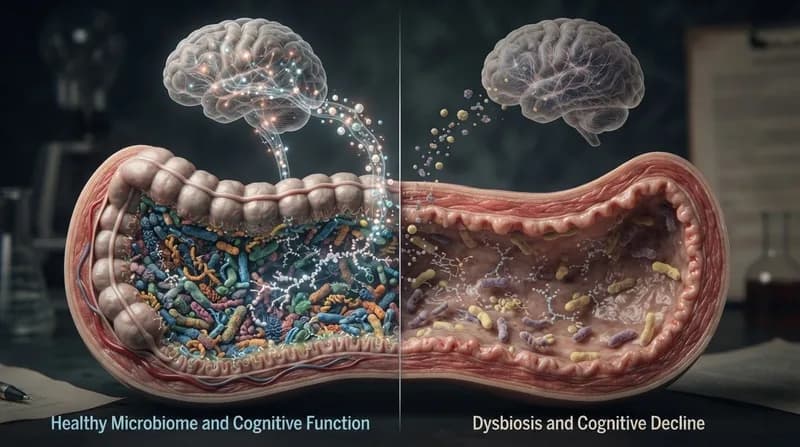
The most striking element of the research is the focus on the gut. For a significant portion of the cohort, researchers analyzed stool samples to identify if specific microbial signatures could explain the variance in brain aging. They discovered that a high BAI was consistently tied to distinct populations of gut bacteria and the specific chemical byproducts they generate, including unique fat molecules and cholesterol-related compounds.
These biological markers act as messengers in a complex feedback loop involving the immune system, cardiovascular function, and cellular energy production. Lower levels of the hormone estetrol were also identified as a factor in this accelerated aging profile. These findings suggest that the gut-brain axis is not merely a theoretical construct but a tangible biological pathway that influences the physical integrity of the brain's internal communication networks.
Why It Matters: A New Frontier for Prevention
The discovery that brain aging has detectable biological signals decades before the onset of noticeable memory loss or cognitive impairment represents a paradigm shift in preventative medicine. By identifying 'at-risk' individuals through their gut microbiome, the medical community may eventually shift from reactive treatment to proactive intervention.
- Early Detection: Biological markers in the gut can act as early warning signs for brain health.
- Targeted Interventions: If the gut dictates certain brain-aging processes, future therapies could involve dietary modifications, probiotics, or specialized metabolic treatments.
- Preventative Health: Identifying these markers in mid-life allows for decades of potential lifestyle adjustments to mitigate long-term neurological decline.
Implications for Future Research
Dr. Arpana Church, co-director of the Goodman-Luskin Microbiome Center at UCLA Health and the study’s senior author, notes that brain aging is a process that unfolds over a lifetime rather than a sudden onset in old age. The identification of these specific gut-to-brain pathways suggests that the microbiome could eventually become a primary target for maintaining cognitive vitality. As researchers continue to map the interplay between microbial metabolites and neural health, the possibility of slowing or preventing age-related decline through gut-centric medicine moves from the realm of hypothesis to an achievable clinical goal.