E-BUZZ ME Logo
ScienceTechnical Deep Dive

The Growth of Humanity: How We Became Twice as Large as Our Ancestors

Published
The Growth of Humanity: How We Became Twice as Large as Our Ancestors
1 min read134 words

The Gist

New research into prehistoric human development reveals that our ancestors were significantly smaller in both height and mass than modern humans.

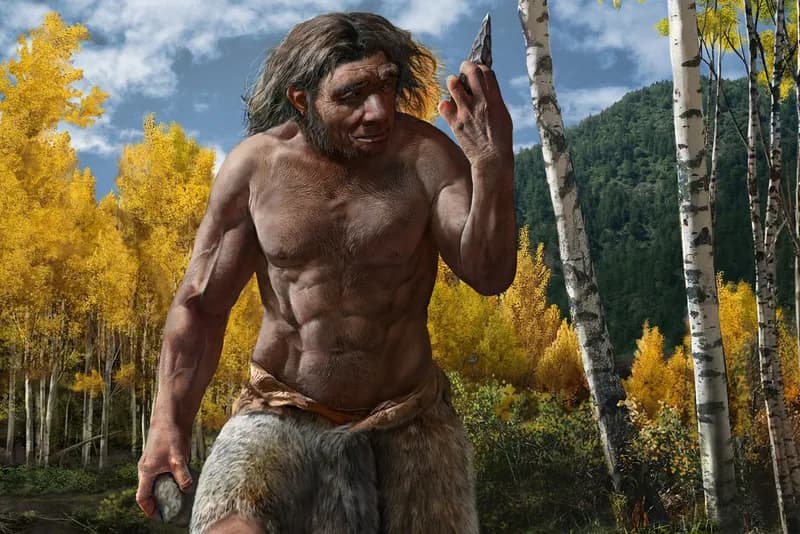
While modern artistic depictions often portray ancient humans as towering, muscular figures, scientific evidence suggests a very different reality. Columnist Michael Marshall highlights that our prehistoric ancestors were actually 'short kings,' possessing much smaller frames and lower body mass than the average human today.

The Evolution of Physical Stature

The transition from these smaller forms to the larger physical dimensions of modern humans represents a significant evolutionary shift. Over hundreds of thousands of years, environmental factors, dietary changes, and technological advancements in tool-making and hunting have contributed to a steady increase in human size.

This growth trend indicates that humans have roughly doubled in size compared to some of our earliest bipedal ancestors. Understanding this physical expansion provides crucial insights into how our species adapted to diverse climates and successfully migrated across the globe.

Related Stories

Semantically matched articles, ranked by topic overlap and freshness.

Unprecedented Warming: Earth's Current Climate Shift Outpaces Geological History
Science66%

Unprecedented Warming: Earth's Current Climate Shift Outpaces Geological History

New analysis of Earth's climate history reveals that the current rate of global warming is faster than any previously recorded geological event.

Ancient Egyptian Ape Fossil Challenges Established Human Evolutionary Timeline
Science66%

Ancient Egyptian Ape Fossil Challenges Established Human Evolutionary Timeline

A newly discovered fossil in northern Egypt suggests the ancestors of modern apes and humans may have emerged in North Africa rather than East Africa.

New Giant Salamander Species Identified from 3.5-Million-Year-Old Japanese Fossils
Science65%

New Giant Salamander Species Identified from 3.5-Million-Year-Old Japanese Fossils

Researchers have identified a new genus and species of giant salamander, Limnospondylus ajimuensis, from fossils originally discovered over two decades ago.

Biological Age Linked to Weight Loss Success in New Study
Science63%

Biological Age Linked to Weight Loss Success in New Study

A recent study suggests that individuals with a biological age younger than their chronological age may lose more weight when following calorie-restricted diets.

Sulfur-Based Compound Identified as Potential Breakthrough for Aging Muscle Repair
Science62%

Sulfur-Based Compound Identified as Potential Breakthrough for Aging Muscle Repair

Researchers have discovered a compound named LASSS that protects proteins essential for muscle recovery, offering hope for combating age-related muscle loss.

GLP-1 Weight Loss Drugs Linked to Increased Risk of Hair Loss
Science61%

GLP-1 Weight Loss Drugs Linked to Increased Risk of Hair Loss

A large-scale study reveals that popular GLP-1 medications like Ozempic and Mounjaro may carry a higher risk of alopecia compared to other diabetes treatments.

Longevity-Linked APOE2 Gene Found to Shield Brain from Aging and Alzheimer’s
Science60%

Longevity-Linked APOE2 Gene Found to Shield Brain from Aging and Alzheimer’s

Researchers have discovered that the APOE2 gene variant protects neurons by reducing DNA damage and enhancing stress recovery, offering a potential blueprint for new Alzheimer’s therapies.

The Economic Hurdles Facing GLP-1 Weight Loss Drugs
Science60%

The Economic Hurdles Facing GLP-1 Weight Loss Drugs

While drugs like Ozempic and Wegovy offer significant health benefits, their high costs pose a major challenge to insurance budgets and patient access.