A Shift in Consumer Sentiment
The Canadian electric vehicle market is currently caught in a unique state of anticipation. Recent data compiled by the think tank Clean Energy Canada indicates that while interest in electrification is stronger than ever—with 48% of new car buyers targeting an EV for their next purchase—a massive portion of that demographic is opting to wait. Specifically, 42% of these potential buyers are actively delaying their decision, holding out to see what Chinese manufacturers bring to the table as they expand their reach into North America.
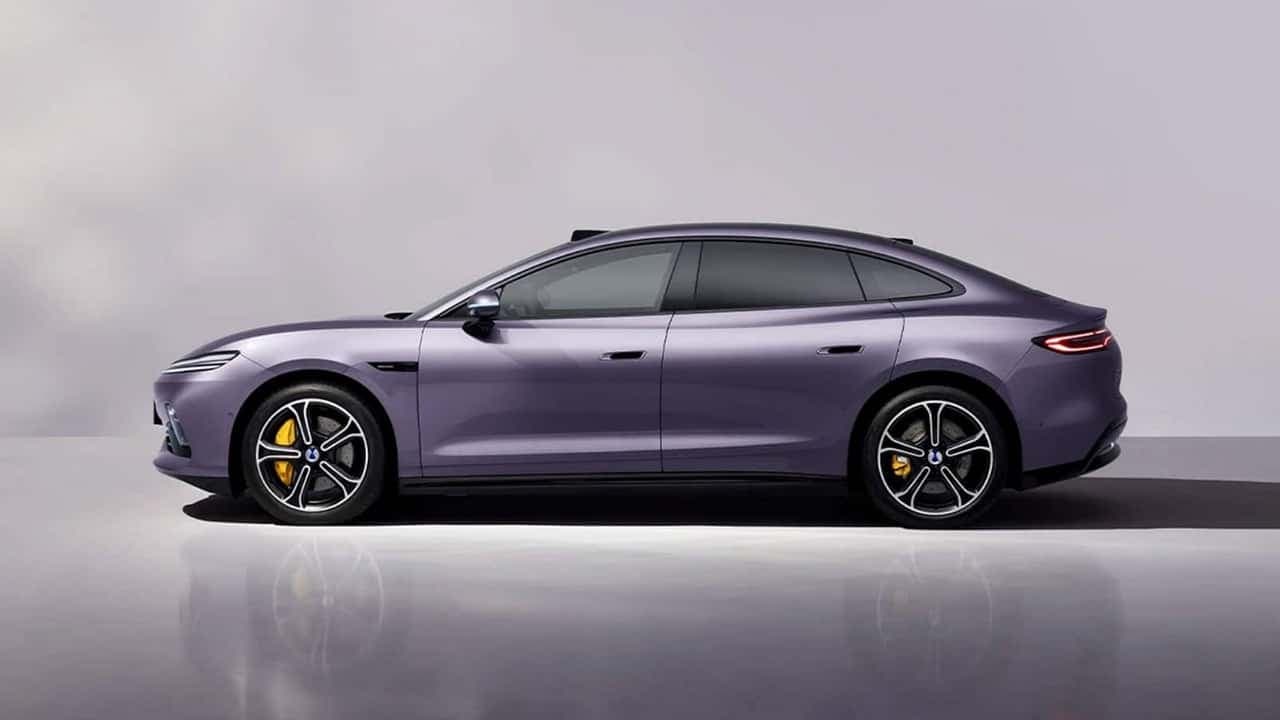
This hesitation marks a fascinating pivot in automotive retail. Historically, Canadian buyers might have jumped at the latest offerings from legacy manufacturers. Now, however, the allure of Chinese brands like BYD, Geely, Chery, and Dongfeng is proving strong enough to freeze current purchasing habits. With Canada recently adjusting its import policies to allow these brands in on a quota basis, the market is bracing for a influx of competition that promises higher levels of integrated technology and aggressive pricing structures.
The Value Proposition of Chinese Automakers
The primary driver behind this waiting game is the reputation Chinese EVs have cultivated globally. In international markets, these vehicles are widely recognized for delivering high-spec technology packages and premium features at price points that traditional automakers have struggled to match. Consumers are clearly signaling that they are tired of the current "premium" pricing tier for EVs and are looking for a more accessible alternative.
While the vehicles will certainly cost more in Canada than they do in their home market—due to logistics, import regulations, and local tax structures—there is a widespread belief that these cars will significantly undercut the current MSRPs of established North American and European electric models. By providing a bridge between high-end luxury and economy-focused commuters, these incoming brands are poised to disrupt the status quo of the Canadian auto landscape.
Why It Matters
- Market Disruption: The influx of Chinese brands could force legacy manufacturers to rethink their pricing strategies and feature sets.
- Adoption Rates: Currently, EV adoption in Canada sits at roughly 10.8%. More affordable, tech-forward options are viewed as the catalyst needed to push that number toward mainstream tipping points.
- Changing Consumer Loyalty: The willingness of buyers to wait suggests that brand loyalty is waning in the face of better "value-for-money" propositions in the EV sector.
The Future of Competition
The success of this transition will depend heavily on the final pricing of the models from manufacturers like BYD and Geely. If these automakers can successfully navigate the quota system and offer a compelling price-to-feature ratio, the competitive landscape in Canada could change overnight. If the pricing ends up being comparable to existing models, it may trigger a shift in loyalty back toward long-established brands.
For now, Canadian buyers are holding their breath. This period of waiting signals a maturation of the electric vehicle market, where consumers are no longer settling for the first available option but are actively researching, comparing, and anticipating the arrival of global competition. Whether this results in a full-scale market shift or merely a temporary fluctuation, the arrival of Chinese manufacturers is undeniably the most watched storyline in the Canadian automotive sector right now.