A Record-Breaking Feat in Efficiency
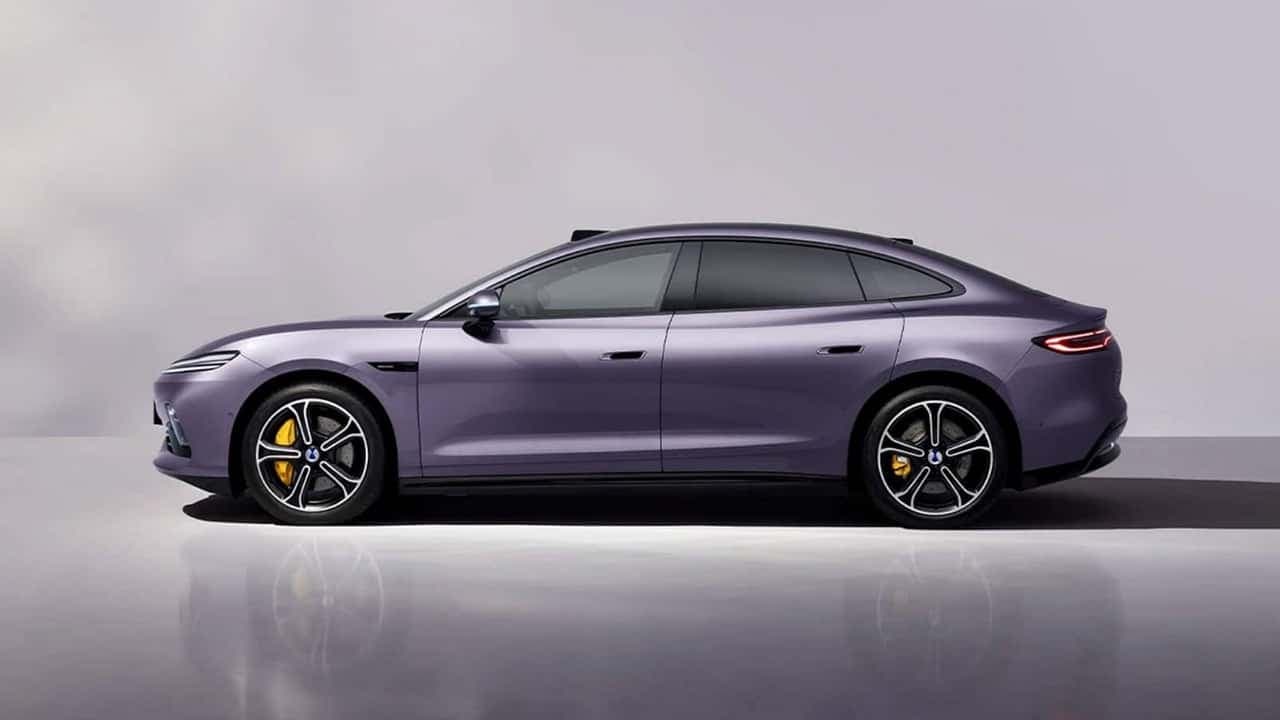
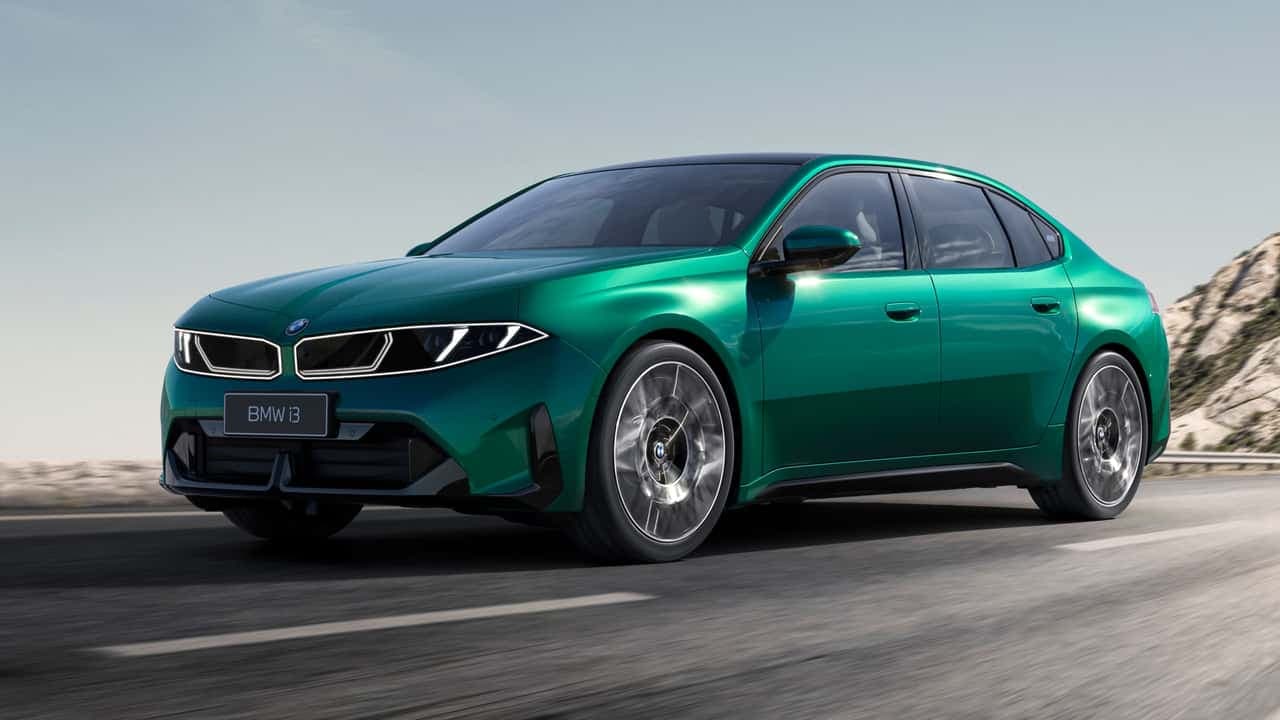
In a bold display of engineering prowess, BMW has demonstrated that electric vehicles are not just viable alternatives to internal combustion engines but can actually surpass them in long-haul capability. A rear-wheel-drive, long-wheelbase variant of the latest BMW i3 sedan successfully completed an endurance test covering 753 miles (1,213 kilometers) on a single battery charge. The test, conducted in China, pushed the limits of the vehicle across a mix of urban streets, national roads, and high-speed highways, leaving the team with just 1% of energy remaining upon completion.
The performance is particularly remarkable when looking at the energy consumption figures. The i3 managed an average efficiency of 7 miles per kilowatt-hour, which equates to roughly 14.1 kilowatt-hours per 100 miles. By any metric, this is a highly impressive result for a production sedan, proving that the Neue Klasse architecture is a massive leap forward for BMW's electrification strategy.
The Tech Under the Hood
At the heart of this record-setting performance is the i3’s substantial 108.7-kilowatt-hour usable battery pack. The efficiency of the drivetrain combined with the high-voltage 800-volt electrical architecture allows the vehicle to optimize power delivery and energy recovery significantly better than previous iterations. This high-voltage platform is not just about raw power; it is the cornerstone of BMW’s strategy to minimize charging downtime.
For owners who do eventually need to plug in, the top-spec i3 is capable of charging at rates of up to 400 kW. Under optimal conditions, this allows the battery to surge from a 10% charge to 80% in just 21 minutes. This capability addresses one of the primary concerns surrounding EV adoption—the time required to replenish range on long journeys—by turning a lengthy stop into a quick coffee break.
Why it Matters
- Proven Range: The test proves that modern, high-capacity battery packs can provide ranges that comfortably exceed most gas-powered vehicles.
- Efficiency Breakthrough: Averaging 7 miles/kWh showcases significant advancements in motor management and aerodynamic efficiency.
- Charging Speed: The 400 kW peak charging rate significantly reduces downtime, making long-distance travel as practical as it is in a conventional car.
- Standardization: Because the battery pack is consistent across the global i3 lineup, North American and European drivers can expect similar levels of efficiency from their own units.
Global Availability and Outlook
While the Chinese-spec model used for this test offers a glimpse into the platform's potential, it is worth noting that international markets will see a slightly different rollout. North America and Europe are expected to receive an all-wheel-drive, dual-motor configuration initially. While the rear-motor variant from the record-breaking run will eventually reach these markets, enthusiasts should anticipate slight variations in range based on drivetrain differences.
The current U.S. EPA estimate for the i3 50 xDrive sits at 468 miles, which is already a commanding figure in the premium EV segment. With these latest real-world results, BMW is positioning itself to challenge the very definition of range anxiety, effectively signaling that the transition away from fossil fuels is accelerating at an unprecedented pace.