The End of an Era for Affordable Electrification
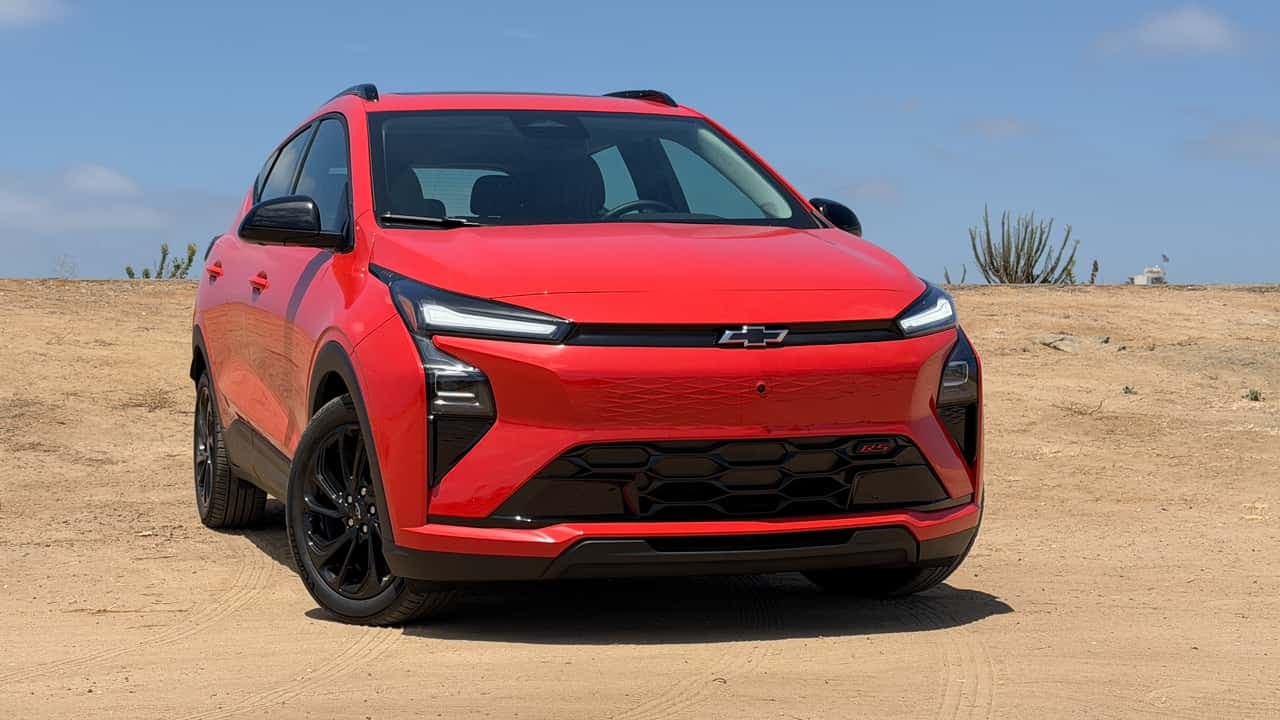
General Motors has long been the primary driver of accessible electric vehicle adoption in the United States, largely thanks to the Chevrolet Bolt. However, the latest intel on the revamped model paints a picture of a constrained legacy. According to reports from United Auto Workers officials, the assembly line at the Fairfax facility in Kansas is currently slated to produce only 35,000 units of the new Bolt before operations cease entirely in the first quarter of next year.
This figure serves as a stark reminder of the shifting priorities within the automotive industry. In its peak year of 2023, the Bolt platform saw over 62,000 units move off dealer lots. The decision to cap production at such a relatively low volume signals a move toward higher-margin, larger electric vehicles—such as the Silverado EV—at the expense of the sub-compact, budget-friendly segment that the Bolt defined for nearly a decade.
Refining the Bolt Formula
Despite the limited production window, the rebooted Chevrolet Bolt is objectively the most competitive version of the vehicle GM has ever offered. Departing from the original, somewhat sluggish charging profile of its predecessor, this iteration features a significantly upgraded 150 kW charging capacity. This massive improvement allows the vehicle to recoup range far more efficiently, addressing one of the most frequent consumer complaints regarding the previous generation.
Beyond the charging hardware, the vehicle is built on a modern 65-kWh lithium iron phosphate (LFP) battery pack. This chemistry shift provides a more robust thermal profile and longer cycle life, translating to an estimated 262 miles of range. With a starting price point of approximately $28,995, it remains one of the most cost-effective entry points into the EV ecosystem, even if the current market climate has made the sales environment significantly more challenging than it was just a few years ago.
Why It Matters: The State of the EV Market
- Supply Chain Realignment: The pivot toward larger, more profitable EVs at the Orion Assembly plant highlights the pressure GM faces to improve margins in an increasingly crowded EV landscape.
- Regulatory Headwinds: The expiration of certain federal EV tax incentives has altered the calculus for consumers, cooling demand for budget models that previously relied on credit-driven price parity.
- Strategic Volatility: The two-year hiatus and subsequent cancellation-reversal cycle for the Bolt underscore the volatility of corporate EV strategies as manufacturers grapple with fluctuating consumer interest and evolving battery supply chains.
Outlook and Implications
The decision to limit the Bolt's production run to 35,000 units creates a unique "last call" scenario for buyers seeking an affordable, highway-capable electric hatchback. While the industry is clearly pivoting toward larger form factors, the absence of the Bolt creates a vacuum in the sub-$30,000 electric vehicle space. As the Fairfax plant prepares to wind down these operations in early 2026, the industry will be watching closely to see if other manufacturers step up to fill the void left by one of the most significant vehicles in the history of domestic electric mobility.