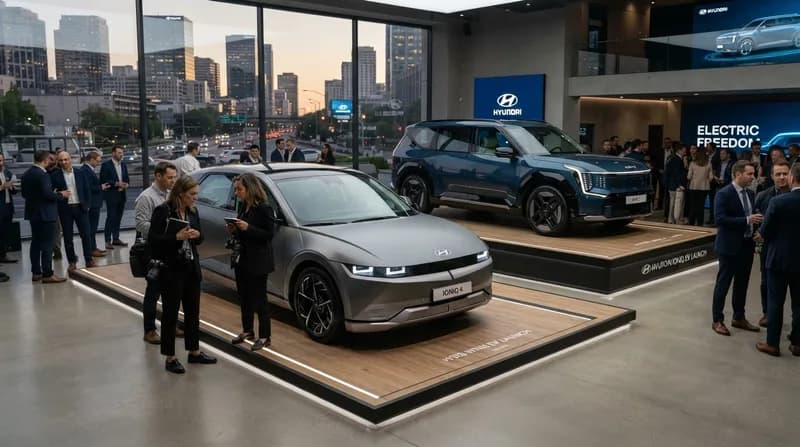
1. The Hyundai Ioniq 4
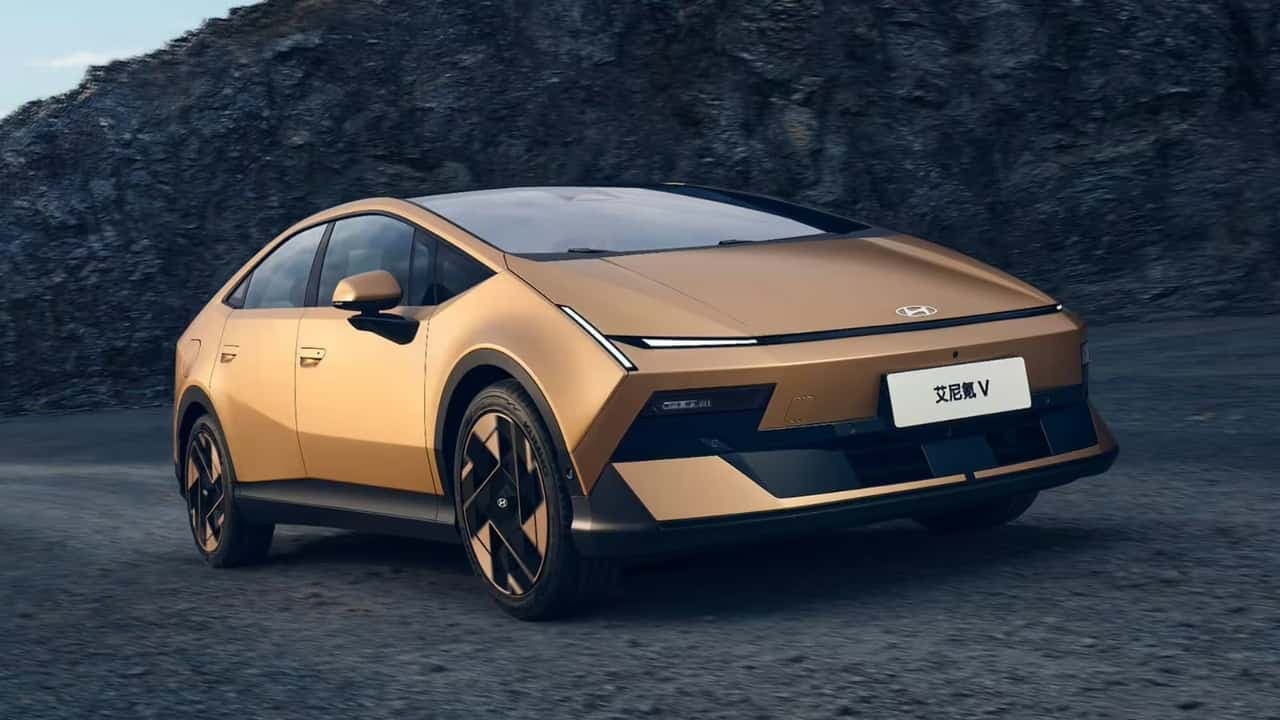
Positioned as a bridge between the aerodynamic Ioniq 3 hatchback and the widely acclaimed Ioniq 5, the upcoming Ioniq 4 is designed to capture the lucrative compact SUV market. Early reports indicate that the vehicle will adopt a sharper, more conventional SUV aesthetic, catering to buyers who prioritize utility and a higher seating position while maintaining a footprint suitable for urban environments.
Technical expectations for the Ioniq 4 suggest it will likely share interior design DNA with the recently launched Ioniq 3. Under the hood, or rather in the floor pan, the vehicle is expected to offer customers a choice between two battery capacities: a 42 kWh option for shorter-range efficiency and a 61 kWh variant for those needing extended travel capabilities. Production is tentatively slated to commence in 2027, filling a strategic role similar to its sibling, the Kia EV3.
2. The Hyundai Ioniq 7
Slated to sit firmly between the Ioniq 5 and the flagship three-row Ioniq 9, the Ioniq 7 will serve as Hyundai’s dedicated mid-size electric SUV. By reclaiming the numerical designation previously swapped for the Ioniq 9, Hyundai intends for this model to become a family-friendly staple that directly competes with the most popular mid-sized offerings in the global EV market.
From a technical standpoint, the Ioniq 7 is expected to leverage a high-performance 800-volt electrical architecture, a hallmark of Hyundai's E-GMP platform that enables rapid DC fast charging. While specific battery capacities and range metrics remain under wraps, reports suggest the platform will support both single-motor rear-wheel-drive configurations and dual-motor all-wheel-drive systems, providing a versatile range of performance profiles to meet varying consumer demands.
Strategic Implications
The potential introduction of these two models marks a pivot in Hyundai’s sub-brand strategy. Originally launched as a trio of electrified vehicles in 2020, the Ioniq sub-brand has evolved into a comprehensive ecosystem of modular electric transport. By expanding into the B-segment with the Ioniq 4 and reinforcing the mid-size segment with the Ioniq 7, Hyundai is moving to eliminate the whitespace in its catalog where sister brand Kia has already seen success.
- Portfolio Expansion: Closing the gap between the Ioniq 3, 5, and 9.
- Platform Synergy: Utilizing modular E-GMP architecture to drive down costs.
- Market Alignment: Competitive response to the growth of the electric compact and mid-size SUV segments.
- Technology Focus: Anticipated adoption of 800V charging tech in the Ioniq 7 to maintain top-tier competitiveness.
While official confirmation from Hyundai management remains elusive, the company's recent strategy day hints at an aggressive product offensive. As the automotive industry shifts toward full electrification, these two models appear to be the final puzzle pieces in Hyundai’s effort to offer a tailored EV for every type of driver, from the entry-level hatchback buyer to the large-family SUV seeker.