The Production Halt
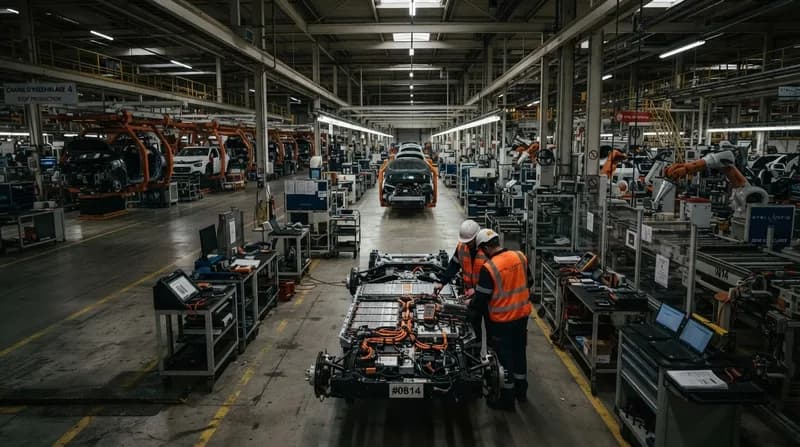
Stellantis has announced a temporary suspension of manufacturing activities at three of its major French production hubs: Sochaux, Rennes, and Mulhouse. The pauses, scheduled throughout late October, underscore the growing pains of the European electric vehicle supply chain. While each plant faces unique scheduling, the shutdowns at Sochaux and Rennes are directly attributed to an inability to source sufficient quantities of nickel-based high-capacity batteries required for the company's newest long-range electric lineups.
The Role of ACC
The core of the issue lies with Automotive Cells Company (ACC), a joint venture involving Stellantis, Mercedes-Benz, and TotalEnergies. ACC was established as a strategic pillar for European battery sovereignty, aiming to provide a localized supply of high-performance cells. However, the company has struggled with a difficult ramp-up phase at its primary facility in Douvrin, France. After abandoning plans for additional factories in Germany and Italy, ACC has remained tethered to the performance of its single operating site, which has faced significant manufacturing challenges and higher-than-expected defect rates.
Why it Matters
- Supply Chain Fragility: The reliance on a singular battery source for the STLA Medium platform demonstrates the extreme sensitivity of modern EV manufacturing to upstream component availability.
- Market Mismatch: Stellantis is managing a difficult inventory balance. The company is intentionally idling plants to avoid a surplus of base-model vehicles while simultaneously failing to meet the high demand for long-range variants.
- Long-Term Delivery Impact: Customers opting for premium, 97-kWh battery configurations are facing substantial delays, with some delivery estimates stretching well into 2027. This poses a reputational risk as buyers who pay a premium for extended range find themselves waiting months longer than those opting for standard entry-level configurations.
Strategic Implications
For Stellantis, the situation is increasingly complex. The company is stuck in a cycle where they must manage dealership inventory levels while navigating the technical hurdles of its battery partner. While reports suggest that ACC has successfully implemented changes to reduce defect rates and stabilize output, the current volume remains insufficient to support the aggressive sales targets for flagship models like the Peugeot E-3008, E-5008, and the Opel Grandland Electric. The move to halt production is a defensive maneuver intended to prevent the accumulation of mismatched vehicle stock, but it serves as a stark reminder that even the most ambitious electrification strategies are only as fast as their slowest battery supplier.