The Future of In-Car Connectivity
Tesla is moving closer to integrating SpaceX’s Starlink satellite internet directly into its consumer vehicle lineup. While previously associated primarily with the specialized Cybercab, CEO Elon Musk has publicly suggested that this high-bandwidth connectivity could arrive in all Tesla models as early as the end of 2026. This integration represents a major shift in how the company views the connected car, moving beyond standard cellular data to provide consistent, high-speed access regardless of geographical location.
The motivation behind this move is driven by the evolution of Full Self-Driving (FSD) technology. According to Musk, providing reliable, high-bandwidth satellite internet will be essential for the maturation of unsupervised FSD. The goal is to ensure that passengers in future autonomous vehicles have a robust connection for both remote work and high-definition entertainment, effectively turning the cabin into a mobile office or lounge while the vehicle handles navigation.
Hardware Challenges and Integration
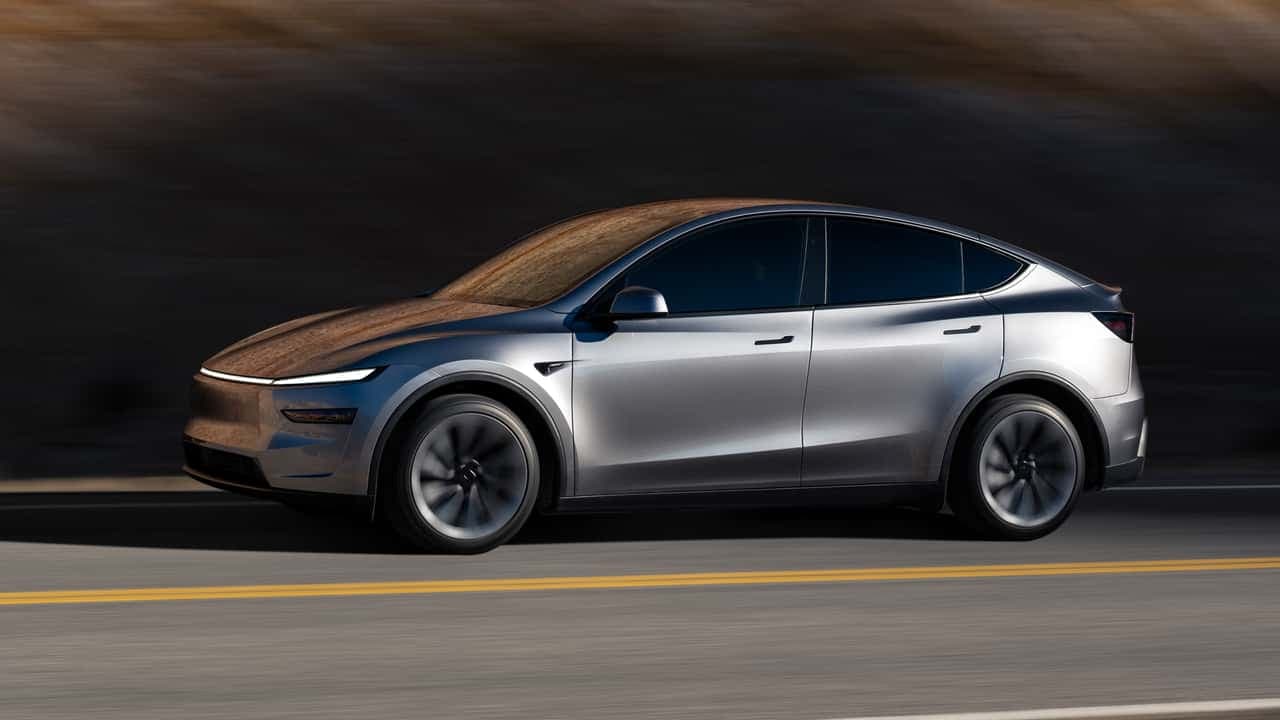
Integrating Starlink hardware into the existing Tesla fleet presents a significant engineering hurdle. The recently unveiled Cybercab already features a dedicated antenna panel integrated into its roof, designed with a specific square cutout to accommodate the transceiver. Translating this to the current Model 3, Model Y, Model S, and Model X would likely require a comprehensive redesign of roof panels, which are already highly optimized for aerodynamics and glass-centric design.
Alternatively, the company may opt for an aftermarket-style mounting solution, similar to the flat panel antennas recently spotted during testing on the Cybertruck. While functionally effective, such an approach would mark a departure from the clean, integrated aesthetic Tesla owners are accustomed to. Furthermore, Tesla's AI lead Ashok Elluswamy noted that while current Cybercab units in testing do utilize Starlink, that connectivity is currently reserved for fleet management, navigation, and customer support, rather than passenger-facing data.
Why It Matters
- FSD Reliability: High-speed satellite connectivity ensures the vehicle remains connected in remote areas, which is critical for real-time map updates and safety communications required for unsupervised driving.
- Entertainment Ecosystem: Constant, reliable bandwidth supports streaming, gaming, and remote conferencing, making the transition to "robotaxi" services more palatable for consumers.
- Global Limitations: While the goal is a universal rollout, the company acknowledges that Starlink will remain unavailable in regions like China due to local regulatory restrictions.
The Road Ahead
While Elon Musk’s ambitious timelines often face delays, the infrastructure for this transition is already materializing. Patents for built-in Starlink antennae have been filed, and the hardware is currently being stress-tested in active robotaxi fleets. As FSD capabilities continue to advance—specifically with new features that allow users to view real-time, high-definition camera feeds of their surroundings—the necessity for low-latency, ubiquitous internet will only grow.
If successfully implemented, this upgrade would place Tesla in a unique position within the automotive sector, effectively bypassing the reliability issues of traditional cellular networks. For owners, the promise is a vehicle that stays connected on secluded trails or in remote corridors just as reliably as it does in a major metropolitan center. Whether this feature rolls out to existing models or becomes a standard hardware inclusion for future generations, it signals a deeper integration between Musk’s various ventures, aimed at creating a self-sustaining ecosystem of autonomous mobility and global connectivity.