Expanding the Powershare Ecosystem
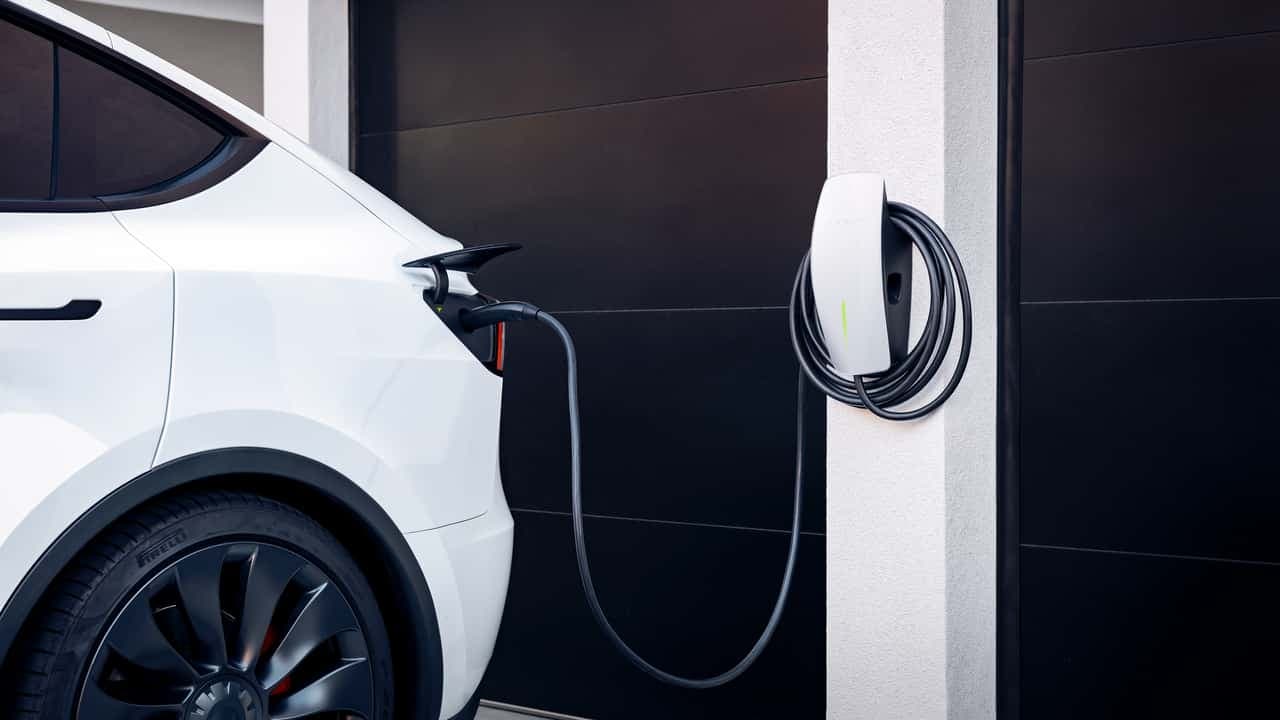
Tesla has officially broadened the scope of its vehicle-to-home (V2H) functionality, announcing that the Model 3 and Model Y can now serve as backup power sources during grid outages. Previously, this capability was exclusive to the Cybertruck, which utilized its unique onboard hardware to facilitate energy sharing. By integrating the Model 3 and Model Y into this ecosystem, Tesla is significantly increasing the utility of its most ubiquitous passenger vehicles, effectively transforming them into mobile energy storage systems.
The integration, branded as Powershare, allows these vehicles to feed electricity back into a residential system, providing a safety net when the primary power grid fails. This move signals a strategic shift in how Tesla positions its consumer EVs, moving beyond simple transportation to become an essential component of a broader, home-integrated energy architecture.
Hardware Requirements and Technical Implementation
It is important to note that this functionality is not a software-only update; it requires a specific hardware foundation to operate safely and effectively. According to Tesla, the feature is available on vehicles purchased on or after October 1, 2024, with select older models also slated for support. Unlike the Cybertruck—which can function with a more streamlined setup due to its built-in DC-to-AC converter—the Model 3 and Model Y require a more comprehensive residential infrastructure to manage the power flow.
To utilize this feature, homeowners must have a Tesla Powerwall—the company’s dedicated residential battery storage unit—paired with a Tesla Wall Connector. This configuration ensures that the vehicle can interface properly with the home's electrical panel. Once installed, the system allows the vehicle to output up to 15 kW of power to the residence. While the financial investment for this setup is significant—with a Powerwall 3 installation costing approximately $15,000 and the Wall Connector priced at $585—the benefit is a robust, integrated energy backup system that extends the duration of off-grid living.
Why it Matters: Resilience and Energy Independence
The ability for a standard passenger EV to support a home during a blackout represents a turning point in the consumer transition to green energy. By leveraging the large battery packs already present in millions of driveways, users can maintain essential household operations for extended periods during emergencies. Tesla estimates that hooking up a Powershare-enabled vehicle to a residential Powerwall setup can provide an additional two days of backup power, assuming a standard daily consumption of 30 kWh.
This development bridges the gap between automotive and residential energy management. It reduces the reliance on traditional emergency generators, which are often noisy and dependent on fossil fuels. As more manufacturers adopt V2H standards, the collective capacity of EVs parked in garages across the country could eventually play a larger role in stabilizing local power grids during periods of high stress.