The Emergence of Hark Pro
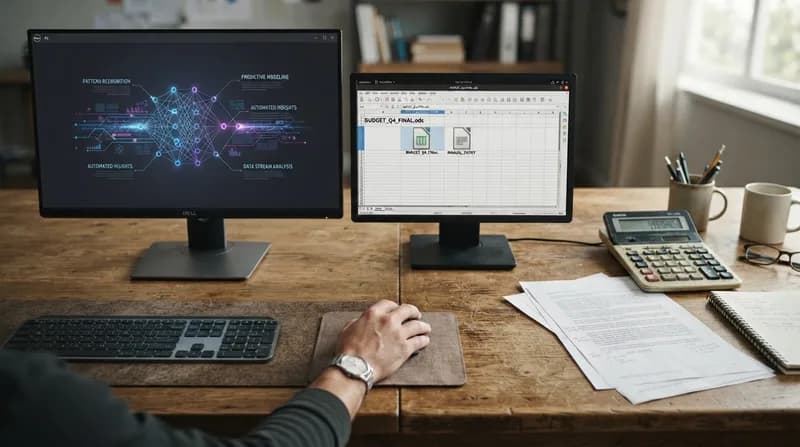
In a crowded landscape of AI assistants, a newcomer named Hark is attempting to differentiate itself by focusing on a distinct user experience designed specifically for productivity. Unlike many frontier AI developers focused on general-purpose intelligence or scientific breakthroughs, Hark is laser-focused on creating a specialized operating system for AI-driven computing. Its primary product, Hark Pro, functions as an AI agent designed to operate the computer on the user's behalf, transforming the traditional terminal-based interface into a more intuitive, proactive experience.
Hark Pro operates through a full-screen dashboard that greets users with a central chat interface, dynamic data feeds, and personalized "panels." These panels provide live dashboards for specific information streams, while custom imagery in the background adapts to local weather and time settings, creating a more cohesive desktop environment. By integrating with email, calendars, local storage, and financial services, the software aims to automate mundane digital chores rather than just answering static questions.
Human-Centric Design and Transparency
A significant portion of Hark's appeal lies in its approach to transparency and privacy. Recognizing the skepticism users hold toward major tech giants and their data-harvesting practices, Hark differentiates itself by positioning its agent as a productivity tool rather than an advertising platform. Design lead Abidur Chowdhury, formerly of Apple, emphasizes that the company does not seek to profit from selling user profiles or monitoring personal data for ad revenue.
To build further confidence in its actions, Hark Pro includes a unique UX feature: it displays the agent’s navigation processes in a small, visible window. This allows users to observe exactly how the AI interacts with websites and applications to complete tasks, such as filling out forms or executing digital workflows. By making the "black box" of AI agency visible, the company hopes to foster a sense of security and trust as users grant the system deeper access to their digital lives.
The Future of AI Hardware
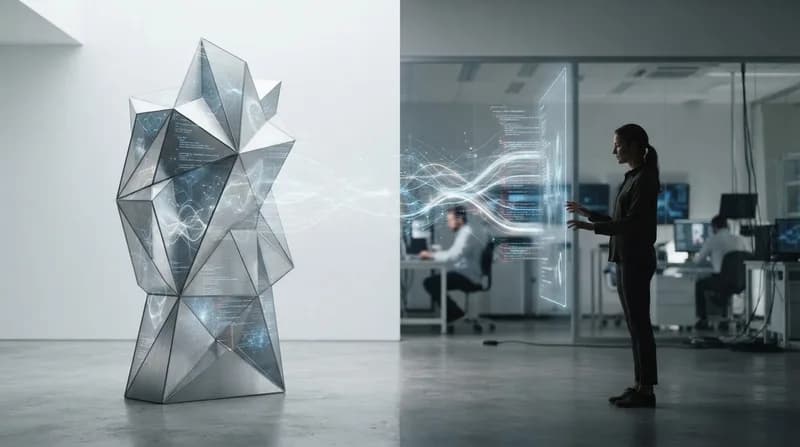
While Hark Pro is currently a software-first endeavor, the company has teased significant hardware developments on the horizon. Chowdhury has hinted at an AI-native device scheduled for a 2027 launch, promising a form factor that has never existed in the current market. By avoiding the typical wearable camera tropes that often plague AI gadgetry, Hark aims to solve what the team refers to as the "creep factor" of modern smart hardware.
Why It Matters
- Beyond Chatbots: Hark Pro transitions AI from a reactive text box to an active agent that handles end-to-end task completion.
- Transparency-First UX: By showing users how the agent interacts with web interfaces in real-time, the platform lowers the barrier to adoption for privacy-conscious individuals.
- Hardware Integration: The upcoming 2027 hardware release signals that Hark intends to bridge the gap between software capability and physical form, potentially moving away from the keyboard-and-mouse paradigm entirely.
Ultimately, Hark is betting that the future of computing lies in an OS designed specifically for AI. By prioritizing task-oriented results and building an infrastructure that understands the user’s digital habits without infringing on privacy, the company aims to move computing away from the standard terminal interfaces that have defined the last fifty years.