Building a Greener Future in Semarang
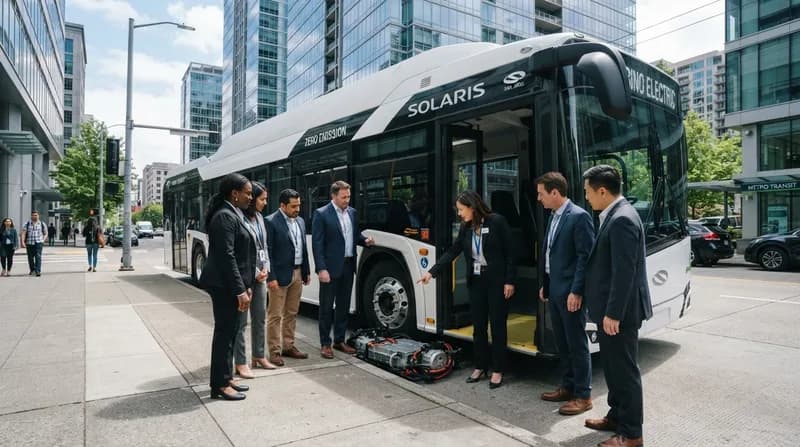
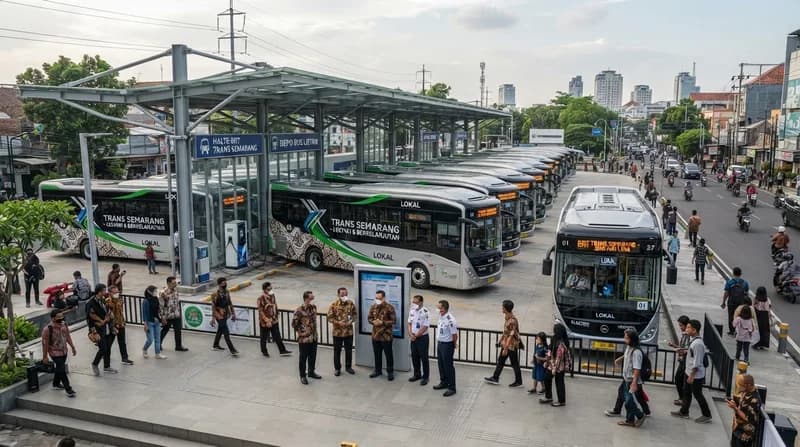
Semarang, the capital of Central Java, is making a major leap forward in sustainable urban transit. Trans Semarang, the city's public transport operator, has officially kicked off an initiative to introduce 27 new electric buses into its fleet. By prioritizing domestic collaboration, the project serves as a cornerstone for Indonesia’s growing electric vehicle ecosystem, demonstrating the country’s ability to handle high-level manufacturing, assembly, and supply chain logistics locally.
The buses are the result of a strategic partnership between two Indonesian companies: VKTR, which manages vehicle assembly, and Laksana Bus Manufaktur, which focuses on the specialized bus body design. The investment, totaling approximately 108 to 121.5 billion rupiah (roughly 5.3 to 6 million euros), highlights a significant commitment to reducing the city's carbon footprint while fostering local industrial capabilities.
Technical Specifications and Design
The new fleet consists of 12-meter low-floor buses designed to balance capacity with operational efficiency. Each unit is equipped with a 340 kWh battery pack, providing a maximum range of 250 kilometers on a single charge. To ensure the long-term health of the battery hardware, operators intend to maintain a state-of-charge window between 20 and 100 percent, which provides a practical daily range of 200 to 240 kilometers. This range is well-suited for the 29-kilometer Corridor 1 route between Mangkang Terminal and Penggaron Terminal, where the buses are currently being deployed.
Design considerations for these vehicles were heavily influenced by accessibility needs. The choice of a low-floor configuration is a direct response to demographic data, as elderly riders make up roughly 20 percent of the city's 35,000 daily passengers. This design choice ensures that public transportation remains inclusive, safe, and easy to access for all segments of the population.
Why it Matters
- Operational Efficiency: Early reports suggest the electric fleet could reduce operational costs by approximately 19 percent compared to traditional diesel-powered units.
- Phased Rollout: Following the successful launch of the first units, Trans Semarang expects to add three buses to the route every week, aiming for full fleet deployment by early November.
- Incentivized Adoption: To encourage ridership and introduce the public to the new technology, the city has waived fares on these electric buses through October 14.
Outlook and Implications
The introduction of these buses is more than just a logistical update; it represents a fundamental shift in how the city approaches municipal service. By moving away from fossil fuel dependence, Semarang is positioning itself as a leader in Indonesia's green transit revolution. The project serves as a blueprint for other cities in the region, proving that electric public transport can be both economically viable and socially inclusive. As the fleet expands over the coming months, the city aims to create a cleaner, quieter, and more reliable mobility network for all residents.