E-BUZZ ME Logo
ScienceTechnical Deep Dive

Self-Sampling Significantly Boosts HPV Detection and Screening Rates

Published
Self-Sampling Significantly Boosts HPV Detection and Screening Rates
1 min read165 words

The Gist

A new clinical trial reveals that offering patients the option to self-sample for HPV leads to a dramatic increase in high-risk virus detection and overall screening participation.

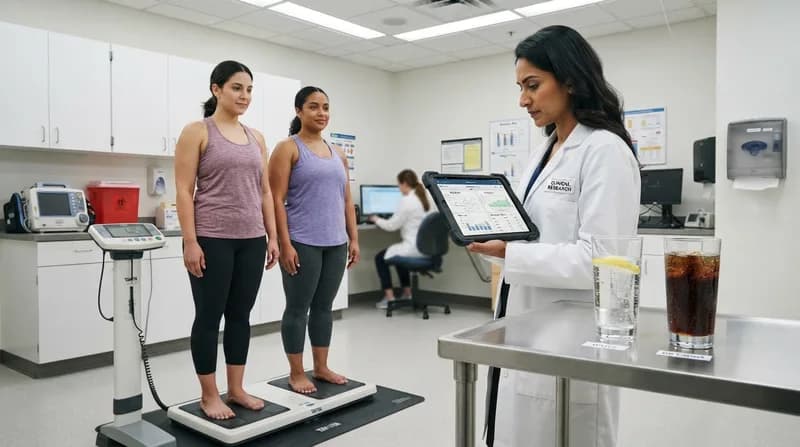
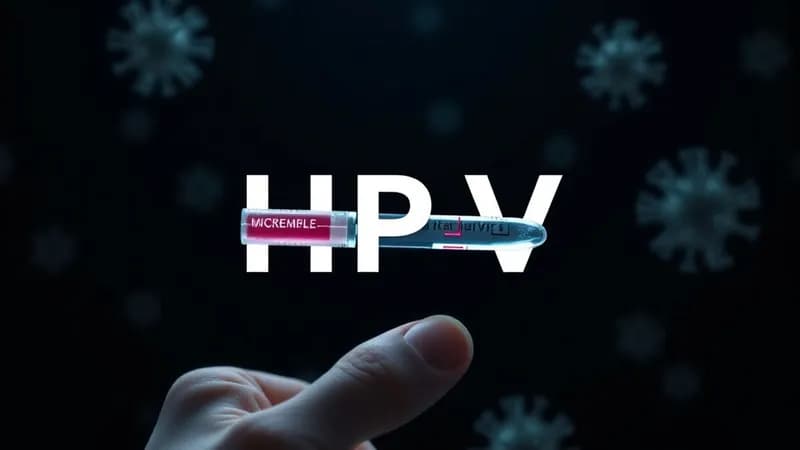
A randomized controlled trial conducted in Singapore has demonstrated that providing patients with the choice of self-sampling significantly improves cervical cancer screening outcomes. The study, published in The Annals of Family Medicine, compared the traditional clinician-only sampling method against a flexible approach offering both self-sampling and clinician-led options.

Improved Detection and Participation

The research findings highlight a substantial gap in effectiveness between the two methods. When patients were offered the choice of self-sampling, the detection rate for high-risk Human Papillomavirus (HPV) reached 3.1%, compared to a mere 0.3% in the group offered only clinician sampling. This indicates that self-sampling may capture cases that otherwise go undetected due to lack of screening.

Furthermore, the study observed a notable rise in overall screening uptake. Participation rates climbed to 56.6% when self-sampling was available, whereas only 42.8% of patients participated when limited to clinician-led procedures. These results suggest that patient-led sampling removes significant barriers to preventative care, potentially playing a vital role in future cervical cancer prevention strategies.


Related Stories

Semantically matched articles, ranked by topic overlap and freshness.

New Experimental Antiviral Pill Shows Promise in Halting Measles Transmission
Science60%

New Experimental Antiviral Pill Shows Promise in Halting Measles Transmission

A breakthrough antiviral treatment has successfully prevented the spread of a measles-like virus in animal trials, offering a potential new tool to contain future outbreaks.

Self-Repairing Bio-Textiles: Scientists Create Clothing From Living Fungi
Science58%

Self-Repairing Bio-Textiles: Scientists Create Clothing From Living Fungi

Researchers have developed a revolutionary biodegradable textile using the parasitic fungus Cordyceps militaris that can clean and repair itself.

U.S. Schools Struggle with Concussion Support for Returning Students
Science58%

U.S. Schools Struggle with Concussion Support for Returning Students

A new study reveals that many public schools lack the necessary policies and staff training to support students recovering from concussions.

GLP-1 Weight Loss Drugs Linked to Increased Risk of Hair Loss
Science58%

GLP-1 Weight Loss Drugs Linked to Increased Risk of Hair Loss

A large-scale study reveals that popular GLP-1 medications like Ozempic and Mounjaro may carry a higher risk of alopecia compared to other diabetes treatments.

Biological Age Linked to Weight Loss Success in New Study
Science57%

Biological Age Linked to Weight Loss Success in New Study

A recent study suggests that individuals with a biological age younger than their chronological age may lose more weight when following calorie-restricted diets.

Protect AI and Hugging Face Report: 4 Million Models Scanned for Security Risks
Artificial Intelligence57%

Protect AI and Hugging Face Report: 4 Million Models Scanned for Security Risks

Six months into their partnership, Protect AI and Hugging Face have analyzed over 4 million machine learning models to identify critical security vulnerabilities.

Ancient Egyptian Ape Fossil Challenges Established Human Evolutionary Timeline
Science57%

Ancient Egyptian Ape Fossil Challenges Established Human Evolutionary Timeline

A newly discovered fossil in northern Egypt suggests the ancestors of modern apes and humans may have emerged in North Africa rather than East Africa.

GPS Satellite Network Provides Two Decades of Space Radiation Data
Science57%

GPS Satellite Network Provides Two Decades of Space Radiation Data

A massive cross-calibration effort involving 25 GPS satellites has unlocked twenty years of continuous space radiation tracking.