Rivian has confirmed that the upcoming R2 model will utilize a 400-volt battery architecture, a decision driven primarily by the need to keep production costs down and the entry price competitive. While some enthusiasts expected a shift to 800-volt systems seen in premium rivals, early reports suggest the R2 remains a formidable performer at the plug.
Balance Between Cost and Speed
The choice of a 400-volt system is often associated with slower peak charging rates compared to higher-voltage alternatives. However, Rivian has optimized the R2's thermal management and charging curve to ensure that the vehicle can still sustain high intake levels. This allows the R2 to replenish its battery rapidly, even if it doesn't reach the theoretical peaks of luxury 800-volt EVs.
Road Tripping Reality
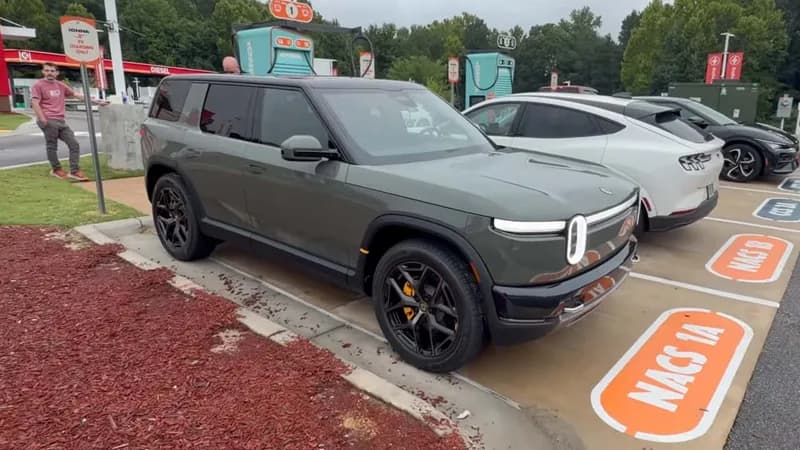
In real-world scenarios, the R2 is described as 'just fine' for long-distance travel. While it may not set new records for charging stops, its efficiency and the expanding Rivian Adventure Network—along with NACS compatibility for Tesla Superchargers—ensure a reliable experience. The strategy highlights Rivian's focus on mass-market viability without sacrificing the core performance that defines the brand.