The End of an Era for the Nevera
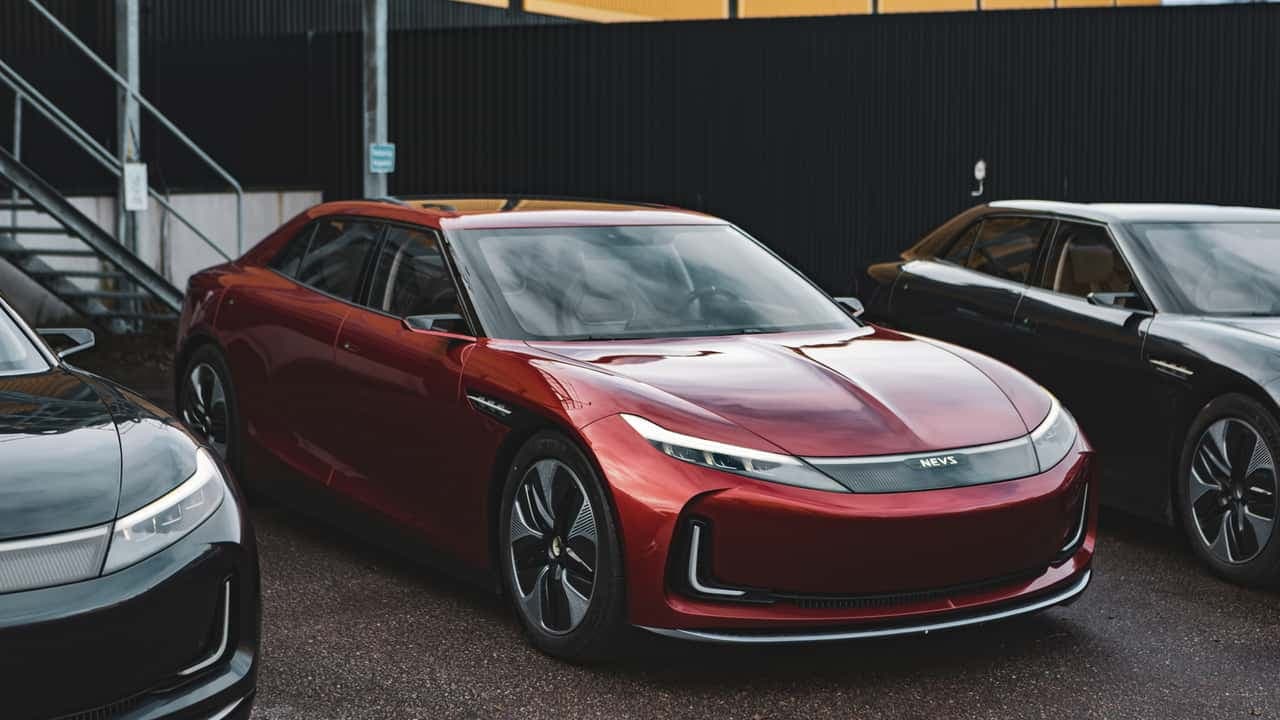
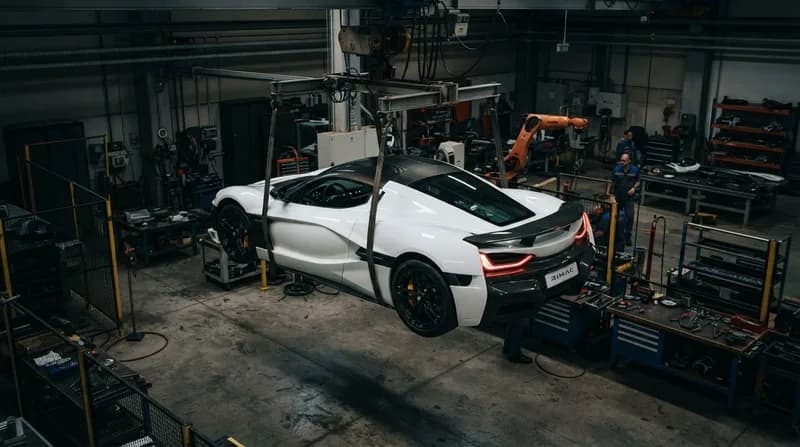
In a move that marks the end of a transformative chapter for the Croatian automaker, Rimac has officially announced that it is ceasing production of the Nevera electric hypercar. Despite an original plan to produce 190 units, the production line will close by the end of 2026 after completing only 71 vehicles. This total consists of 51 standard Nevera models and 20 examples of the high-performance Nevera R, the latter of which includes ten exclusive units from the Founder’s Edition.
While the truncated production run might be interpreted by some as a lack of commercial success, founder Mate Rimac maintains that the car has fulfilled its primary purpose. The Nevera was never merely a sales project; it was a technological proving ground. Its performance metrics, including a staggering 1,408 kW output and a top speed of 431.45 km/h, solidified its status as the world’s fastest and most accomplished electric hypercar, effectively proving the viability of high-performance electric propulsion to the global automotive industry.
The Shifting Landscape of Supercar Desire
The decision to retire the Nevera highlights a broader evolution in the luxury automotive market. As electric vehicles become increasingly common, the sheer force of sub-two-second acceleration is losing its novelty among the ultra-wealthy. Modern collectors are shifting their focus toward emotional resonance, legacy, and craftsmanship—traits traditionally associated with high-end mechanical timepieces rather than raw electronic speed.
Mate Rimac himself has noted that extreme electric acceleration is no longer a unique selling point, as even consumer-grade electric saloons now possess the capability to launch at speeds that once belonged exclusively to the hypercar domain. Consequently, Rimac’s strategy is pivoting. By transitioning away from the Nevera, the company is reallocating its resources toward a more diversified portfolio that balances high-voltage technology with the emotional allure of combustion engines, as seen in the new V16 hybrid Bugatti Tourbillon.
Why It Matters: Rimac's Strategic Transformation
- Proven Technology: The Nevera served as the essential R&D platform for Rimac Technology, enabling the development of advanced battery systems and drivetrains now being supplied to major automotive OEMs.
- Conglomerate Evolution: The company has successfully evolved from a niche boutique automaker into a broad technology powerhouse, managing battery production, autonomous taxi services via its Verne subsidiary, and the engineering of elite hybrid hypercars.
- Cultural Shift: The move signals that the "EV gold rush" for performance figures is cooling, with the industry moving toward a future where emotional connection and brand heritage play a larger role in vehicle differentiation.
Ultimately, the Nevera’s legacy will not be defined by its production volume, but by its role in laying the foundation for the Rimac Group. With the launch of the new Rimac Campus in Zagreb and the commencement of commercial operations for Verne’s autonomous shuttles, Rimac is positioning itself to lead the next generation of mobility rather than focusing solely on the hypercar market of the past.