A Strategic Industrial Pivot
Renault Group is significantly doubling down on its commitment to electric mobility by announcing a major labor force expansion within its French production facilities. To meet the accelerating market demand for popular electric models like the Renault 5 and the Scénic, the company plans to bring on 2,000 new permanent production staff over the next two years. This transition marks a departure from the company’s previous reliance on temporary labor, signaling a long-term confidence in the electrified automotive sector.
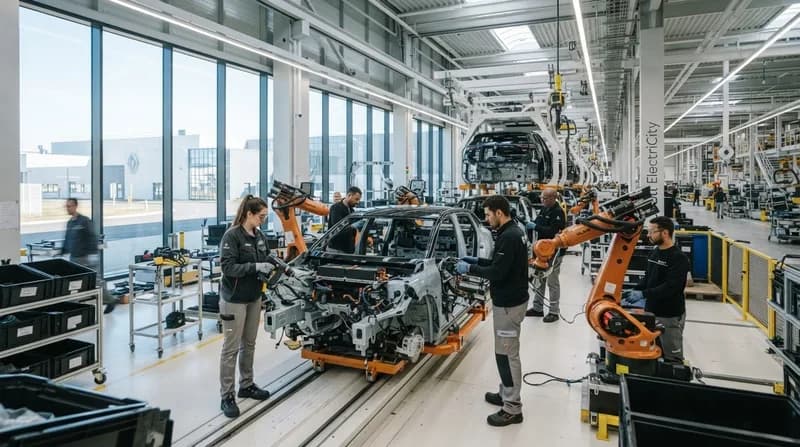
The expansion is primarily focused on scaling assembly operations, which have seen a massive surge in activity. At the Douai facility alone, operations have increased from a single shift to a robust three-shift daily rotation in less than 24 months. By converting temporary roles into permanent contracts and bringing in fresh talent, Renault aims to solidify its industrial footprint and improve operational efficiency across its domestic manufacturing sites.
The Breakdown of New Production Roles
The recruitment drive is categorized by specific needs to ensure the manufacturing lines remain highly productive and technically capable. The 2,000 positions are segmented as follows:
- Skilled Assembly Workers: 1,650 positions dedicated to the core manufacturing floor.
- Production Support Staff: 250 roles aimed at maintaining logistical and technical efficiency.
- Graduate Training Programs: 100 spots reserved for university graduates to foster the next generation of automotive engineering talent.
Geographically, these roles are strategically distributed to bolster Renault’s key hubs: 600 workers will be added in Douai, 250 in Maubeuge, and 300 each in the Sandouville and Batilly plants.
Efficiency and Administrative Restructuring
While the factory floor expands, Renault is simultaneously pruning its administrative branches. The company has announced intentions to reduce its office-based headcount by up to 1,000 employees. However, this is not a program of forced layoffs; instead, the manufacturer is utilizing voluntary departure packages and early retirement incentives. This administrative thinning is designed to lean out the company’s corporate structure as it shifts resources toward high-growth EV development.
Why it Matters
This organizational shift is a centerpiece of the “France Industrie FutuREady” initiative. By aligning its workforce with the realities of the EV transition, Renault is attempting to navigate the high costs of electrification while maintaining a competitive edge in Europe. The move follows a massive ten-billion-euro investment announcement made in October, which sets the stage for a five-year push toward producing more affordable, mass-market electric vehicles.
As Renault enters negotiations with trade unions later this month, the primary focus remains on balancing industrial growth with social responsibility. By trading administrative overhead for skilled assembly expertise, the automaker is clearly signaling where it believes the future of the automotive industry lies: on the production line.