The Shift Toward Silicon-Carbon Anodes
The electric vehicle industry is on the cusp of a significant material evolution as Panasonic and Sila Nanotechnologies solidify their long-term partnership. By transitioning from traditional graphite anodes to a advanced silicon-carbon composite, the duo aims to address two of the most persistent bottlenecks in EV adoption: charging speed and total energy density. This offtake agreement marks a pivotal step in scaling the domestic production of battery components that are critical for next-generation vehicle architectures.
Silicon has long been considered the 'holy grail' of battery materials because it can theoretically hold significantly more lithium ions than graphite, the current industry standard. However, the technology was historically hindered by the tendency of silicon to swell and degrade during charge cycles. Sila’s proprietary Titan Silicon technology addresses this durability challenge, engineering the material to behave similarly to graphite during the expansion and contraction cycles, while maintaining the massive capacity benefits of silicon.
Scaling Domestic Manufacturing
The collaboration between these two entities is not a sudden development; it is the culmination of years of testing and procurement planning that began in 2023. Sila’s manufacturing footprint is the backbone of this operation. Their facility in Washington, which reached operational status in late 2025, serves as the initial hub for these high-performance materials. Currently, the plant boasts an output capacity of approximately 2 Gigawatt-hours (GWh) of anode material, which is sufficient to support the manufacturing of roughly 26,000 electric vehicle battery packs, assuming a standard 75 kWh configuration.
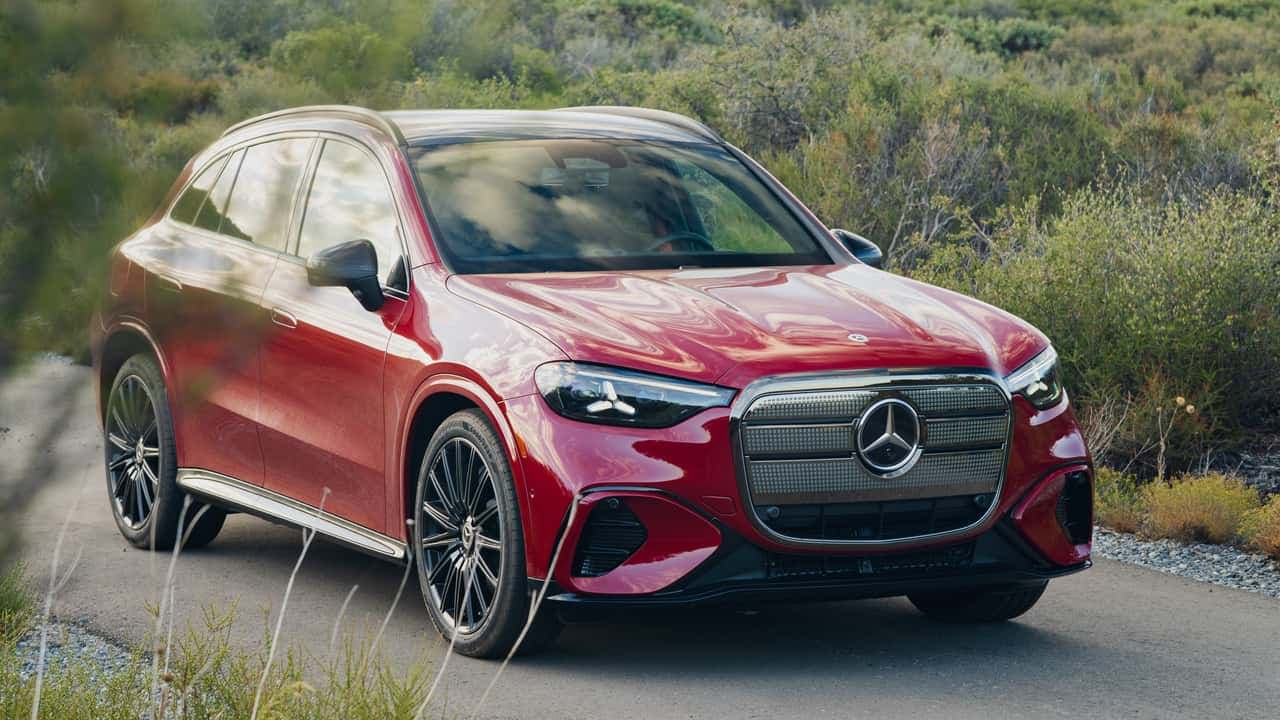
The roadmap for growth, however, is much more ambitious. Supported by fresh capital injections, Sila has set its sights on expanding its production capacity to an impressive 250 GWh. This massive scale-up is designed to meet the growing demands of major automakers—including Mercedes-Benz, Porsche, and General Motors—who are increasingly integrating silicon-based cells into their platforms to improve vehicle range and weight efficiency. The current deal provides Panasonic with the option to procure over $1 billion in these high-tech materials as production volumes climb.
Why It Matters
- Enhanced Performance: Silicon-carbon anodes allow for higher energy density, meaning cars can travel further on a single charge without increasing the physical weight of the battery pack.
- Faster Charging: The chemical properties of the material facilitate faster ion movement, helping to shorten the wait time at high-voltage charging stations.
- Supply Chain Resilience: By anchoring production within the United States, the partnership reduces reliance on international supply chains and supports the growing domestic EV ecosystem.
- Technological Maturation: Having already proven the efficacy of this anode tech in high-end consumer wearables like fitness trackers, Sila is now successfully crossing the threshold into the rigorous demands of the automotive sector.
As the automotive sector moves away from conventional graphite, this partnership between Panasonic and Sila stands as a critical bellwether for the future of battery technology. By solving the expansion issues that once plagued silicon, the industry is paving the way for lighter, more efficient, and faster-charging vehicles that could reshape the consumer perception of electric mobility.