The Shift to In-House LFP Production
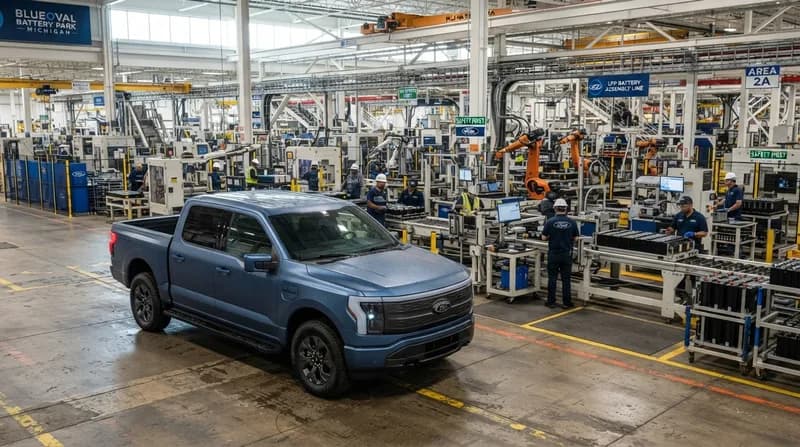
Ford has officially entered a new chapter in its electrification journey, confirming that the first lithium iron phosphate (LFP) cells are now rolling off the production lines at the BlueOval Battery Park in Marshall, Michigan. This development signals the successful conclusion of the facility's pilot phase and marks a strategic move by the automaker to bring critical battery manufacturing expertise in-house. By utilizing technology licensed from Chinese battery giant CATL, Ford is effectively bypassing traditional joint-venture limitations, giving the company greater control over its supply chain and long-term manufacturing costs.
These prismatic cells are currently being transported to Ford’s vehicle plant in Louisville, Kentucky, where they are being integrated into prototypes of the upcoming Ford Fathom. The Fathom represents more than just a new vehicle; it is the flagship model for Ford’s Universal EV Platform, a architecture specifically engineered to lower the barrier to entry for electric vehicle ownership. The transition to LFP chemistry reflects a major pivot from Ford’s reliance on nickel-cobalt-manganese (NCM) cells, favoring the durability, lower cost, and material accessibility that LFP provides.
The Ford Fathom: Redefining Affordable Electrification
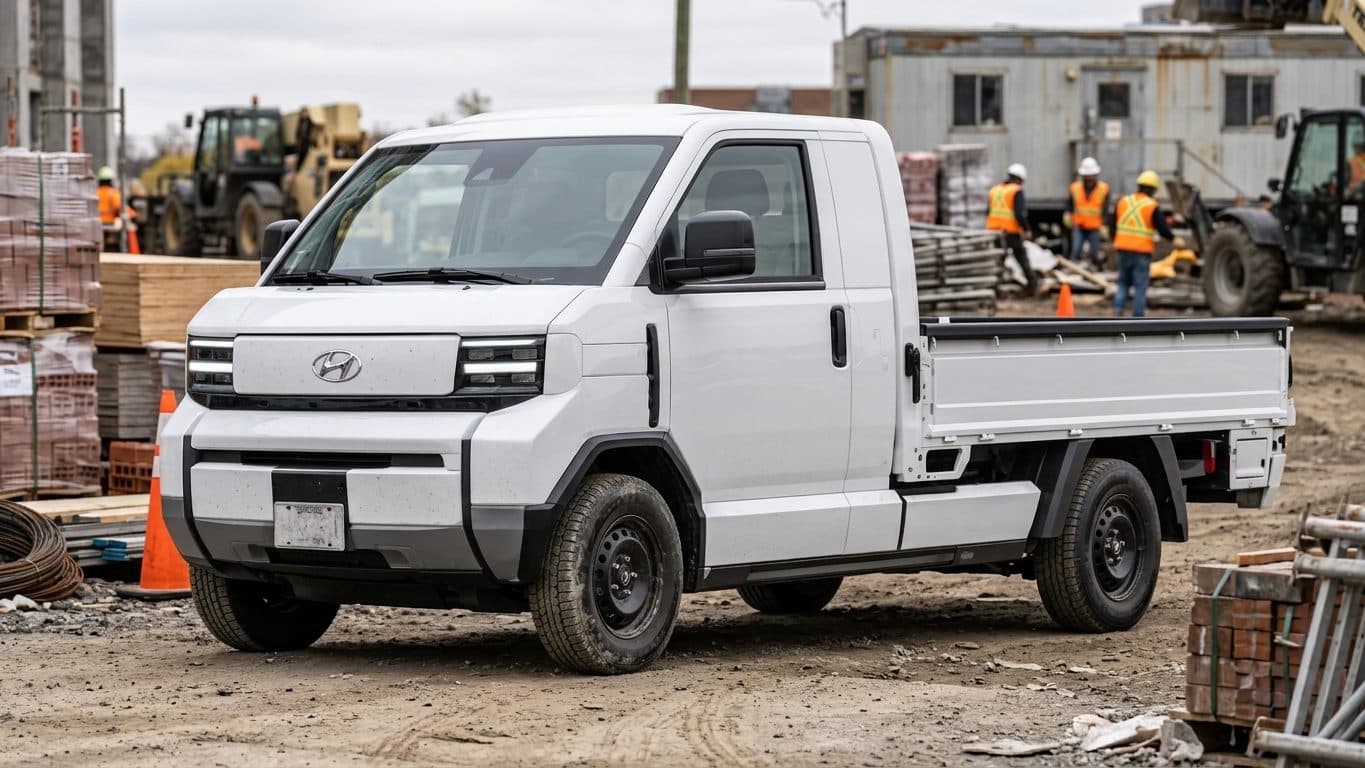
The Ford Fathom is set to become a cornerstone of the company’s 2027 product lineup. Positioned as a four-door electric pickup, the vehicle is designed to prove that electric mobility can remain accessible to the mass market. With a targeted base price of $28,350—which stays just under the $30,000 threshold when including the mandatory $1,595 destination charge—Ford is aiming to deliver a product that balances performance with economic feasibility.
Engineers have optimized the Fathom through an aggressive efficiency-first design philosophy. Rather than chasing range through the sheer size and weight of massive battery packs, Ford is leveraging its new platform to reduce weight and overall vehicle footprint. The Universal EV Platform itself is a marvel of manufacturing efficiency, requiring approximately 20 percent fewer components and 25 percent fewer connecting elements than standard automotive platforms. A new zonal electronic architecture further simplifies the vehicle’s internal systems, consolidating numerous functions into centralized modules to reduce complexity and costs.
Why It Matters: Efficiency Over Scale
- Cost Optimization: LFP batteries are cheaper to produce and utilize more abundant materials, allowing Ford to target sub-$30k pricing.
- Manufacturing Sovereignty: By operating its own plant in Michigan, Ford is building internal expertise for both its vehicle fleet and future stationary battery energy storage applications.
- Structural Integration: The Fathom will feature batteries integrated directly into the vehicle structure, a design choice meant to maximize range without the need for oversized, heavy packs.
- Strategic Diversification: This move breaks away from the NCM-heavy legacy, creating a foundation for future chemistries like lithium-manganese-rich (LMR) batteries.
As the company prepares for the Fathom’s 2027 market debut, the focus remains on ramping up battery pack assembly within Michigan. While the initial goal for the BlueOval Battery Park was set at an ambitious 35 GWh, Ford has adjusted its targets to 20 GWh, focusing on a sustainable production scale that balances job creation—estimated at 1,700 positions—with the evolving demands of the global electric vehicle market. Whether the Fathom will eventually reach international markets remains a question for the future, but the hardware foundations currently being established in Michigan are clearly designed to scale well beyond a single domestic model.