E-BUZZ ME Logo
ScienceTechnical Deep Dive

Next-Gen Alzheimer’s Antibody Reduces Risk of Serious Brain Bleeds

Published
Next-Gen Alzheimer’s Antibody Reduces Risk of Serious Brain Bleeds
1 min read176 words

The Gist

A breakthrough antibody treatment promises more efficient brain penetration and a significantly lower risk of dangerous side effects compared to current Alzheimer's therapies.

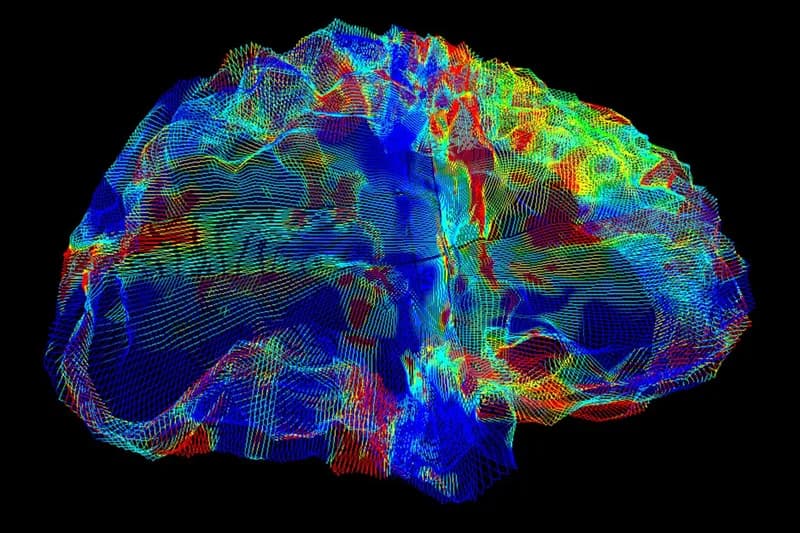
Researchers have developed a next-generation antibody drug designed to combat Alzheimer's disease with greater precision and safety. This new therapy focuses on more efficiently crossing the blood-brain barrier, a major hurdle for existing treatments that often require high doses to be effective.

Enhanced Safety Profile

One of the most significant advantages of this new drug is the reduction in serious side effects. Current Alzheimer's treatments are frequently associated with amyloid-related imaging abnormalities (ARIA), which can manifest as brain bleeds or swelling. By improving the efficiency with which the drug enters the brain, scientists have managed to lower the risk of these dangerous complications while still targeting the underlying pathology of the disease.

Slowing Disease Progression

The therapy works by identifying and clearing toxic protein buildups in the brain. Because the drug is more potent at lower concentrations, it offers a promising path toward slowing cognitive decline without the high physiological cost of first-generation antibody treatments. Clinical observations suggest that this approach could redefine the standard of care for patients in the early stages of the disease.

Related Stories

Semantically matched articles, ranked by topic overlap and freshness.

Working Memory Rapidly Re-Prioritizes After Distractions, New Study Reveals
Science67%

Working Memory Rapidly Re-Prioritizes After Distractions, New Study Reveals

A new study highlights the brain's remarkable ability to swiftly update working memory priorities to maintain focus on immediate tasks despite frequent interruptions.

Innovative Eye Implant and High-Tech Glasses Approved to Combat Vision Loss
Science66%

Innovative Eye Implant and High-Tech Glasses Approved to Combat Vision Loss

A breakthrough eye implant and smart glasses system has received European regulatory approval, offering hope to those suffering from severe age-related vision loss.

The Impact of Ultra-Processed Foods on Long-Term Brain Health
Science64%

The Impact of Ultra-Processed Foods on Long-Term Brain Health

New research highlights a concerning link between ultra-processed diets and increased risks of depression, anxiety, and dementia.

Innovative Treadmill Therapy Shows Promise for PTSD Recovery
Science64%

Innovative Treadmill Therapy Shows Promise for PTSD Recovery

Researchers at the University of Alberta have found that combining physical motion with memory confrontation significantly improves PTSD treatment outcomes.

Mapping the Mind: Two Neural Pathways Explain Habit Formation
Science62%

Mapping the Mind: Two Neural Pathways Explain Habit Formation

New research identifies the specific brain mechanisms that transition deliberate actions into automatic routines, explaining why some habits feel harder to break than others.

Chinese University Probes Alleged Death in Gene-Editing Trial
Science62%

Chinese University Probes Alleged Death in Gene-Editing Trial

A Chinese university is investigating reports that a 6-year-old girl died during a gene-editing trial, an incident allegedly omitted from published research.

Ancient 500,000-Year-Old Elephant Bone Hammer Rewrites Early Human Toolmaking History
Science60%

Ancient 500,000-Year-Old Elephant Bone Hammer Rewrites Early Human Toolmaking History

A rare discovery in England reveals that ancient humans crafted reusable hammers from elephant bone to sharpen stone tools nearly half a million years ago.

Ebola Cases Surpass 3,000 in Democratic Republic of Congo Outbreak
Science60%

Ebola Cases Surpass 3,000 in Democratic Republic of Congo Outbreak

Health officials in the DR Congo report a massive surge in Ebola infections, with cases exceeding 3,000 following a rapid spike in the last 10 days.