A Breakthrough in Understanding APOE4
For decades, the APOE4 gene has been recognized as the most significant genetic risk factor for Alzheimer's disease, yet the precise mechanisms of its destruction remained elusive. New research from the Icahn School of Medicine at Mount Sinai has finally peeled back the curtain, revealing that APOE4 does not merely correlate with neurodegeneration—it actively orchestrates a destructive process that may, in fact, be reversible. Published in the journals Cell and Cell Stem Cell, these studies provide a vital roadmap for potential new treatments targeting vascular health and protein clearance.
Vascular Damage: A Proactive Disease Driver
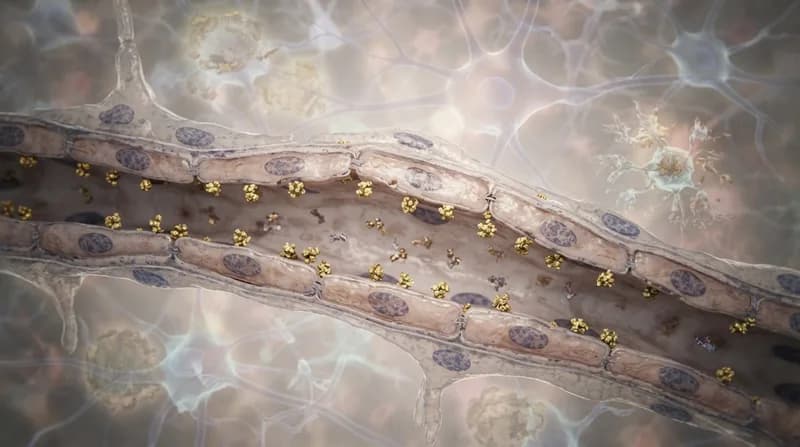
Traditionally, vascular deterioration in the brain has been dismissed as a secondary consequence of Alzheimer's. The Mount Sinai team has challenged this assumption by creating a single-cell transcriptomic atlas of human brain blood vessels. This map revealed that APOE4 forces a dangerous transformation in pericytes—cells essential for stabilizing blood vessels and maintaining the blood-brain barrier. Under the influence of the APOE4 gene, these support cells convert into myofibroblast-like cells, effectively creating scar tissue that inhibits proper circulation and fosters amyloid accumulation.
Crucially, the researchers demonstrated that this transition is not necessarily permanent. By blocking TGF-β signaling, which governs the communication responsible for this tissue remodeling, the team successfully restored pericyte function and reduced the buildup of harmful amyloid in aged mouse models. This discovery reframes vascular degradation as a biologically active, treatable process rather than an inevitable outcome of aging.
Disrupting the Cellular Waste Disposal
In a second, parallel study, investigators examined how APOE4 impairs the brain's internal cleaning systems. Utilizing innovative "miBrains"—three-dimensional human brain tissue models derived from stem cells—researchers observed that APOE4 triggers an accumulation of cholesterol within astrocytes. These glial cells are tasked with vital maintenance, but the lipid buildup severely disrupts their lysosomal waste-disposal pathways. As the astrocytes lose their ability to process debris, harmful proteins like alpha-synuclein begin to aggregate and spread to neurons, a hallmark of both Parkinson’s disease and Lewy body dementia.
The Role of miBrains in Future Therapeutics
The development of the miBrain platform is a significant technical leap for neuroscientific research. These cryopreservable, lab-grown tissue models replicate complex human brain architecture, allowing scientists to monitor cellular interactions in real time. Because these models include neurons, glial cells, and vascular components, they provide an unprecedented look at how disease mechanisms evolve long before clinical symptoms appear in a patient.
Looking ahead, the scalability of this platform offers a path toward personalized medicine. By generating miBrains from individual patient stem cells, researchers hope to predict how specific patients will respond to novel drug candidates. This, combined with the identification of lipid metabolism and waste removal as viable therapeutic targets, provides a new sense of optimism in the fight against neurodegenerative disorders.
Why It Matters
- Reverses the narrative that vascular damage is merely a passive symptom of Alzheimer's.
- Identifies TGF-β signaling and cholesterol metabolism as specific, druggable targets.
- Introduces miBrains as a high-fidelity platform for drug discovery and personalized patient testing.
- Connects the dots between genetic predisposition (APOE4) and physical cellular decay.