A Front-Line Crisis for Global Health
For years, the public conversation surrounding climate change has focused on respiratory issues, cardiovascular stress, and heat-related exhaustion. However, a landmark study presented at the European Academy of Dermatology and Venereology (EADV) Congress 2026 suggests we have been overlooking our body’s largest organ: the skin. According to the Global Access to Skin Health Observatory study, which encompassed data from 136 countries, the changing environment is already significantly altering the landscape of dermatological health worldwide.
The data paints a concerning picture: over 40% of the countries surveyed reported measurable shifts in the prevalence or severity of skin diseases. While the phenomenon is global, the burden is far from evenly distributed. The research highlights a clear socioeconomic divide, where lower-income and lower-middle-income nations are experiencing climate-driven dermatological impacts at rates exceeding 50%, compared to just 28.3% in high-income nations. This disparity underscores a systemic vulnerability where those least responsible for environmental degradation are facing the most acute health consequences.
The Mechanisms of Dermatological Change
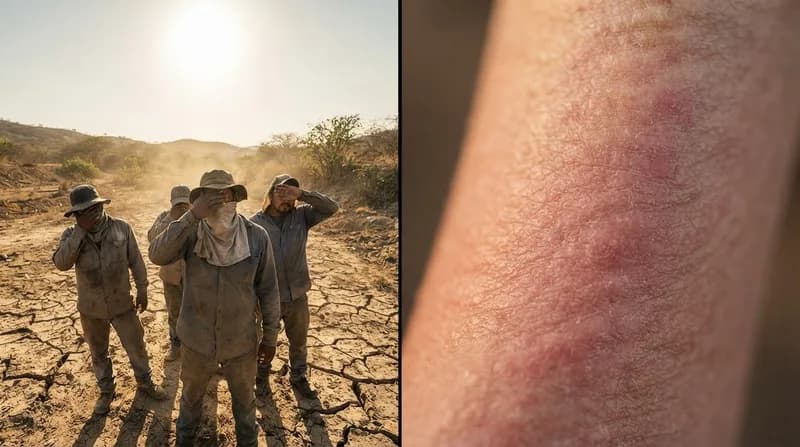
Dr. Esther Freeman, the lead author of the study, identifies several key drivers behind these alarming trends. The skin, acting as the body’s primary barrier to the outside world, is inherently susceptible to rising temperatures and fluctuating humidity. These changes can increase sweating, which in turn leads to chronic skin irritation and flare-ups of existing conditions. Furthermore, the combination of extreme heat and air pollution is acting as a catalyst for systemic inflammation, complicating the management of chronic dermatological issues.
Beyond direct exposure, the study highlights a significant shift in infectious disease patterns. Altered temperature and rainfall cycles are rapidly changing the habitats of insects such as ticks and mosquitoes. As these vectors expand into new geographical regions, they bring with them a host of infectious diseases that manifest on the skin, creating new clinical challenges for regions that previously lacked the surveillance infrastructure to manage them.
Why It Matters: Bridging the Adaptation Gap
- Disproportionate Impact: Low-income countries are significantly more likely to report climate-linked skin issues, often possessing the least resources to address them.
- Surveillance Gaps: In regions like Africa, nearly 43% of respondents reported uncertainty regarding climate impacts on skin health, suggesting a critical need for better data collection.
- Shift in Disease Profiles: Among affected nations, 81% reported a rise in heat rashes, while 75.9% observed increases in inflammatory conditions and 62.1% noted shifts in infectious dermatological pathogens.
- Healthcare Preparedness: The researchers urge that skin health be integrated into broader climate-health preparedness strategies, moving beyond traditional medical focus areas.
Implications for Future Policy
The path forward requires a shift in how public health agencies approach climate resilience. Because skin conditions are often treated as secondary concerns, they are frequently excluded from national climate-health response plans. The study’s authors argue that we must strengthen global surveillance systems to detect these changes in real-time. This includes comprehensive education for healthcare providers in resource-limited settings and the development of localized adaptation strategies that account for specific regional climate risks.
Ultimately, the report serves as a wake-up call for the international community. Treating skin health as a central pillar of climate-health preparedness is no longer optional; it is a necessity for protecting populations against a rapidly changing environment. By improving public awareness and bolstering the dermatological capacity of health systems in high-risk areas, the global community can begin to mitigate the growing burden of climate-related skin disease.