Revolutionizing Bladder Cancer Detection
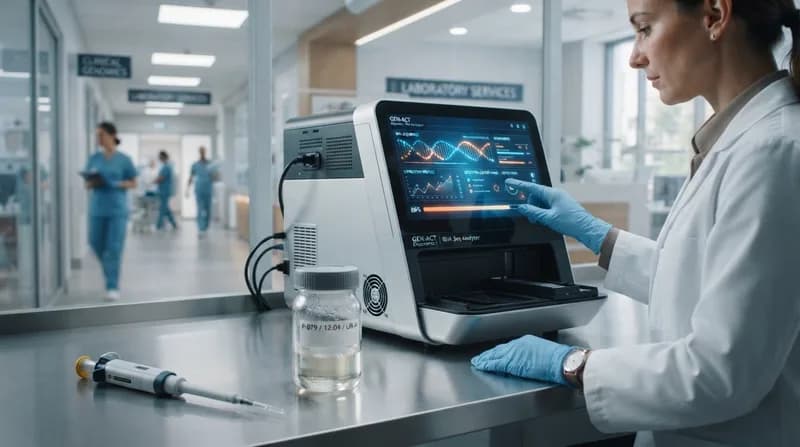
Researchers at Stanford Medicine and the VA Palo Alto Health Care System have unveiled a significant advancement in oncology diagnostics. Their new liquid biopsy approach, known as uRARE-seq, moves beyond traditional DNA-based testing by focusing on RNA messages shed by tumor cells into urine. By analyzing these genetic signatures, the test provides a highly accurate way to detect bladder cancer while simultaneously revealing critical information about the tumor's biological activity, which standard methods often miss.
For the approximately 85,000 Americans diagnosed with bladder cancer annually, the current standard of care involves regular cystoscopies—an invasive, uncomfortable procedure that can miss up to 30% of cases. The uRARE-seq test offers a promising non-invasive alternative that not only flags the presence of disease but also tracks its progression with remarkable precision, potentially reducing the need for frequent, taxing surveillance procedures.
How uRARE-seq Outperforms DNA Liquid Biopsies
The primary advantage of using RNA over DNA lies in how the molecules reveal a tumor's behavior. While DNA-based biopsies look for mutations, they often struggle with the 'field effect' in the bladder, where normal lining cells accumulate mutations that can result in false positives. Because RNA reflects which genes are actively being expressed by a cancer cell, it provides a functional readout of the disease without requiring a pre-sequenced tumor sample for comparison.
Developing this technology required overcoming significant obstacles, as RNA molecules in urine are often fragmented and exist in low concentrations. The research team adapted advanced genetic sequencing methods originally designed for blood plasma to create a custom gene panel. This panel specifically targets rare RNA signatures that indicate the presence of genitourinary tumors, successfully distinguishing between low-grade and high-grade bladder cancers in clinical testing.
Predicting Treatment Response
Beyond diagnostics, the uRARE-seq test addresses a long-standing challenge in urology: predicting patient response to Bacillus Calmette-Guérin (BCG) immunotherapy. BCG is a standard treatment for bladder cancer, but it is not effective for everyone and is prone to global supply shortages. Currently, clinicians have no reliable way to pre-screen patients who will benefit from the therapy.
In the study, researchers discovered that patients who responded well to BCG treatment displayed pretreatment urine samples rich in specific T-cell and immune-signaling RNA messages. Conversely, non-responders showed signatures of rapidly dividing tumor cells. This biomarker discovery allows doctors to potentially reserve scarce BCG resources for those most likely to respond, while fast-tracking non-responders to chemotherapy. This personalized approach to oncology aims to reduce physical and financial burdens while improving overall patient outcomes through more efficient treatment allocation.
Why it Matters
- Non-Invasive Surveillance: Replaces or augments invasive cystoscopy procedures.
- Treatment Optimization: Predicts response to BCG immunotherapy, allowing for better clinical decision-making.
- Higher Precision: Achieved 95% sensitivity for localized bladder cancer in a study of 683 samples.
- Addressing Shortages: Enables targeted allocation of vital medications like BCG during global supply chain constraints.