A Paradigm Shift in Neuro-Oncology
In a significant advancement for medical diagnostics, a team of researchers and clinicians at Newcastle University, in collaboration with Newcastle Hospitals, has begun implementing a pioneering diagnostic test for brain tumors. This innovation promises to dramatically reduce the waiting period for critical health data, potentially shortening the timeline for diagnosis from several weeks to just a few hours. Given that brain tumors remain the leading cause of cancer-related mortality in both children and adults under the age of 40, this shift represents a substantial improvement in the standard of care for thousands of patients.
Currently, the standard diagnostic procedure involves sending tumor tissue samples extracted during surgery to specialized labs for intensive analysis. While these traditional methods are highly accurate, the duration of the process—often spanning weeks—delays the commencement of targeted, life-saving cancer treatments. By integrating advanced genomic technology into the clinical workflow, the Newcastle team aims to provide clinicians with the actionable data they need to make rapid, informed decisions, thereby reducing the immense emotional and psychological strain on patients and their families.
The Technology Behind the Breakthrough
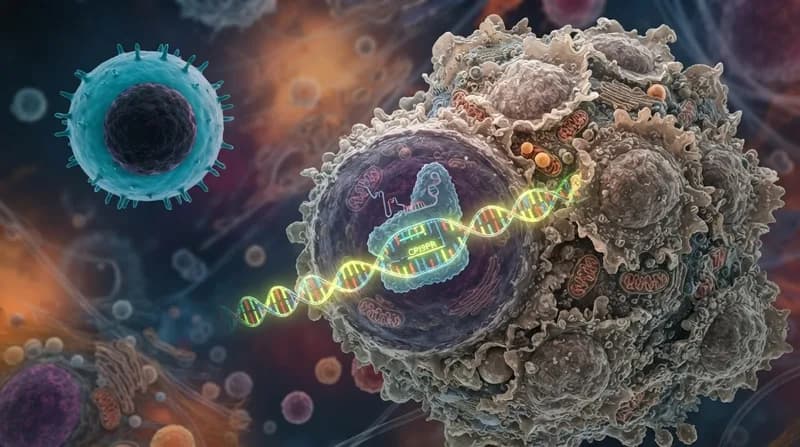
The core of this diagnostic leap lies in the application of nanopore genetic sequencing combined with a specialized software platform known as ROBIN. This digital and biological pairing allows for the rapid analysis of a tumor's DNA, providing a comprehensive genetic profile that identifies the specific type of tumor from over 100 known variations. Because effective cancer treatment is highly dependent on the precise identification of the malignancy, this rapid sequencing acts as a gatekeeper for timely therapeutic intervention.
The current two-year project is designed to evaluate the practical efficacy of this test within the National Health Service (NHS) infrastructure. As an "early adopter," the Newcastle center is gathering critical evidence on whether the test remains reliable and scalable within busy, real-world hospital environments. The ultimate objective is to refine the workflow so that surgeons can receive provisional results while the patient is still in the operating room, marking a future where immediate, data-driven surgery becomes the norm.
Why it Matters
- Speed of Care: Reducing the diagnosis window from weeks to days or even hours ensures that patients receive the most effective, personalized treatment sooner.
- Genomic Precision: The use of nanopore technology provides a granular look at tumor DNA, essential for identifying the specific mutation profiles needed for modern, targeted oncology.
- Reduced Clinical Anxiety: By minimizing the "waiting period," the test alleviates a significant portion of the trauma associated with a cancer diagnosis for families.
- Systemic Efficiency: If successful, the rollout could revolutionize how diagnostic laboratories across the country handle neuro-oncology samples, moving toward a more centralized and rapid genetic testing model.
Future Outlook
Building on a successful pilot program that analyzed 40 different tumor types across various age groups, the project is moving into a high-stakes evidence-gathering phase. Clinical experts like Professor Simon Bailey of pediatric neuro-oncology suggest that the potential for rapid diagnosis will not only accelerate physical treatment plans but also provide families with the clarity needed to navigate their lives during a health crisis. As this technology matures, it stands to become a foundational component of modern precision medicine, setting a new benchmark for how effectively we can respond to one of medicine's most aggressive challenges.