ScienceTechnical Deep Dive

NASA Greenlights Four Commercial Moon Missions to Anchor Future Lunar Base

Published
EElectricBuzz Editorial Team
NASA Greenlights Four Commercial Moon Missions to Anchor Future Lunar Base
1 min read170 wordsElectricBuzz Editorial Team

The Gist

“NASA awards nearly $600 million for late 2028 commercial landings aimed at establishing a permanent human presence on the Moon.”

NASA is accelerating its lunar exploration timeline, awarding nearly $600 million for four upcoming commercial Moon landings scheduled for late 2028. These missions represent a critical step in the agency's strategy to move beyond short-term visits and establish a permanent lunar base.

Standardized Science for Lunar Safety

Each of the four selected missions will carry an identical suite of three specialized science instruments. These tools are designed to address the primary challenges of sustained lunar activity: improving precision navigation, analyzing the behavior of hazardous lunar dust disturbed during landings, and mapping the radiation environment across the Moon's surface.

Building the Infrastructure

The announcement also detailed broader plans for the necessary infrastructure to support a long-term colony. This includes the development of new lunar rovers for surface mobility, a network of communication satellites to ensure constant contact with Earth, and additional cargo flights to transport essential supplies. By investing in these commercial partnerships, NASA is laying the technical and logistical groundwork for a sustainable human outpost on the lunar south pole.


SPONSORED
The 5 Best Over-Ear ANC Headphones of 2026, Tested & Ranked
Editor's Pick Guide
92/100
Tech & Gadgets•12 min read

The 5 Best Over-Ear ANC Headphones of 2026, Tested & Ranked

We locked five over-ear ANC picks for 2026 — Sony WH-1000XM6, Bose QuietComfort Ultra 2, Soundcore Space One, Sennheiser Momentum 5, and Apple AirPods Max 2 — then stress-tested them on lab metrics, long-term owner truth, and live street prices.

Related Stories

Semantically matched articles, ranked by topic overlap and freshness.

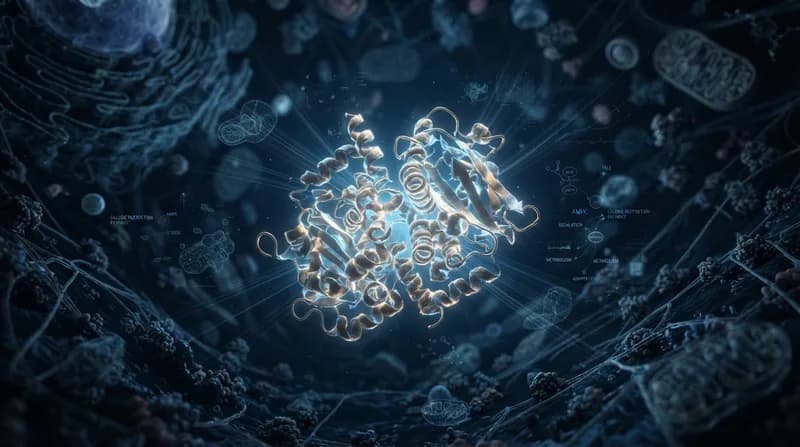
Yale Researchers Uncover a Biological 'Shortcut' to Longevity
Science

Yale Researchers Uncover a Biological 'Shortcut' to Longevity

A breakthrough study reveals that targeting a specific immune protein could mimic the anti-aging benefits of calorie restriction without the need for strict dieting.

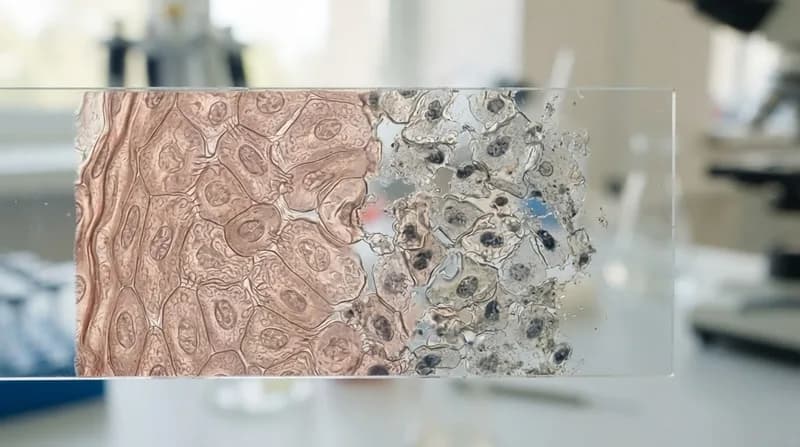
The Allergy Revolution: Is a Cellular Power Failure to Blame?
Science

The Allergy Revolution: Is a Cellular Power Failure to Blame?

New research suggests that allergies may not stem from an overactive immune system, but rather from a fundamental bioenergetic collapse within our protective barrier cells.

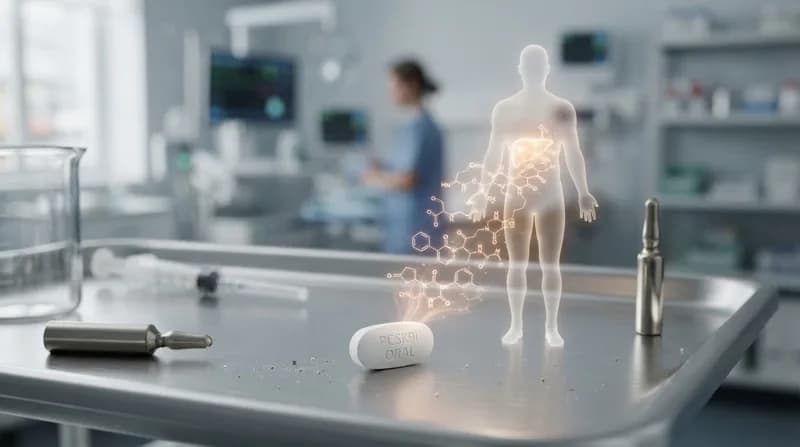
Lipfendra Breakthrough: The First Oral PCSK9 Inhibitor Revolutionizes Cholesterol Care
Science

Lipfendra Breakthrough: The First Oral PCSK9 Inhibitor Revolutionizes Cholesterol Care

FDA-approved Lipfendra (enlicitide) marks a major medical milestone, offering the efficacy of injectable cholesterol treatments in a simple, once-daily pill.

The Conversational Gap: Why We Mistakenly Believe Women Multitask Better Than Men
Science

The Conversational Gap: Why We Mistakenly Believe Women Multitask Better Than Men

New research challenges the long-standing stereotype that women are inherently better at juggling tasks, pointing instead to a specific difference in conversational behavior.

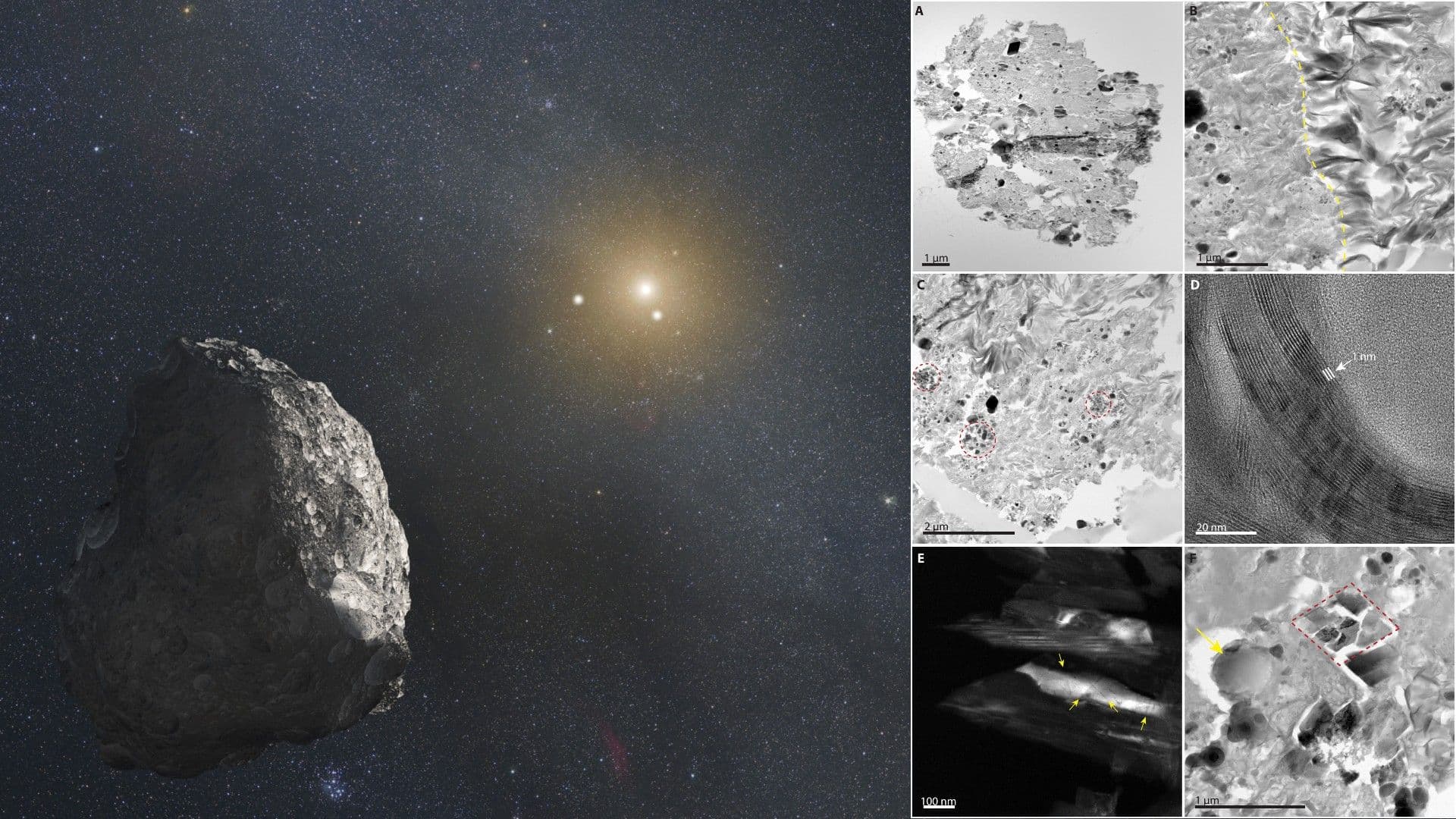
Stellar Time Capsules: Rare Dust Grains Reveal Hidden Water at the Solar System's Edge
Science

Stellar Time Capsules: Rare Dust Grains Reveal Hidden Water at the Solar System's Edge

A dozen microscopic dust grains captured in Earth's stratosphere are rewriting the history of our solar system by exposing a secret reservoir of heavy water in the Kuiper Belt.

Could Urolithin A Be the Key to Maintaining Cognitive Blood Flow?
Science

Could Urolithin A Be the Key to Maintaining Cognitive Blood Flow?

A recent clinical trial suggests that a natural compound found in pomegranates and walnuts may enhance blood flow to the brain during mentally taxing tasks.

The Timing of Screen Exposure: Why Ages 1 and 6 Are Critical Windows for Child Development
Science

The Timing of Screen Exposure: Why Ages 1 and 6 Are Critical Windows for Child Development

New longitudinal research identifies specific developmental stages where screen time may disproportionately impact future memory and academic performance.

Scientists Discover Natural Molecule That 'Teaches' Muscles to Stay Strong
Science

Scientists Discover Natural Molecule That 'Teaches' Muscles to Stay Strong

A breakthrough study from the University of Leeds reveals how a specific exercise-induced molecule helps muscles adapt, resist fatigue, and potentially fight the effects of type 2 diabetes.