A New Frontier in Cardiovascular Health
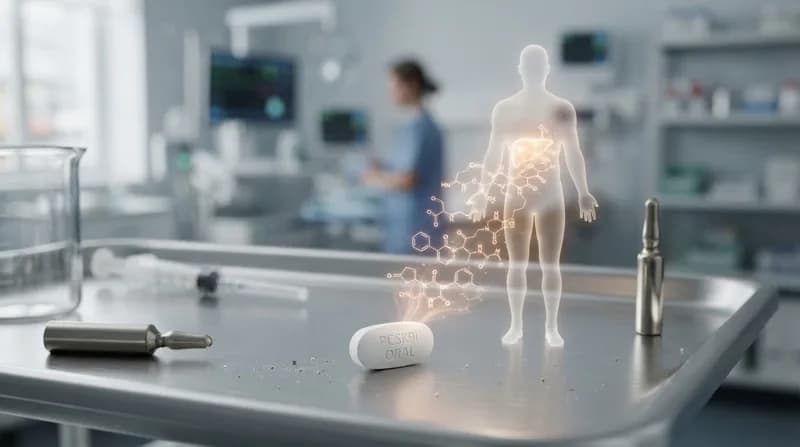
The landscape of cardiovascular medicine is undergoing a significant transformation with the introduction of Lipfendra, known pharmacologically as enlicitide. Recently approved by the FDA, this medication represents the first of its kind—an oral PCSK9 inhibitor. Historically, achieving deep reductions in low-density lipoprotein (LDL), or "bad" cholesterol, required injectable therapies. Lipfendra changes this dynamic by delivering the same potent therapeutic benefits in a convenient, once-daily pill, eliminating the needle-phobia and logistical hurdles associated with traditional biologics.
Researchers from the Binghamton University School of Pharmacy and Pharmaceutical Sciences recently published an in-depth analysis of enlicitide in the Annals of Pharmacotherapy. Their findings highlight the medication’s potential to drastically improve adherence for patients who find injectable regimens difficult to maintain. By enabling the liver to clear cholesterol from the bloodstream more efficiently, this new oral option provides a robust defense against cardiovascular risk factors.
Clinical Efficacy and Comparative Performance
The clinical data surrounding enlicitide is compelling, particularly for patients who are already managing their health with statins. In comparative studies, enlicitide consistently demonstrated a superior ability to lower LDL cholesterol levels. While existing oral treatments like bempedoic acid and ezetimibe provide modest results—approximately 6% and 28% reduction respectively—enlicitide boasts a staggering reduction rate of 57% to 65%. This performance effectively brings oral treatment options into the same tier of efficacy as the more complex, injectable PCSK9 inhibitors that have long been the gold standard for high-risk patients.
- Primary Efficacy: Delivers a 57% to 65% reduction in LDL cholesterol when used alongside statins.
- Administration: Once-daily oral dosage; requires intake on an empty stomach first thing in the morning.
- Dietary Guidelines: Patients must wait 30 minutes post-dose before consuming food or beverages other than water, black coffee, or plain tea.
- Tolerability: Generally well-received by patients, with minimal side effects such as occasional dizziness or mild diarrhea.
Context and Future Implications
For patients who struggle to hit their cholesterol targets despite rigorous adherence to statin therapy, Lipfendra offers a much-needed lifeline. Beyond its medical efficacy, the drug is positioned as a cost-effective alternative to injectable alternatives, priced at approximately $315 for a 30-day supply. This could significantly lower the barrier to entry for many patients previously priced out of high-potency cholesterol management.
While the initial clinical results regarding cholesterol reduction are landmark achievements, researchers remain focused on the next stage of long-term data collection. While the immediate reduction of LDL is clear, the scientific community is now looking toward large-scale studies to confirm that this drop in cholesterol directly translates to a reduced risk of major cardiac events, such as heart attacks and strokes. Nevertheless, the approval of enlicitide stands as a testament to the rapid evolution of oral pharmaceuticals in treating chronic metabolic conditions.