A New Frontier in Immunology
For over sixty years, the medical consensus has viewed allergic conditions—ranging from hay fever to severe food allergies—as primary failures of the immune system. The standard model suggests that our bodies mistakenly identify harmless substances as threats, triggering an inflammatory response that ultimately damages our protective barriers. However, a groundbreaking study led by researchers at Griffith University is challenging this long-held dogma, proposing that the immune response might actually be a secondary reaction to an earlier, deeper problem: a bioenergetic crisis within the cells themselves.
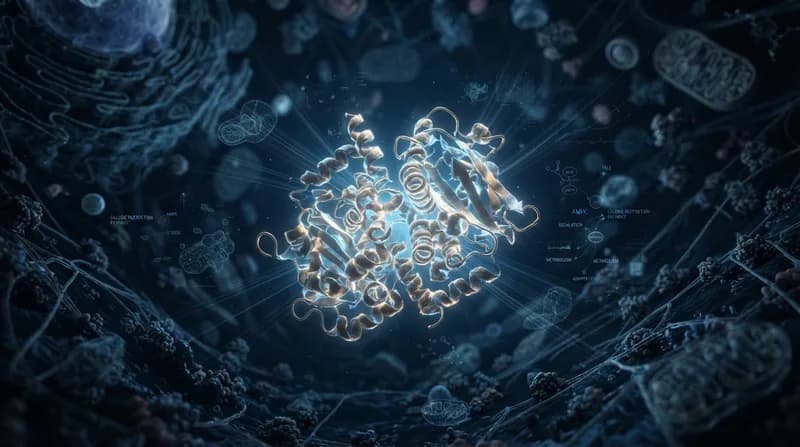
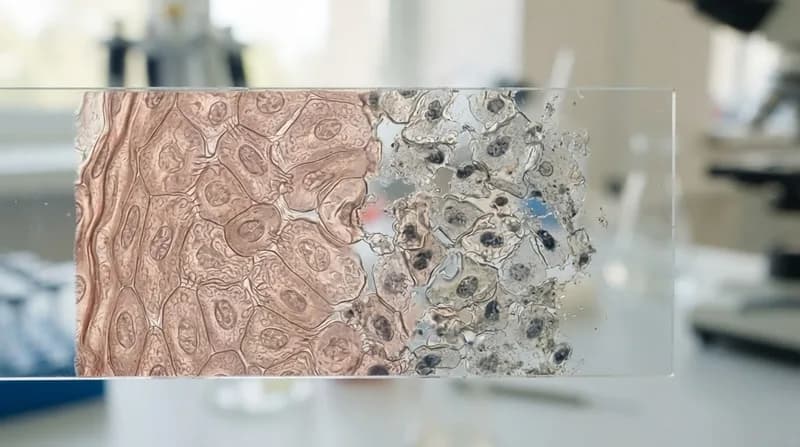
By analyzing a massive, multi-omic dataset encompassing thousands of patients, the research team posits that the root cause lies within the mitochondria of epithelial cells. These cells form the critical barrier surfaces in our skin, lungs, gut, nose, and esophagus. According to this new "outside-in" hypothesis, these cells suffer a metabolic power failure when they can no longer meet the energy demands of the modern environment. When these cells run low on energy, they become hyper-sensitive and initiate a distress signal that the immune system interprets as an allergic threat.
The Evidence of Cellular Stress
The researchers found compelling evidence of this mitochondrial dysfunction, particularly in patients suffering from eosinophilic esophagitis. In these cases, the body demonstrated a significant reduction in "mitophagy"—the essential biological process responsible for recycling and clearing away damaged, inefficient mitochondria. When this cleanup process falters, the cell is left with malfunctioning energy generators, severely handicapping its ability to maintain a robust barrier against environmental stressors like pollution, microplastics, and modern dietary additives.
Further investigation into patients with eczema revealed that even in areas of skin unaffected by active inflammation, the cells displayed compromised antioxidant defenses and structural abnormalities. This suggests that the cellular instability exists even before the visible signs of an allergy manifest, potentially explaining why allergic diseases are so persistent. Because current medical treatments typically target the downstream immune response, they fail to address this underlying energy deficiency, which explains why allergies often return once medication is discontinued.
Why It Matters
- Paradigm Shift: The research transitions the focus of allergy studies from the immune system to cellular bioenergetics.
- Treatment Potential: By identifying the "fire" (mitochondrial failure) rather than just the "smoke" (inflammation), scientists may eventually develop therapies that prevent allergies rather than just managing symptoms.
- Systemic Insight: This theory could finally provide a unified explanation for why conditions like asthma, eczema, and food allergies so frequently co-occur in children.
Future Directions and Implications
While the study provides a compelling, evidence-based hypothesis, the researchers remain cautious, noting that this is not an overnight cure. They emphasize that while they have identified a strong correlation, further studies—particularly longitudinal research tracking infants before the development of symptoms—are required to prove that mitochondrial failure is indeed the catalyst rather than a mere symptom of established disease. If confirmed, this research could pave the way for a new generation of preventative healthcare focused on optimizing cellular health to build resilient biological barriers from birth.