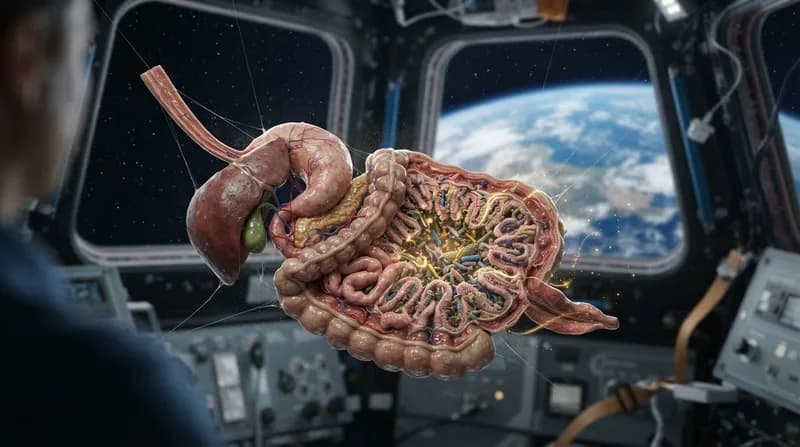
A breakthrough study from the National Taiwan University College of Medicine has revealed that the development of colorectal cancer is far more complex than simple genetic mutations. The research highlights how the gut microbiota—the trillions of microbes living within the intestinal environment—serves as a primary driver in the formation of adenocarcinomas.
The Role of the Microbiome
Colorectal cancers typically originate from epithelial cells located at the interface between the host and its resident microbes. While genetic factors remain significant, the study demonstrates that microbiota dysbiosis, or an imbalance in these microbial communities, can trigger intestinal cancer stemness. This process is essential for the initiation and progression of tumors.
New Therapeutic Horizons
The findings suggest a paradigm shift in how medical professionals approach oncology. By viewing the microbiome as a critical factor in cancer development, it opens the door for new therapeutic strategies. Managing the gut environment, in addition to addressing host genetic factors, is now seen as a promising target for the prevention and treatment of colon cancer.