Understanding PFAS Exposure
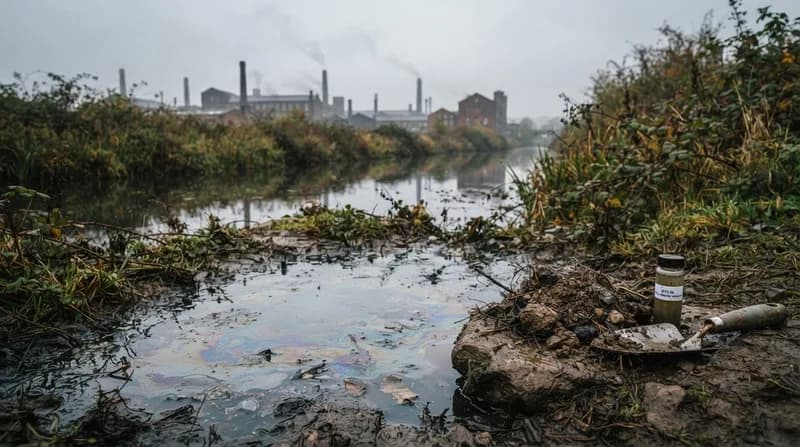
Recent blood analysis conducted on residents living near a chemical facility in Thornton-Cleveleys, Lancashire, has confirmed elevated concentrations of per- and polyfluoroalkyl substances (PFAS), widely known as 'forever chemicals.' While these findings are concerning, toxicologists note that the levels observed are consistent with other previously documented exposure zones, though they remain significantly higher than those found in the general population. The persistence of these synthetic compounds in the human body poses a unique challenge for public health authorities attempting to quantify long-term individual risk.
For decades, scientific consensus has identified strong correlations between significant PFAS exposure and adverse health markers. These include shifts in blood lipid profiles, specifically cholesterol levels, diminished immune system efficacy regarding childhood vaccinations, and lower birth weights in newborns. Furthermore, PFOA—the specific variant identified in the Lancashire findings—has been explicitly linked to elevated risks of kidney and testicular cancers. However, researchers emphasize that blood tests serve primarily as a monitor of exposure levels rather than a diagnostic tool for individual illness, as health risks for the general population are typically analyzed on a group-wide statistical basis rather than an individual prognosis.
Comparative Insights from Ronneby, Sweden
The situation in Lancashire draws parallels to the experience of Ronneby, Sweden, where in 2013, residents were exposed to high levels of PFAS through drinking water contaminated by firefighting foam. This event provided a critical longitudinal data set for researchers studying the duration and physical impact of chemical accumulation. The Swedish case was so significant that it eventually culminated in a landmark Supreme Court ruling, which legally recognized that marked, chronic elevation of these chemicals in the bloodstream—when correlated with documented health outcomes—constitutes a legitimate form of personal injury.
Beyond litigation, the Ronneby study has shed light on the mechanics of decontamination. While traditional methods have proven slow and expensive, experimental research into pharmaceutical interventions—specifically the use of cholesterol-regulating medications—has shown some promise in accelerating the excretion of these substances from the body. Despite this, experts warn that these treatments remain highly experimental and are not currently recommended for communities facing moderate exposure levels; the primary defense remains the immediate cessation of environmental exposure.
The Broader Environmental Crisis
The resilience of PFAS is their most defining and dangerous characteristic. Because these compounds do not naturally break down, they migrate through soil and integrate into water systems, potentially circulating for decades. Remediation is a financial and logistical burden of massive proportions; industry estimates suggest that the European Union alone faces costs exceeding €1 trillion by 2050 to treat existing water supplies.
Why it Matters
- Persistence: Unlike many industrial pollutants, PFAS are virtually indestructible, leading to long-term bioaccumulation.
- Regulatory Shifts: Authorities are moving away from regulating individual chemicals toward group-based restrictions to prevent the "whack-a-mole" effect of companies switching to untested chemical alternatives.
- Accountability: The focus is shifting from reactive medical observation to proactive legal and environmental accountability for manufacturers.
As the scientific community continues to refine its understanding of these chemicals, the consensus remains that regulatory bodies must prioritize the prevention of further emissions. The lesson from both Swedish and British case studies is clear: waiting for perfect longitudinal data before acting often results in a permanent legacy of pollution that far outlasts the scientific debate.