A Milestone for German Automotive Innovation
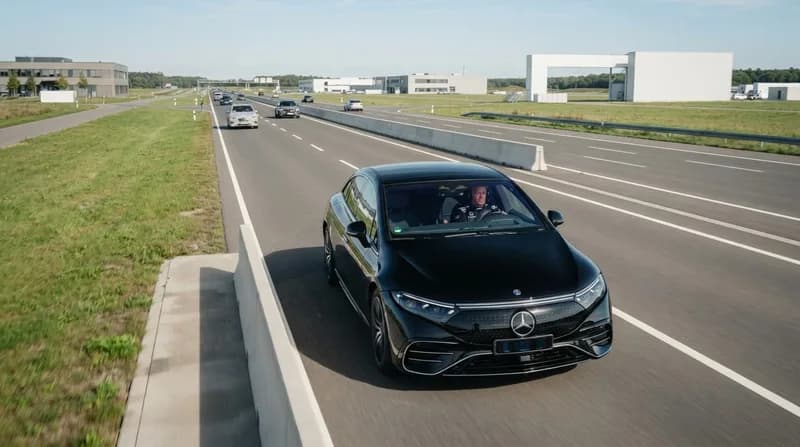
Mercedes-Benz is setting a new benchmark in automotive technology as the first manufacturer in Germany to secure official approval for a point-to-point driving assistant. The German Federal Motor Transport Authority (KBA) has granted approval for the company’s new MB.Drive Assist Pro system, which operates under the international UN Regulation R171. This regulatory breakthrough marks a significant shift, enabling automated driving functions that span complex urban intersections, rural routes, and highways under a unified SAE Level 2 classification.
The system is engineered to handle the nuances of daily driving. With active navigation enabled, MB.Drive Assist Pro can autonomously execute lane changes, position the vehicle for turns, navigate through intersections, and manage the stop-and-go demands of traffic lights. By integrating highway merging and exit capabilities, the system aims to provide a continuous, low-stress driving experience from the moment a driver pulls out of their driveway until they reach their final destination.
Hardware and Technical Foundation
The intelligence driving this assistance suite is supported by a robust sensor array and high-performance computing power. The vehicle is outfitted with a total of 27 sensors, comprising ten cameras, five radar units, and twelve ultrasonic sensors. These inputs are fed into a dedicated high-performance computer capable of processing data at up to 254 TOPS (Tera Operations Per Second). This massive computational throughput ensures the vehicle can perceive and react to its surroundings in real-time, even in dense urban environments.
A notable feature of MB.Drive Assist Pro is its commitment to driver agency. Unlike many systems that force an immediate deactivation if the driver nudges the steering wheel, Mercedes has designed this software to allow for manual steering interventions without cutting off the assistance. This provides a more intuitive, collaborative relationship between the human driver and the machine.
The "Hands-Off, Eyes-On" Reality
It is essential to clarify that while MB.Drive Assist Pro offers advanced automation, it remains firmly within the SAE Level 2 "hands-off, eyes-on" category. This distinction is critical: the driver is permitted to remove their hands from the steering wheel, but they are legally and technically required to monitor traffic conditions constantly and remain prepared to take control at a moment’s notice. It is not an autonomous driving system, and it differs significantly from the company’s existing Level 3 Drive Pilot, which allows for temporary disengagement from the driving task under specific, limited highway conditions.
Why It Matters
- Regulatory Evolution: The approval follows UN Regulation R171, creating a harmonized path for DCAS (Driver Control Assistance Systems) to function across complex driving scenarios, not just highways.
- Broad Utility: Unlike previous iterations that were restricted to high-speed motorways, this technology is designed to tackle the unpredictability of city streets and rural roads.
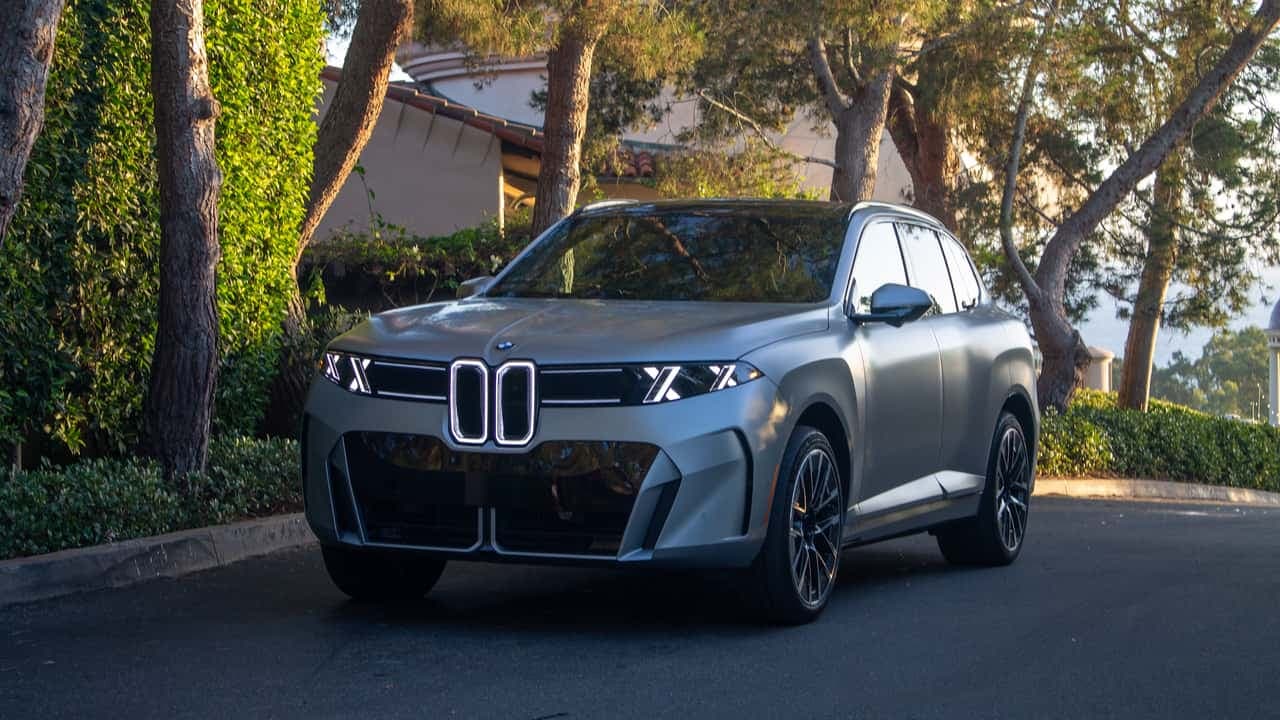
- Competitive Landscape: Mercedes is currently outpacing rivals like BMW, which plans for similar urban navigation features in 2027, and remains in a regulatory tug-of-war with competitors like Tesla over European market access.
Path to Market
The commercial rollout of MB.Drive Assist Pro is set to begin with an early-access program in the German cities of Stuttgart and Munich starting in December 2026. A broader market launch is expected to follow in the first half of 2027. Mercedes has indicated that the software will be capable of arriving via over-the-air (OTA) updates, potentially enabling existing vehicles with the required hardware suite to gain these new functionalities without a trip to the dealership. While specific model compatibility has yet to be fully disclosed, industry expectations point to the next-generation electric CLA as a likely candidate for the system's debut.