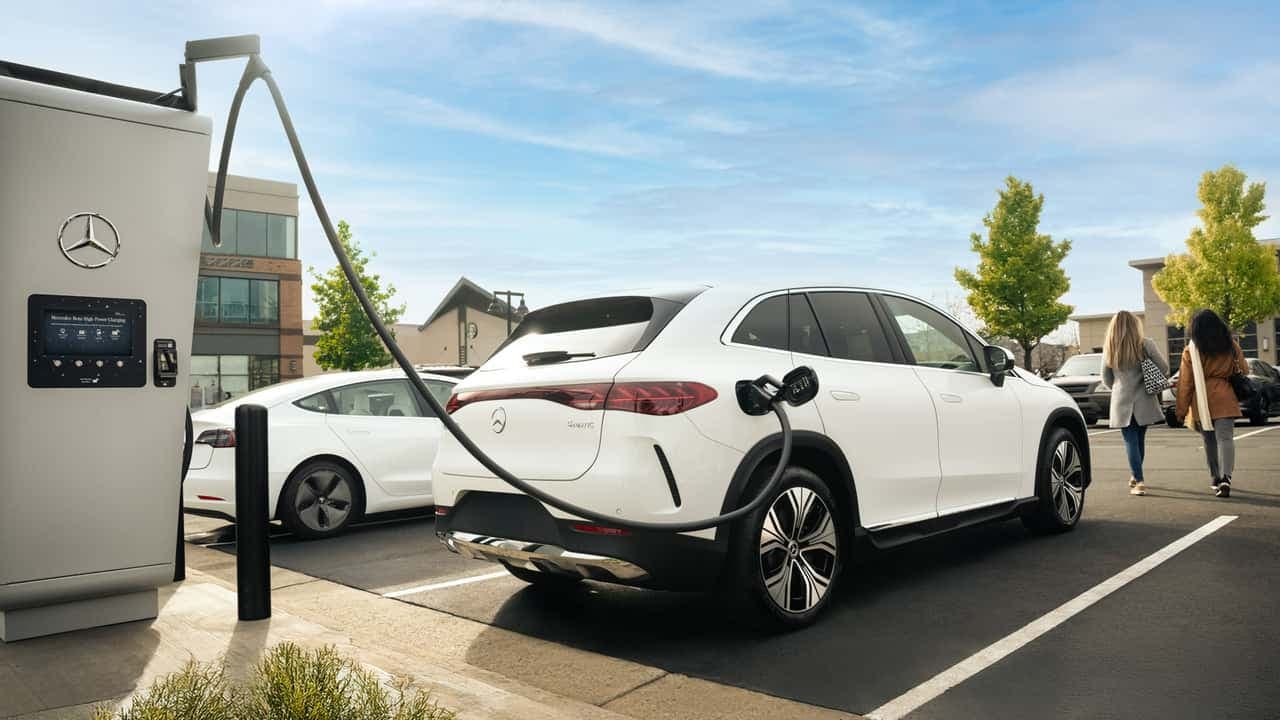
A Milestone for North American Charging
Mercedes-Benz is marking a significant anniversary in the automotive landscape, celebrating three years of its high-powered charging initiative in North America. Since its inception in late 2023, the Mercedes-Benz High-Power Charging (MB HPC) network has expanded rapidly, growing from a handful of pilot sites to a robust infrastructure of 100 locations across 28 U.S. states and British Columbia. This milestone represents nearly 1,000 individual charging ports, providing a critical boost to the continent’s electric vehicle charging landscape.
While many automakers are navigating the complexities of public charging, Mercedes-Benz has focused heavily on reliability and user experience. The network has processed over one million charging sessions, demonstrating both the growing demand for fast, reliable power and the efficacy of the company’s deployment strategy. By placing these hubs in proximity to premium shopping centers and high-traffic areas, the brand is targeting the lifestyle needs of modern EV owners.
Technical Prowess and Reliability
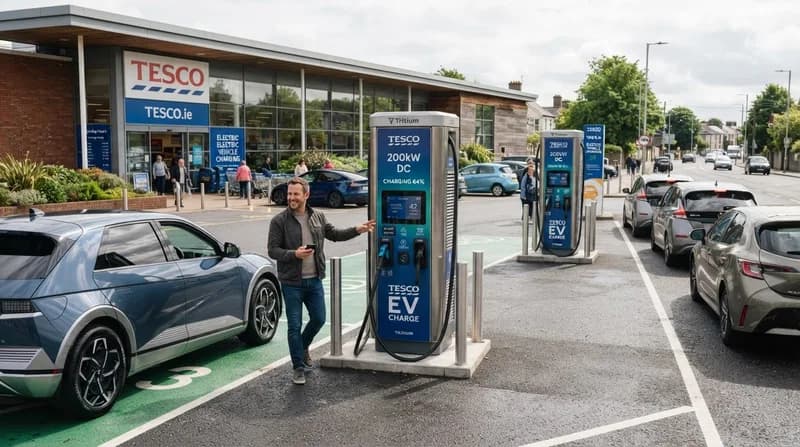
At the heart of the network are ultra-fast 400-kilowatt dispensers, largely sourced from industry-leading manufacturer Alpitronic. These stations are designed to offer future-proof performance, capable of delivering power far beyond what most current EVs can accept, ensuring that the infrastructure will remain relevant as battery technology evolves. One of the most significant metrics for the network has been its "first-time success rate." Having risen from 84% in 2023 to over 90% today, this metric serves as the company's primary internal benchmark for operational excellence.
Compatibility remains a top priority for the automaker's expansion. The vast majority of the network is dual-standard, supporting both CCS and NACS connectors to accommodate the diverse range of vehicles currently on the road. Only 7% of the total network sites are currently restricted to CCS, reflecting a clear commitment to supporting the industry-wide shift toward Tesla-style NACS inlets as the dominant North American standard.
Why It Matters: The Reliability Differentiator
- Operational Uptime: Maintaining near-perfect uptime has been the cornerstone of the network's reputation, addressing the "charger anxiety" that often plagues public charging infrastructure.
- Seamless Payments: Beyond standard credit card readers, the network supports Plug & Charge technology, reducing the friction typically associated with initiating a session.
- Strategic Sizing: Locations range from intimate four-stall setups in more rural or suburban areas like Red Bluff, California, to massive 20-stall hubs in high-demand regions like Orlando, Florida.
- Cost Transparency: Pricing is set between $0.35 and $0.60 per kilowatt-hour, with a temporary pre-authorization hold to ensure fund availability, providing a straightforward financial experience for drivers.
As the network enters its fourth year under the leadership of newly appointed CEO Madeline Ebert, the focus remains on scaling while maintaining the high standards that have come to define the brand's charging experience. By combining extreme power outputs with high-touch maintenance, Mercedes-Benz is positioning its charging infrastructure as a premium utility that complements the luxury experience of its vehicle lineup.